Delightful damselflies

BTO
Partner organisation of the Watches
Special guest post by Andy Musgrove, BTO Associate Director of Information Systems.
Damsels in the garden
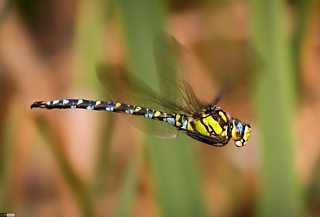
Birdwatchers love to see something new, but after a while new birds can be harder to come by and, as a result, some of us develop wider tastes. One group that has long attracted the attention of birders is the Odonata – better known as the dragonflies and their smaller cousins, the damselflies. As with most insects, the highest diversity is in mid-summer but as the days lengthen, the species count drops. However, in October and even later in milder years, Common Darters, Migrant Hawkers and Southern Hawkers can still catch the eye as a flash of colour in the fading countryside.
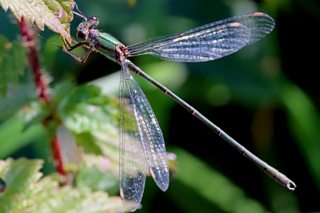
Willow Emerald Damselfly. Photo credit: Ken Bentley
The damselflies are daintier insects and have mostly disappeared by autumn. But this is a good time of year to look for one of our most recent colonists: the Willow Emerald Damselfly. Previously a very rare visitor, the species appeared in numbers in 2009 in Suffolk, and has since spread widely throughout East Anglia, now occurring west to the Cambridgeshire fens and beyond. Willow Emeralds are largely metallic green with a diagnostic dagger-shaped mark on the side of the thorax. They are easy to overlook but careful observation may reveal them around trees and bushes along the edges of waterbodies, or sometimes even well away from water (I’ve seen them twice in my pond-free garden south of Norwich). Notably, this is the only species that lays its eggs into live wood, generally small twigs above the water. Nature reserves such as Minsmere, Strumpshaw Fen and Titchwell are all good sites to look out for them, but really any shrubby waterside vegetation in eastern England might produce sightings, mostly from August to October.
Credit: neiljamesbrain
If you’re a birdwatcher who has strayed, you can submit your damselfly records via BirdTrack and they can then be made available to the British Dragonfly Society and others.
