RSPB Big Garden Birdwatch 2017

Jamie Wyver
RSPB
Over the last weekend of January an extraordinary wildlife phenomenon occurs across Britain. More than half a million human beings settle down beside their windows, many armed with a cup of tea, a pencil and notebook, and perhaps a pair of binoculars. These individuals will remain poised in their seats for exactly one hour, eyes trained on the slightest feathery movement in their gardens.
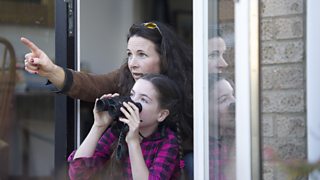
For 38 years the RSPB’s Big Garden Birdwatch has been encouraging people to really focus on their avian neighbours, and more recently some of their other wild visitors too. The event has become a British institution, an important mark on the calendar where we promise ourselves we’ll spend sixty minutes with nature.
Many of us would normally lack the time or self discipline to sit for that length of time just looking at one patch of land. So that one hour spent studying our gardens is a rare chance to get to know your local wildlife. You might, for example, start to see your familiar garden birds in a new light. Which are the early birds, first to arrive when you top up your bird table? Who are the backyard bullies who chase the others away?
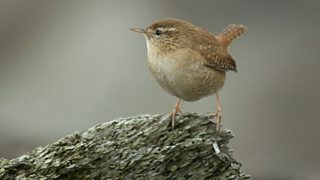
While some species will happily congregate around the bird feeders there will be others who skulk around the edges of your garden, under hedges and in the leaf litter. Keep an eye out for the dunnocks and wrens who might be working their way round the outskirts of your garden, picking through the leaves and twigs where they can find spiders and other small invertebrates.
As well as the birds you might encounter all year round there may be some seasonal visitors too. Many blackbirds from colder parts of Europe will spend the winter in the UK, so the blackbird you see during the Big Garden Birdwatch may not be the one that nested in your hedge last year.
Two other members of the thrush family will also turn up in gardens towards the end of winter: fieldfares and redwings. Often travelling in mixed flocks, these birds will have already stripped trees and bushes of their fruit in the countryside. Hunger will now bring them closer to people, and if you don’t have a supply of berries growing outdoors (something to think about for next year!) you could tempt them with some old apples and pears.
It’s been a “Waxwing Winter”, with thousands of these exotic looking, starling-sized birds arriving from the east. Waxwings are known as an “irruptive” species: in years when there are more of them than their local berry crop can feed, they flock across Europe in search of food. They’re particularly partial to rowan berries, and are also fairly relaxed around people. For these reasons waxwings can often be seen in urban areas, for example in supermarket car parks which are often planted with trees like rowans. Will you be lucky enough to have a visit from a waxwing during your Big Garden Birdwatch hour?
We are also asking for sightings of other garden wildlife this year. So when you let us have your results, we’ll be asking whether you’ve seen grass snakes, hedgehogs, stag beetles, stoats or moles in your garden during the past year. Along with our partners the People’s Trust for Endangered Species, The Mammal Society and Amphibian and Reptile Conservation, we’d like to find out how these animals are faring.
This year, we’re extending the Big Garden Birdwatch over three days so that even more people will have the opportunity to take part. You can register online here: rspb.org.uk/birdwatch
And if you have school-aged children, or you work at a school, there’s another way you can help youngsters spend an hour with nature. The RSPB Big Schools Birdwatch runs until 17 February – find out how your school can take part.
Of course, an hour of nature isn’t enough! Maybe we should all start marking more time in our calendars throughout the year to watch and enjoy the wildlife around us?
