
The RSPB is calling on the public to help record where swifts are nesting to help us understand where the best places are to help these amazing birds.
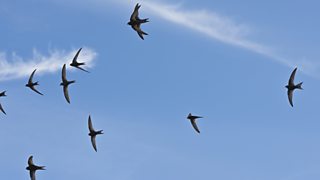
Swifts fly to the UK each spring to breed – Ben Andrew RSPB Images
Every year swifts make incredible journeys from Africa to the UK to nest in gaps in roof tiles and the eaves of our homes and other buildings.
They are one of the most awesome birds we see in the UK – from their swooping speedy acrobatics to their aerial stamina, flying thousands of miles without ever touching land. They are also the fastest level flyers, recording speeds of up to 70mph. Simply astonishing!
But the sad fact is that we are seeing less and less of them and their numbers are declining at an alarming rate, falling by more than half in the last 25 years.
We’re still looking into why this is happening, but loss of nest sites is certainly a factor. They return to the same spot each year to breed in gaps under roof tiles and eaves but the way we build homes has changed and they’re returning to find their nest site has gone or been blocked.
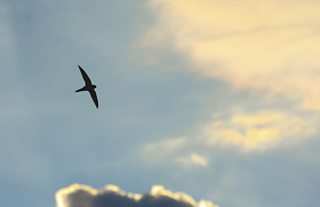
Swifts are amazing flyers both in terms of speed and stamina Ben Andrew RSPB Images
Download the new app
But there’s lots of ways we can helps swifts. One way is to use Swift Mapper.
Together with our partners Action for Swifts, Natural Apptitude, Swift Conservation and the Swifts Local Network we’ve developed Swift Mapper; a web-based mapping system with mobile app for iPhones and android smartphones.
By reporting where you see nesting swifts on Swift Mapper you’ll help to build a picture of where swift nest sites need to be protected and where it would be best to provide new nest sites.
What to look for
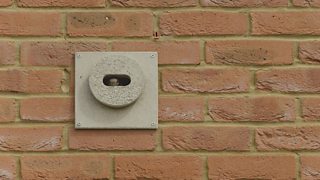
Watch out for groups of swifts flying fast at roof height, often calling out loudly – this means they’re breeding nearby. Swifts nest in crevices, so we’d also like to know if you see swifts entering holes in buildings – usually high up under the eaves.
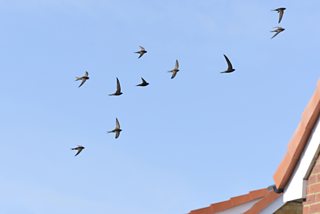
A number of swifts flying noisily near homes – known as screaming parties – can indicate they’re nesting nearby. Ben Andrew RSPB Images
The best time to look for nesting swifts is from late May to late July, around dusk on a warm, still evening or early in the morning.
RSPB’s Guy Anderson, the UK migrants recovery programme manager said: “Swifts are true globetrotters, flying thousands of miles, but returning each year to nest in the same eaves of our homes.
“Just look at that Swift - back to its nest in your house, or local church tower, or old factory building – and think about it for a moment. It weighs about the same as a small chocolate bar. But it spent the winter in the skies over central Africa. Maybe over the Congo basin rainforest? Maybe over Malawi or Mozambique? It likely hasn’t stopped flying since it left its nest site last year.
“But they need our help.
“You don’t need to have a garden or even leave your house -simply by watching the skies from your living room window in the evening or over an early morning cup of tea, you can help us learn more and protect swifts’ future.”
Where the data goes
The app is designed to chart nesting swifts only – please don’t register birds you just see flying high or feeding over fields as these may not be local breeding birds. Please use BirdTrack instead to record these sightings.
Once registered, the data from the Swift Mapper app is freely available to be used by anyone who needs it, from developers to local authority planners and conservation groups.
You can use the RSPB bird identifier if you’re not sure if you’ve seen a swift – they can get confused with swallows and house martins.
Other ways you can help swifts includes putting up a swift box, encouraging your local council to work with developers to include swift bricks in new-build homes or even by making your garden more wildlife friendly. Swifts are insect-eaters so getting our green spaces buzzing all helps!
