
By Kate Risely, Garden BirdWatch Organiser
Every week, thousands of people note down the birds in their garden for BTO’s year-round Garden BirdWatch survey (GBW). The survey has been running for 25 years, and monitors how birds are using our gardens, collecting detailed, long-term information designed to help us improve how we manage our towns and gardens for wildlife. During our current period of travel restrictions, many more people have started paying attention to their garden birds, and over 7,000 people have started recording for GBW. But what should they be looking out for, and how is the average garden bird list different to the start of the survey, 25 years ago?
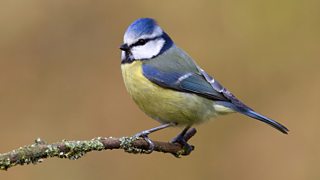
Image by Liz Cutting
What are the most common garden birds?
The garden bird that is found on nearly every list, every week of the year, is the Blue Tit; these were the most regularly-recorded birds back in 1995 as well as today. They are adaptable, widespread and well-loved, and appear to be a permanent fixture in our gardens. The second most regularly-recorded species is now Woodpigeon, which was only the 12th most frequently-seen species back at the start of the survey. GBW has charted the move of Woodpigeons into gardens over the last quarter century, thought to be a reflection of increases in their numbers in farmland, driven by the introduction of winter-sown cereals. In 1995 the second most common bird in gardens was the familiar Blackbird, which is still just as much of a fixture, but now pushed into third place by the rise of Woodpigeons.
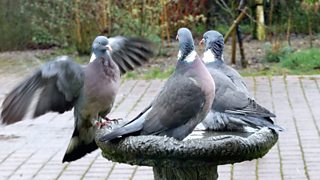
Image by Josie Latus
What big increases have we seen?
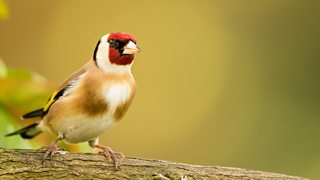
One of the biggest changes we have seen is the increase in colourful, recognisable Goldfinches: they were only the 20th most commonly-recorded bird back in 1995, but their numbers have been increasing dramatically, and they are now the eighth most frequently-seen species. With their striking black, yellow and red colours they are an exciting sight when they first visit a new garden. It’s likely that their increase is due to more people putting out their favourite foods, which are seeds such as sunflower hearts. The amount and type of bird food we put in our gardens has changed a lot since the mid 20th century, and BTO is using GBW records to investigate the effects these changes are having on bird populations.
Another species that Garden BirdWatchers should look out for, that would have been rare back in 1995, is the Nuthatch. Once mainly woodland birds of southern areas, Nuthatches have increased rapidly across the UK since the 1970s, and now often make use of peanut feeders in gardens. It’s thought that this increase has been driven by warmer winters, and there is also some evidence that their numbers are linked to over-winter food supplies, so it’s possible that garden bird food has helped fuel their population increase.
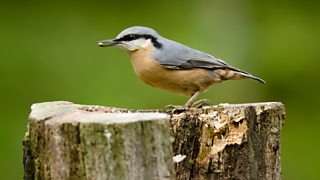
Image by Richard Jackson
What birds have we lost from gardens?
One bird that is now much rarer on garden feeders is Greenfinch, which have been in severe decline since the outbreak of the disease finch trichomonosis in 2005. Greenfinches were the 8th most common species at bird feeders back in 1995, but are now down at number 15. This decline has led to BTO’s increased emphasis on the importance of hygiene and awareness of disease when feeding garden birds.
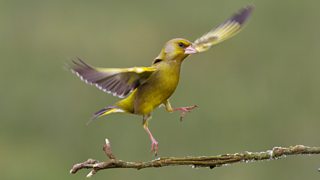
Image by Edmund Fellowes
At the start of the survey the third most common species was House Sparrow, after Blue Tit and Blackbird, but House Sparrows are now down in 7th place; still a common bird, but it’s perhaps surprising that Garden BirdWatchers are now just as likely to see Goldfinches as House Sparrows.
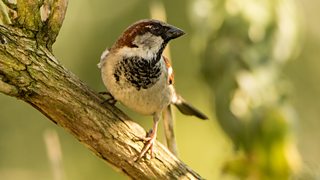
Image by Tom Streeter
Why monitor garden birds?
BTO Garden BirdWatch isn’t just about monitoring long term change; it helps us understand how we can provide suitable habitat for birds and garden wildlife nationally, and it helps us individually learn more about the habits and needs of the wildlife visiting our gardens. If you’ve been watching the birds in your garden, how has your garden bird community changed between seasons, and even years?
