Blog posts by year and monthDecember 2015
Posts (10)
Language technology innovation: reversioning international videos with virtual voice-overs

We have launched an online pilot service that offers continuous video play in different languages to our global audiences and we are trying out the latest language technology: machine translation and computer-generated voices.
Distributing digital media: How we improved throughput by 4x
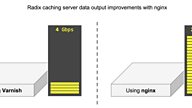
This post investigates why internal Varnish architecture limited a caching server to 4 Gbps, and why replacing Varnish with nginx increased output to 20 Gbps.
Notifications feature brings personalised alerts to BBC Online
Notifications are both convenient and personalised to you, working as a quick and easy way to be alerted to content you enjoy. Clicking on the bell displays your personal Notifications hub - a list of all your notifications, with each providing a direct link to the relevant content.
BBC iPlayer update: Apple TV, better video quality and beta mode on TV
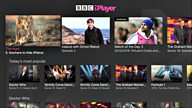
I last provided an update on the development of BBC iPlayer on TV on this blog back in May and I wanted to provide an update on what we’ve been working on since then, including news on Apple TV, live restart and better video quality.
BBC Sport launches beta versions of new homepages
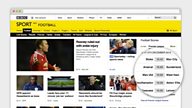
Beta versions of the new BBC Sport, Football and national sport homepages have been released. The versions are responsive to the different devices users visit the sites on. New features include a layout that utilizes wider screens and football score tables accessible on all platforms.
New BBC Digital Design Research Roster: Call for entries

We want to build strong and productive long term relationships with agencies of all sizes, capabilities and research specialisms to support our user experience and design processes. We are therefore excited to be able to offer the chance to join our BBC Digital Design Research roster.
BBC Food: A website redesign with all screens in mind
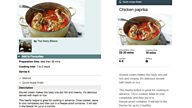
More people are now visiting the BBC Food website on a handheld device than on a desktop or laptop computer. In response to this new trend, BBC Food has decided to redesign their website to be more mobile friendly and provide the ability to access all content, no matter what the screen.
Encouraging diversity: BBC People with Disabilities in Tech Event

The Diversity team run regular events aimed particularly at those who have tech skills, qualifications or experience and whom also have a disability, in order to help attract more disabled talent to roles in BBC Digital.
Introducing trailers on BBC iPlayer: Find more of what you like on the BBC
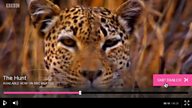
Over the last 12 months, we’ve made trailers available on BBC iPlayer for some of the highlights coming up. From the new series of Sherlock to our Pure Drama trailer staring the incredible Suranne Jones, these have been really popular with the top trailer attracting nearly a million requests.
BBC Digital and the UN International Day of People with Disabilities

Many people living with disabilities want to lead a “normal life”, including working for a living. A person with a disability is more likely to be hired now than in 2002, but social stigmatisation still exists and they still have challenges within the workplace.
