Twenty numbers every journalist should know

Charles Miller
edits this blog. Twitter: @chblm
A new College of Journalism course on stats recommends that, although it’s easy to find figures online, journalists should know a few by heart.
The idea isn’t that you won’t check facts when you use them, but rather that some key numbers in your head can serve as reference points for new information you come across, giving you a sense of scale against which to measure it.
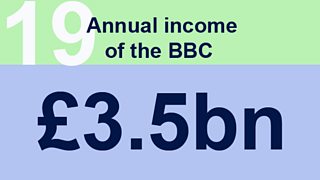
So, how to assess the £3bn paid for the TV rights for three years of the Premier League? Well, it's in the same ballpark as the BBC's annual budget of £3.5bn.
Perhaps more importantly, the right key figure can help you to spot when something is likely to be wrong.
Of course, which figures you should know depends on the field you cover.
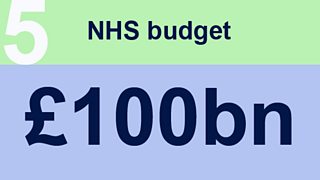
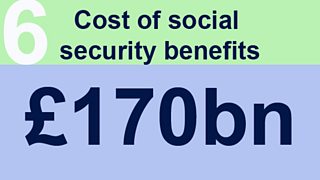
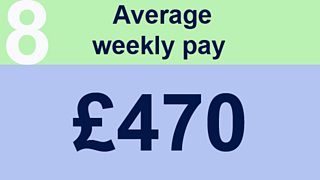
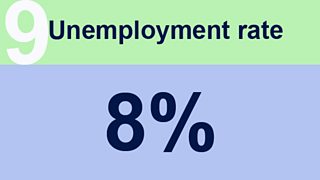
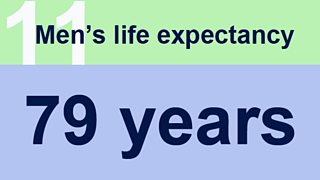
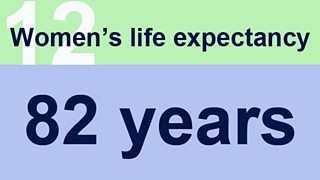
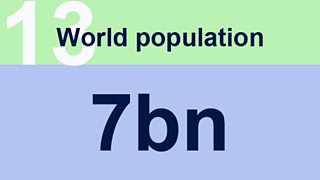
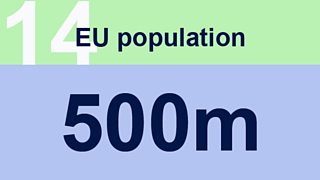
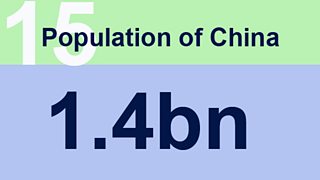
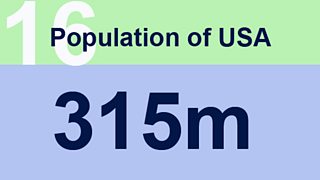
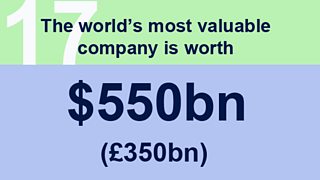
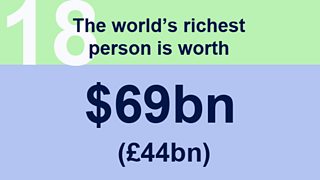
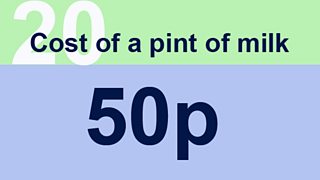
For what it’s worth here’s my list. To be useful, the numbers have to be simple: you don’t need what comes after the decimal point. But I’ve also given the sources and the exact numbers for completion:
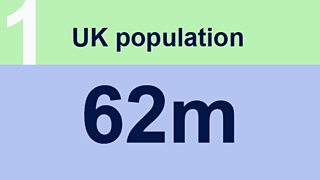
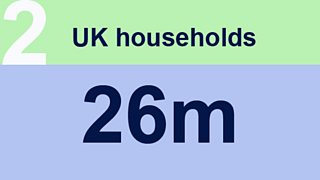
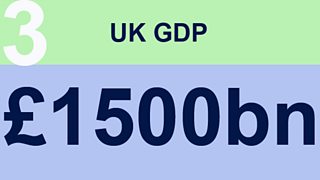
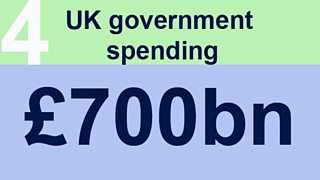


I have not included, but you may want to:
- The area of Wales (always a popular journalistic metric for ‘very big’)
- The amount of water in x number of Olympic swimming pools
- The height of x double-decker buses
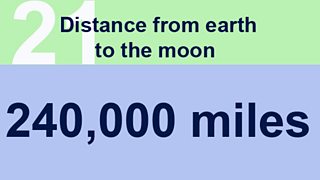
- The distance from the earth to the moon.
Oh, what the heck… why not?
More like this
Reporting big numbers: College of Journalism film with Robert Peston, Stephanie Flanders and others.
More or Less: Radio 4 programme with Tim Harford, looking at numbers and statistics.
Making Sense of Statistics (BBC staff only): the College of Journalism course mentioned above.
