Inaccuracy can do more harm than intrusion in ‘death knock’ reporting

Sallyanne Duncan and Jackie Newton
are journalism programme director at the University of Strathclyde and senior journalism lecturer at Liverpool John Moores University
Journalists-turned-academics Sallyanne Duncan and Jackie Newton have spent many years researching the reporting of death and bereavement. Here they offer advice on interviewing people who are grieving:
But let us tell you another story - one just as poignant and troubling for journalists. It involves a family who lost their son in tragic circumstances and were expecting the media to contact them so they could make an appeal for witnesses. Nobody called.
Or the bereaved father whose son’s horrific murder has been in the news for several years: “I’ve had to ring up journalists to tell them my side of the story. Why didn’t they contact me? Even if I’d had nothing to say it would give me some warning that a story was going to appear. Better that than hearing it on the radio or picking up a paper and being confronted with it…”
One reason for this lack of contact might be the fear factor. Interviewing the bereaved is recognised by journalists as one of the worst parts of the job. They worry about upsetting relatives and causing harm through their contact. There are many ways to cause harm to people already suffering the most appalling loss and sorrow. Yes, intruding on their grief is the most obvious, but neglect, inaccuracy and insensitive reporting are also important.
Our research into the reporting of death has included interviews with dozens of bereaved families, along with journalists from all media and journalism academics. The good news from these interviews is that sensitively reported stories can be beneficial to all concerned. If we can’t always have a positive effect there are at least ways to alleviate harm.
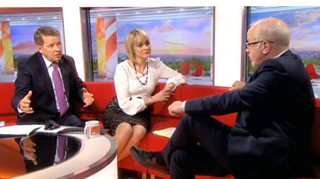
Here’s an example. When BBC Breakfast (pictured) revisited the Warrington bombing 20 years on, many of the ethical issues involved in speaking to the bereaved were handled with respect and compassion - two key components in reporting the bereaved.
A studio interview with Colin Parry who lost his 12-year-old son in the bombing opened with an invitation to him to talk about Tim and their family life which succeeded in acknowledging his loss and memories. The biographical model of bereavement that was first developed by Tony Walter and taken up in bereavement counselling would suggest this is a respectful and helpful approach.
Colin Parry went on to describe how he lay with Tim as he died - a description that was harrowing for those hearing it for the first time but an important part of the tragedy for the family. BBC Editorial Guidelines acknowledge that bereaved relatives may be more comfortable with distressing facts and scenes than the audience and urge journalists not to self-censor.
Of course we can plan for a 20th anniversary and get things right. Is it so easy at the time of death with the pressures of rolling news? Kay Burley found herself in a difficult ethical place when she stumbled into informing an interviewee on camera of the probable death of April Jones, the five-year-old girl who went missing from her home in Machynlleth. The Sky News presenter then asked the interviewee for a reaction using the most dreaded question when reporting death: “How are you feeling?” It seems even experienced broadcasters can be wrong-footed by tragedy.
Instead, our research suggests two dominant approaches. Firstly, assess the potential harm that could be caused by your reporting. Secondly, be honest with your interviewee about what you want, what your report could achieve, and that you don’t make all the editorial decisions about the story.
Despite worries about intrusion we found bereaved families were much more likely to complain about inaccuracy. Many of the interviewees suggested that even the tiniest error in reporting can be perceived by the family as a lack of respect for their loved one. It’s basic advice but check facts with them before you leave.
Other points worth considering:
- By agreeing to be interviewed the family give tacit consent to a story about their loved one, but treat them with respect and dignity
- Everyone grieves differently so outward appearances can mislead. Also, they might find it difficult to understand what has happened so you need to be patient with them
- Try not to suggest that you understand their situation because you’ve been bereaved and avoid using clichéd phrases such as ‘time is a great healer’ in an attempt to connect with them
- Seek consent from the family if you’re going to use material from social media or a website, especially pictures - even if they’re already in the public domain. This avoids the shock of them finding your use of it for themselves. (The BBC offers its journalists specific guidance)
- Be a good listener and respond to their answers rather than prioritising your own list of questions
- If your interviewee becomes emotional during the interview ask them if they want to stop
- It’s important to see your association through to the end, so if possible keep them informed of when their story is likely to be published or broadcast.
Sudden, traumatic bereavement makes people more vulnerable, but not incapable. Most of the bereaved we interviewed wanted journalists to understand that the ‘story’ belongs to them, not to reporters, and that to exclude them from coverage was arguably an act of arrogance - even if they did seem too distressed to speak.
The message from the many people we’ve spoken to is simple: you should do your job but do it accurately and sensitively, always asking yourself the question: ‘What if this was a member of my family?’
Revised NUJ guidelines on the reporting of suicide and mental health are expected to be published this summer.
Other published research by Sallyanne Duncan and Jackie Newton
The phone hacking scandal: why ‘death knocks’ are appreciated by the bereaved
Sensitivity is the key to interviewing the recently bereaved
BBC Editorial Guidelines: reporting death, suffering and distress
Press Complaints Commission briefing on the reporting of suicide
