Journalists in danger: Threats, torture and censorship in Pakistan

Aamer Ahmed Khan
is West and Central Asia editor, BBC Global News
An upcoming conference on the safety of journalists aims to spotlight anti-media violence and the impunity of perpetrators in countries including Egypt, Brazil, Pakistan and Turkey.
Making the Protection of Journalists a Reality: Time to end Impunity will examine improved safety practices, but also explore ways to secure the co-operation of governments in regions where journalists are in danger.
The one-day symposium in London’s BBC Broadcasting House on 7 April is a collaboration between BBC Global News, the Centre for Freedom of the Media (CFOM) and the College of Journalism. It will bring together UK and foreign editors and broadcasters, international diplomatic and legal figures and representatives of NGOs.
In the first of our blog posts in the run up to the conference, Aamer Ahmed Khan assesses the specific threats to journalists in Pakistan:
While going through a period of extremely rapid growth over the past 15 years, Pakistani journalism has found itself getting increasingly hemmed in by three major factors:
The Pakistani state
As is the case with every security state, Pakistan has undeclared no-go areas that it guards jealously against any enquiry, especially from the media. These include: the country’s nuclear weapons programme; its support to India-focused and in particular Kashmir-focused militant groups; factions of Taliban that are perceived to be pro-Pakistan; and the insurgency in Balochistan.
In the past, we have seen reporters covering these areas being harassed, beaten up by intelligence officials, held in arbitrary and undeclared detention, and in some cases even being driven out of the country, either temporarily or permanently. In most such cases journalists are reluctant to go public with their ordeals for fear of reprisals, but confide to their friends about having been forced to write suicide notes while in detention.
Every time a journalist is picked up by the state the government denies any knowledge of it. Even in extreme cases such as that of Saleem Shahzad - widely believed to have been tortured to death following his reports on al-Qaeda’s possible ingress into the military - nothing comes of the investigations promised by the government.
Political groups and non-state actors
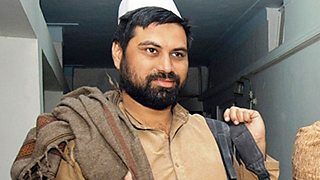
Pakistani journalist Saleem Shahzad is believed to have been tortured to death
Adding to these fringe groups are a whole array of religious militant outfits that operate with complete impunity across the country. The most glaring example of this is the recent widely circulated editorial advice given by the editor of the formerly liberal Express Tribune in which he is clearly directing all its journalists to say nothing critical of these militant groups and to report their points of view in full.
Poor training, no protection
There is hardly any Pakistani journalist who can or will credibly argue that their employers provide them with the training and tools that would help them stay safe in this environment. ‘Our cameras are insured but we aren’t,’ is the most common refrain you hear from TV journalists across the country. Driven by competitive pressures, these journalists often find themselves in life-threatening situations with no guidance from their employers on their personal safety and the security concerns they have.
I personally know of people who have suffered in all the ways I’ve described, but I cannot name them individually as they would not want to risk such exposure.
Aamer Ahmed Khan is also editor of the BBC Urdu Service.
Reporting: Foreign assignments
Jailing of al-Jazeera journalists in Egypt highlights need for new defences
Global media to monitor a UN plan to protect journalists from assassination
Other blogs by William Horsley, CFOM international director
London symposium on the safety of journalists - video
Iranian journalists face growing threat of imprisonment in pre-election crackdown
Unprepared, inexperienced and in a war zone
Journalist safety: Getting away with murder
How BBC Urdu got the inside story on emergency rule in Pakistan
