Channel 4 turns superhumans into superstars

Stuart Hughes
is a BBC World Affairs producer. Twitter: @stuartdhughes
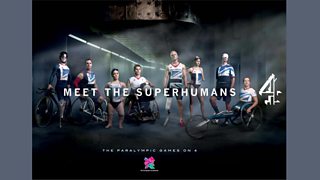
On 17 July, at 9pm, Channel 4 unveiled its Paralympic trailer, "Meet the Superhumans", simultaneously across 78 different UK TV channels - a tactic known in the advertising industry as a ‘roadblock’ premiere.
Devised by Channel 4’s communications arm, 4 Creative, the ad presented the Paralympics in way they had never been seen before.
With a hip-hop soundtrack by Public Enemy, the UK’s Paralympians became edgy, aspirational and effortlessly cool. In just 90 tightly edited seconds, the ad gave personalities and backstories to previously unknown athletes.
Some disabled people expressed discomfort at the implication that merely being ‘human’ rather than ‘superhuman’ was no longer sufficient for non-disabled society.
Nevertheless, the film set the tone for a seismic shift in the way Paralympic sport is viewed and reported.
Advertising boss Trevor Beattie described it as "the commercial of the year by a million miles."
Channel 4 followed up with a wry TV and poster campaign after the close of the Olympics, telling Usain Bolt, Mo Farah and the rest "thanks for the warm-up."
The campaign was a runaway success.
More than 11 million people tuned in for the opening ceremony – one of the best audience figures in Channel 4’s history. By contrast, less than 3 million people in the UK watched the opening of the Beijing Paralympics four years ago.
The record audiences continued throughout the Games: 6.3 million for Jonnie Peacock’s gold medal-winning 100m, 5.5 million for David Weir’s 800m race and 4.4 million for Alan Oliveira’s victory over Oscar Pistorius in the 200m. And the closing ceremony attracted a peak audience of 7.7m.
Sports correspondents continued to explore the backgrounds and histories of the Paralympians - treading carefully around such loaded terms as ‘brave’ and ‘inspirational’ – but they also covered the competitions taking place at the Olympic venues in the same way as any other major sporting event.
Triumph over sporting rivals was given equal prominence to triumph over personal adversity.
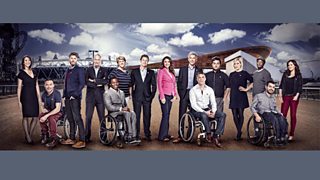
Channel 4's London 2012 Paralympics presenters team
Some viewers complained about ad breaks and the tone of Jon Snow and Krishnan Guru-Murthy’s opening ceremony commentary. The closed presentation set felt claustrophobic and the inexperience of some of the new and untried presenters was noticeable on occasions.
The BBC’s low bid for the TV rights to the 2012 Paralympics (rumoured to be around £3m compared to Channel 4’s £9m) has been described by one unnamed senior TV executive as "one of the biggest mistakes of all time" for the corporation.
For the UK television viewer and wider Paralympic movement, however, the outcome has been anything but disastrous.
Channel 4 reacted swiftly when the popularity of the Games became apparent, clearing its schedule to air more coverage (compare that move to the pitiful coverage offered by the US rights holder NBC).
It turned the UK’s medal-winning Paralympians into household names.
Most importantly, there are signs that it helped influence public attitudes towards disabled people.
Let’s not get too carried away, though. As Amelia Gentleman has highlighted, long after the glow from the Paralympic flame has faded, disabled people in the UK will continue to face challenges in many walks of life.
Will real opportunities for disabled people be any better when Paralympics GB’s newly minted superstars gather in Rio in four years’ time?
If they are, it will be the greatest possible legacy from 12 remarkable days in London.
Stuart Hughes was injured while on assignment for the BBC in Iraq and was an Olympics torch-bearer.
Pictures are courtesy of Channel 4.
