Jailing Twitter trolls may not be the deterrent we think it is

David Banks
is a journalist, author, media law trainer and consultant. Twitter:@dbanksy
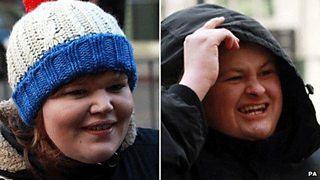
Isabella Sorley and John Nimmo were found guilty of sending 'menacing' tweets
Two people, John Nimmo and Isabella Sorley, who subjected Caroline Criado-Perez and Stella Creasy MP to vile abuse have been dealt with, but what of the others?
If the police seriously tackled the vast number of people committing criminal acts through social media, we would need to engage in a new prison-building programme. While attacks on Criado-Perez rightly attracted a great deal of attention - as did the abuse reported by Stan Collymore just last week - they are but a drop in the tidal wave of racism, anti-Semitism, bigotry, death threats and misogyny that goes on every day.
The sentences might deter a few but I think the effect the sentences have will be far more limited than people hope, for a number of reasons.
Firstly, you have to consider how fast social media user numbers are growing. Thousands of new accounts are registered every day and many of these new users simply will not know about this case despite the headlines it’s attracted in recent days.
Secondly, offenders very rarely consider that they might get caught when they commit an offence. The determined troll will think their multiple, newly created accounts shield them from detection. They are wrong, but that won't stop them from making someone's life a misery until the police finally catch up with them.
Thirdly - and this is the crux of social media hate speech - there is something about it which seems to encourage some users to commit their innermost thoughts to a tweet, and sometimes those are not very pleasant at all. ‘Disinhibition’ is one name given to it. They say things online that they would never say to someone's face.
I suspect that those committing such offences do not give a second thought to the likelihood of detection and punishment when they are tweeting. It seems this is the case with Ms Criado-Perez's tormentors, who cut rather pathetic figures when they appeared in court robbed of the menace lent them by the anonymity of the web.
This is not to minimise the offence they committed, for when cloaked by that anonymity no-one could have guessed at their true nature and the unlikelihood of their ever carrying out the threats they made.
I am not sure that jail is the best way of dealing with this matter, but if it is we are going to need a lot more cases like this for the message to get through that online threats have serious consequences.
BBC editorial guidance on social media use
Professional versus personal social media use
