Journalists in danger: Support press freedom groups or risk lives
Paul Steiger
is executive chairman of ProPublica and its founding editor
In the third of our series of articles in the run up to a major London conference on the protection of journalists, Paul Steiger calls on organisations outside mainstream news to give their backing to the groups fighting hardest for journalist safety.
The one-day symposium Making the Protection of Journalists a Reality: Time to End Impunity will be held in London’s BBC Broadcasting House on 7 April. It is a collaboration between BBC Global News, the Centre for Freedom of the Media (CFOM) and the College of Journalism:
Early in this century an al-Qaeda operative brutally murdered a colleague of mine on camera so he could make a propaganda video. In recent years, in Russia, Mexico, the Philippines and many places in between, reporters are increasingly beaten and murdered with impunity to silence their work and intimidate others into self-censorship.
This blood lust against us calls for us, as it would any other class of people under mortal attack, to push back and speak out. Indeed that is the central theme of this conference: how best to do that; to spotlight and turn back impunity; to get old laws enforced and new ones passed.
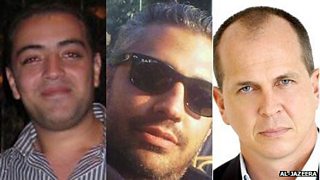
Yet there is an important difference in our professional role when we report on atrocities where our brethren are the victims. Our job is to report fairly and honestly. When Egypt detains reporters on the pretext that they are collaborating with the Muslim Brotherhood, however preposterous we believe that to be, we have a duty to at least raise the issue in our questioning. When we scribble down or record the quotes of their editors and producers, we need to question them with the same care and scepticism that we apply to the other actors in these dramas.
So what do we do? How do we walk both sides of the street at the same time?
One answer is that we take care to do our jobs: to emphasise the information from sources our professional judgement tells us are credible and downplay what comes from those that are not.
Second, we should remember that it’s important to cover aggressively attacks on the press not just out of professional solidarity but because of the threats such attacks pose to the society as a whole. An ill-informed society is less democratic; its government is less accountable.
Finally, and at least equally importantly, we must do our part to make sure there are credible advocates for the interests of journalists in place and that they are alert to the cases in which a quick but informed and in-depth comment can be crucial.
These advocates can emphasise that reporters, even when embedded, are there to bear witness, not bear arms; that the journalist seen talking to a suspected partisan was reporting, not passing information about the next patrol; or that the process by which officials gained access to a journalist’s phone records was legally suspect, and the records ought to be destroyed or handed over to the reporter in question.
Well-informed, sophisticated advocacy on behalf of journalists at risk can come from their news organisations, but often, particularly for the bloggers or freelancers who have no news organisation, it must come from groups like the Committee to Protect Journalists, the Reporters Committee for Freedom of the Press, the Centre for Freedom of the Media and Reporters Without Borders.
Those outfits need our support and the support of the platforms we work for, or from institutions that benefit from the work of journalists, like software and hardware makers, cable operators and telecoms, search engines and social media.
In my experience as a former chairman of CPJ and a current member of the steering committee of the RCFP, it’s tougher than it used to be to raise money from traditional news organisations for the simple reason that, given all that has gone on in the business, they have less of it. But the other institutions are doing better - in some cases very well indeed - and they should be encouraged to provide support, as some now are.
Just because media organisations support press freedom groups (and journalists naturally sympathise) does not mean that journalists should assess such groups with any less scepticism than they would apply to any other source. Probing reporting by journalists of the work of press freedom groups improves the quality of their research and protects the groups against their own mistakes.
It may sound a little odd to be quoting or airing the comments of organisations that we have helped raise money for, but it is far preferable that these voices exist and are robust and knowledgeable enough to influence the public. It can be a matter of life or death for our brave colleagues reporting the news.
Journalists in danger: How can international law help fight impunity?
Journalists in danger: Threats, torture and censorship in Pakistan
Reporting: Foreign assignments
Jailing of al-Jazeera journalists in Egypt highlights need for new defences
Global media to monitor a UN plan to protect journalists from assassination
Other blogs by William Horsley, CFOM international director
London symposium on the safety of journalists - video
Iranian journalists face growing threat of imprisonment in pre-election crackdown
