How BBC Sport is preparing your personal slice of the Olympic vibe

Anna Thompson
Assistant editor at BBC Sport interactive
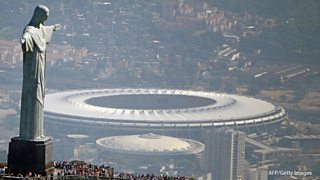
The statue of Christ the Redeemer towers over the Maracana Stadium, Rio de Janeiro.
A month in Brazil sounds like a glamorous assignment and the BBC staff heading to the Rio Olympics will certainly feel very privileged to be working on the ‘greatest show on earth’.
But in reality, there won’t be many lazy afternoons on Copacabana beach. Instead there will be long, challenging days ahead as we deliver 3000 hours of coverage of the 306 medal events over 17 days of live sport across all platforms.
I'm the editorial lead on our digital coverage in Rio, which incorporates desktop, mobiles, tablets, connected TVs and social media. This will be my sixth Olympics outside broadcast, having covered four Winter Olympics and London 2012.
I’ll be based in the Olympic Park’s International Broadcast Centre, which thousands of broadcasters from around the world will also call home for the duration of the Games. But before setting foot in Brazil, I’ve spent the bulk of the last few months planning our digital coverage with my colleague Nathan Mercer.
While television will remain a key way for audiences to consume the big live events – it is still mind-blowing to think that four years ago 91% of the UK population watched the BBC’s coverage of London 2012 – we believe that audiences will also come in large numbers this summer to access our digital services.
Back in 2012, London was declared the first truly digital Olympics as BBC Sport provided up to 24 streams for those who wanted to access content on-the-go or on demand. We had almost 40 million web browsers during those Games, around a third of whom were accessing our content from their mobile phones.
We’ll have a similar offer again in Brazil, but with new services not seen before at an Olympic Games, aimed at giving users a more personalised, participatory and connected experience.
Through My Sport on the BBC Sport website and app, people will be able to follow the Olympic sports that matter to them most. They can sign up for the first time to receive alerts (push notifications) for all the big Olympic news and results as well as setting event reminders and receiving medal alerts.
In fact that’s one of the debates we’ve been having. How many alerts should we send out and at what time? With Rio being four hours behind the UK and many medal events, especially athletics and swimming, scheduled late in the evening in Brazil, it will be interesting to see how many people choose to get an alert informing them at 2.30am whether Usain Bolt has just won the 100m gold!
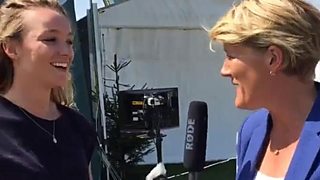
Clare Balding live on Facebook with a behind-the-scenes video from Badminton.
What’s really significant since London 2012 is the huge shift in viewing habits with a lot more of our audience devouring content digitally and socially, particularly on mobiles.
Four years ago, BBC Sport didn’t even have a dedicated social media team. It was set up in 2013 and at that time we had 153,000 fans on Facebook and 1.05m Twitter followers. Now, across a range of social media platforms, we’ve collected more than 26 million fans and followers, allowing us to reach young audiences (more than 80% of our Facebook fans are aged 34 or under) and bring them back to consume content on the BBC.
All this has meant we have had to adapt our style of reporting as we create content not only for the website but for Twitter, Facebook, Snapchat and Instagram too.
The bulk of the online content – including our daily live text commentaries which were read by three million people a day at London 2012, plus reports and results – will be done back at our BBC Sport base in Salford.
But joining Nathan and myself in Rio will be a small team of web reporters and social media content producers whose job will be to combine traditional online reporting with creating short-form video content as we aim to bring alive the Brazilian vibe.
We've already been experimenting with Facebook Lives and Instagram videos and photos to highlight what happens behind the scenes at big sporting fixtures. For example we've had Olympic rowing medallists James Cracknell and Garry Herbert doing Facebook Lives from rowing events, Clare Balding at the Badminton Horse Trials and even from the BBC Sport Olympic press launch.
In Rio, we’re aiming to host Facebook Lives with Team GB medallists and BBC presenters. It’s proving a great way to interact directly with the audience.
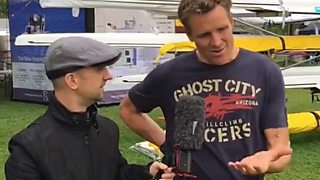
Garry Herbert and James Cracknell live on Facebook from the World Rowing Cup.
Covering all bases
Rio de Janeiro is a sprawling city and the Olympic events are split into four areas.
The Barra area which houses the Olympic Park is where the cycling, aquatics, gymnastics and tennis will all take place; Copacabana will host the likes of rowing, sailing and beach volleyball; Deodoro is the place for equestrian, rugby sevens and hockey; the Maracana area will stage the athletics – and not forgetting the football.
With travel and distance to venues being an issue, each of the reporters has been given an area to cover. They have been busily researching their given sports and attending events in preparation.
This has included the Badminton Horse Trials, European Rowing Championships, Track Cycling World Championships, gymnastics, triathlon and athletics events in order to improve their knowledge base and perfect new forms of storytelling such as short-form video creation.
Safety and security are of course paramount. As you’d expect, we’ve been fully briefed on aspects of the economic and political situation in Brazil that could impact on the Games.
The Zika virus is also at the forefront of our minds but we’re being kept up to date with the latest health advice and have, of course, been issued with insect repellent to keep the mosquitoes at bay.
I’ve not known an Olympics without its particular challenges and 2016 will be no different. But with less than two months to go to the opening ceremony in the Maracana Stadium, I think we’re ready to bring you whatever Rio throws at us.
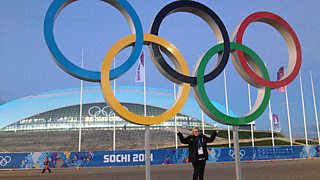
"No Games without its challenges": Anna Thompson at the Sochi Winter Olympics.
