
I have just got a TV which is, as I think they say, “internet enabled”. As yet, I’m not entirely sure how it might eventually change my viewing and listening habits, but I can already see how having a TV with the ability to watch iPlayer is helping me catch-up on the wealth of arts programming being broadcast across the BBC at the moment.
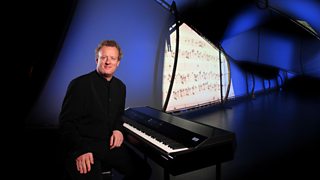
Two major series on BBC Television were first on my list: Howard Goodall’sStory of Music (pictured) on BBC Two and The Sound and the Furyon BBC Four are both on-air at the time of writing. Howard’s six part series is a personal sweep through classical music history and is complemented by a set of 50 Radio 3 downloadable introductions to key works in music history. The Sound and the Fury comprises three documentaries about 20th century classical music as part of “The Rest is Noise” project - a partnership with the South Bank, also involving Radio 3 and nine concerts by the BBC Concert Orchestra. Additionally, the chance to watch two fascinating features on Frank Lloyd Wright on BBC Four and catch last week’s repeat of the intriguing drama recreation of the premiere of Stravinsky’s Rite of Spring have all been part of my recent viewing too.
Across Radio 3 and the BBC Proms, and with the BBC orchestras and BBC Singers, we have a chance to work with our TV colleagues in scheduling and commissioning to make more of our programming available across multiple outlets and platforms, offering our listeners and viewers the chance to explore a big subject in more depth. Recent studies suggest just how “time poor” we the audience regard ourselves. So, the idea of grouping programmes on the same topic together as well as offering listeners more context, is not only part of the BBC’s public service remit to inform and entertain, but has become increasingly important to help counteract the day-to-day busy-ness of our lives.
Take the Baroque Spring programming on BBC Radio 3. Throughout March we will be celebrating the music of Bach, Handel, Telemann, Vivaldi and many more composers. As a climax to the season in April, BBC Two will present a major Bach documentary presented by Sir John Eliot Gardiner and Radio 3 will broadcast his Bach day live from the Royal Albert Hall on Easter Monday, April 1st. The station is also working in partnership with the National Trust to present six live concerts and a live drama from Trust properties, each with their own stories linked to the period.
This is not partnerships for the sake of it or just about linked programming and the BBC’s unique ability to bring radio, TV and online content together. As we saw during the Proms last year our audience enjoys and now expects to have our programming available on-demand. This was demonstrated by a record peak in weekly online traffic, almost double the previous year. Many of the public also expect to be able to comment about what they have heard or seen, to recommend it and to share it with others. The BBC Proms exist in real time, but also have a wonderful independent life as a catalyst for discussion on social media, with thousands of followers on the Proms Twitter account for example, and through time shifted viewing and listening.
We live in an era in which there is a real recognition of the value of partnerships and the need to work together. Just adapt the wonderful epigraph to E.M. Forster’s Howards End and the point is made: “Only connect … live in fragments no longer”. It is by working in partnership with others we have the chance today to grab attention for music and arts programming. By doing so, we can build on each other’s work, drawing on archive material, personalising our offer and give our programming more context in the process.
So with all of this available, I’m going to be relying on my new internet-enabled TV (and the iPlayer radio app) to give me all the great arts programming that is available and my viewing and listening habits will have changed considerably. The content remains the vital ingredient, but we now have more choice and more control.
Roger Wright, Controller, Radio 3 and Director, BBC Proms
