
The BBC's Window of Creative Competition explained
Post categories: WOCC
 |08:59 UK time, Thursday, 27 May 2010
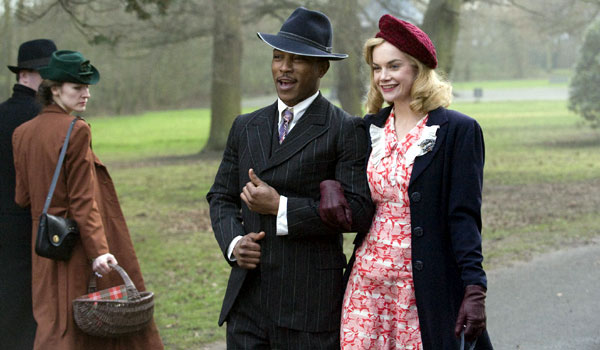 In 2007/2008 we introduced the Window of Creative Competition (WOCC). 50% of BBC output is made by the BBC's in-house production teams, 25% is made by the independent sector. The remaining 25% is the Window of Creative Competition and is open to both in-house and indies to compete for. The best ideas are chosen irrespective of who makes the programme.
 So, it's that time of year when we publish the annual WOCC figures and look keenly at where the 25% up for grabs has been carved out - how has the investment of the BBC's £250million budget in the WOCC been split between the indie sector and in-house productions? This year, the overall story is roughly the same as in the past couple of years, with indies winning 70% of the available business and in-house production securing 30%.
That isn't where the story ends though. Dig deeper and look at the volatility of figures in the genres: year on year we see differences in the battle for each genre. It's creative competition at its very best, with the entire sector - both indie and in-house - in healthy competition and ultimately delivering the best programmes for our audiences.
Think back to three years ago when we launched the WOCC. We were also talking about how quickly the audience was catching up with technology and using content in new ways, how we needed to stop thinking in terms of linear broadcasting and prepare for the world of digital television on demand. But, while the access to content and the technology may change exponentially, what will remain constant is the fact that the best creative ideas are going to be the key to success in this new world.
And that's exactly what we are seeing, year on year. When introducing the system of the WOCC, the BBC reinforced the need for a balanced ecology, making a firm commitment to in-house production and the independent sector through its guarantees, and introducing a window for direct competition. The WOCC's radical approach to getting the best ideas from both in-house and indie is working - both sectors still have much to play for. From whatever source, the best proposals have delivered the range and distinctiveness of programmes this year that is a testament to this heightened creativity, to "Putting Quality First".
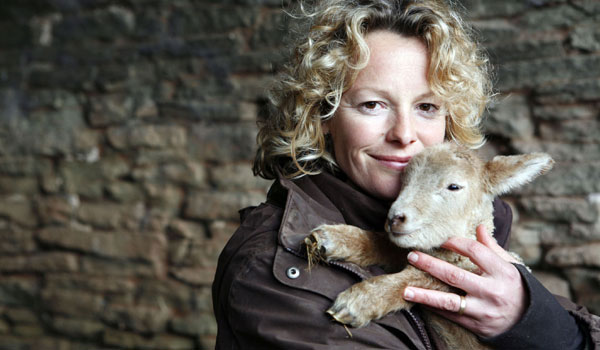 I'm delighted that overall the indie sector is now delivering a total of 2,800 network hours with some real breakthrough shows in the shape of Small Island; Russell Howard's Good News; Michael McIntyre's Comedy Roadshow; Blood, Sweat and Luxuries, and The Day the Immigrants Left.
The BBC's raison d'etre is providing excellent programmes that audiences love, but what today's WOCC figures show is that there are broader benefits that stretch far into the creative industries. We know from the Deloitte report recently published that overall the BBC contributed at least £7.7billion to the UK economy in 2008/2009 - which generates at least two pounds of economic value for every pound of the licence fee.
WOCC plays its part in this and I am so pleased to see competition delivering the very best to our audiences. Now, let's see what happens next year!
Jana Bennett is Director, BBC Vision

Comment number 1.
At 12:13 27th May 2010, TV Licence fee payer against BBC censorship wrote:"The best ideas are chosen irrespective of who makes the programme."
Shouldn't that be how all programme commissions are decided?!
Unfortunately, judging by much of the populist content the BBC is commissioning (from what ever source) for its two flagship channels, I fear not, when will the BBC get back to its core purpose [1].
At the moment the BBC is not fit-for-purpose, at the moment it is acting like a tax payer subsidised commercial/subscription broadcaster - much to that sectors detriment, no amount of commissioning from the indie sector changes that. The BBC needs to do less, much better, now where have I heard that said before...
[1] a Public Service Broadcaster, as defined in its Royal Charter, or as Lord Reith would have said: To "inform, educate and entertain" and as re-affirmed in the 2007 review, nor as it an accident that those three words were listed in that order.
Complain about this comment (Comment number 1)
Comment number 2.
At 13:03 27th May 2010, Jon A-S wrote:CREATIVITY?! At the BBC? Under the current management?! No. No. It's all about poor quality and high audience figures.
Jana - I am particularly intrigued as to what a Director of Vision actually does, given that the BBC doesn't have any.
It's laughable. It really is.
Complain about this comment (Comment number 2)