Olaudah Equiano was a writer in 18th Century London.
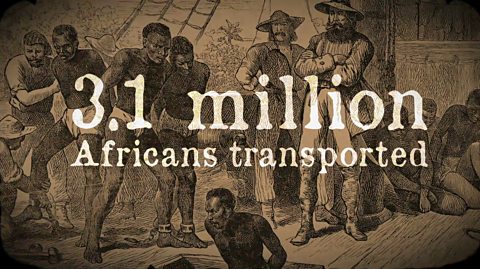
“… the air soon became unfit for respiration… and brought on a sickness among the slaves, of which many died… The shrieks of the women, and the groans of the dying, rendered the whole a scene of horror almost inconceivable.”
When he wrote those words - about the ordeal of captured Africans being transported across the Atlantic - he didn’t need to use his imagination. He was writing from experience.
He had been captured at the age of 11, in West Africa, and sold into slavery in the Caribbean.
Later in his life, he bought his freedom, and when he published his autobiography in 1789, it was a great success – helping to raise public awareness of the terrible reality of the slave trade.
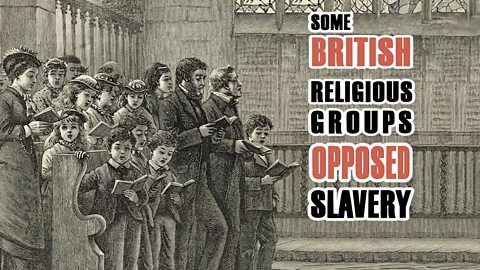
Some British religious groups were opposed to slavery – they believed that God had created all men as equals.
The Quakers became active campaigners. The Society For Effecting The Abolition Of The Slave Trade was formed in 1787, and most of its founders were Quakers.
They held public meetings, published pamphlets, and petitioned Parliament.
One of its members, Thomas Clarkson, began to collect detailed evidence on the way the trade was run – the conditions on the ships, how many men women and children died during the crossings, and the cruel methods used to subdue people.
His evidence was used by Member of Parliament William Wilberforce.
Starting in 1789, Wilberforce regularly introduced bills in Parliament proposing the banning of the slave trade. His bills were voted down – many MPs themselves had investments in the Caribbean.
While many workers feared abolition would impact their own jobs and industries…as the campaign continued, public opinion began to shift.
More and more people began to see slavery as morally wrong – and many boycotted buying sugar.
In 1807, Wilberforce presented his sixteenth Abolition Bill. It passed.
It didn’t make slavery illegal – but it ordered all slave ships to be destroyed, and banned the buying and selling of slaves anywhere in the British Empire. However, slavery didn’t end immediately - continuing in British owned plantations until it was finally prohibited in 1838.
Description
This film examines the role and tactics of the abolitionist movement in its efforts to end the trade in enslaved Africans. It explores the role played by individuals such as William Wilberforce and Olaudah Equiano, and also groups such as the Quakers.