When European powers first reached the Caribbean islands, they quickly realised they had discovered an asset that could be exploited.
The Caribbean climate was perfect for growing the luxury goods of the time – coffee, tobacco, cotton and sugar.
On the islands that the British had captured such as Trinidad and Tobago, the Bahamas, Barbados and Jamaica, settlers quickly cleared land to create plantations.
The indigenous peoples of the islands – the Arawak and the Taino – were forced to become unpaid labourers, producing goods which, when shipped to European markets, made the plantation owners massive profits
They were treated with extreme violence by their invaders – and had no resistance to European diseases like smallpox and flu.
As their numbers declined, the plantation owners needed a new source of labour.
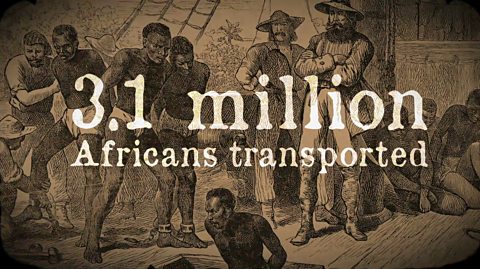
The solution they found was to ship captured West Africans to the islands, creating a new workforce of enslaved people.
The cost to the enslaved African workforce was immeasurable.
The people transported to the Caribbean in chains were subject to brutal violence.
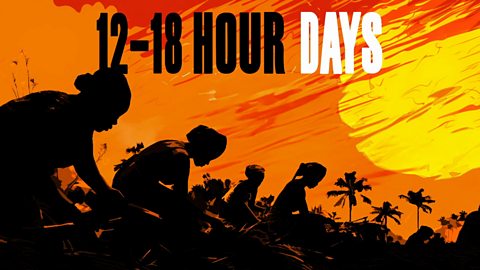
Working conditions were so hard that the plantations became mass graveyards for hundreds of thousands of African men, women and children.
As the plantations expanded to occupy all fertile land, the island’s natural ecosystems were destroyed.
But Britain reaped huge benefits…
It wasn’t just the plantation owners who became wealthy.
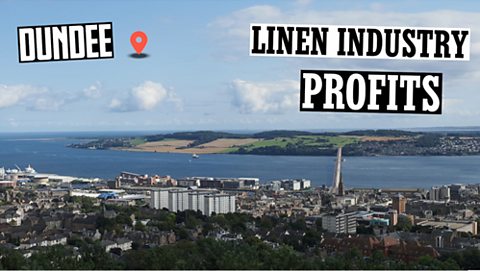
Cities such as Liverpool and Bristol experienced an economic boom from their part in the slave trade. Dundee’s linen industry reaped huge profits from exporting garments to clothe enslaved workers and Glasgow was a hub for the European tobacco trade.
75% of sugar production went through London, before being sent on to global markets, making merchants rich.
The British government took its share of the profits in custom duties.
This income fundamentally changed the nation’s finances, and allowed the Treasury to spend vast sums enlarging the Royal Navy – securing Britain’s place as a dominant colonial power all over the world.
Britain’s banks became the richest in the world, with Lloyds of London profiting from insuring the ships that serviced the slave trade routes. Many of those profits were reinvested into new industries – laying the foundations for the Industrial Revolution.
Slavery and sugar changed the world. The trade had a devastating impact on parts of Africa while giving Britain a strong economic future. And it left the Caribbean islands stuck with unstable economies - dependent on the global market price of sugar.
Description
This film explores the history and legacy of Britain’s involvement in the Caribbean. It reviews the establishment of plantations, the role of enslaved Africans, and the trade in goods that made British traders and cities wealthy.