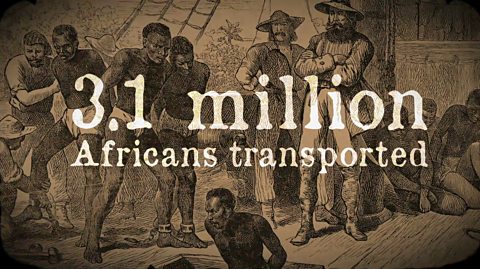
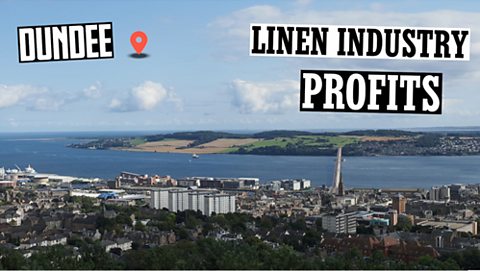
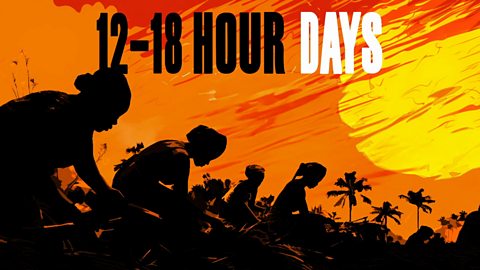
“One day, when all our people were gone out to their works as usual and only I and my dear sister were left to mind the house, two men and a woman got over our walls, and in a moment seized us both, and without giving us time to cry out or make resistance they stopped our mouths and ran off with us into the nearest wood.” Between the years 1640 and 1807, British traders transported an estimated 3.1 million Africans across the Atlantic, to be forced into slavery. For all those who were ripped away from their lives and families, it was a terrifying experience. But for the merchant companies who ran the ships, they were just a commodity of what was to become the richest trading network the world had ever known - the ‘Triangular Trade’. There were three stages to the Atlantic trade route… and merchants could profit from each one. For the Outward Passage, ships were loaded with goods such as guns, gunpowder, alcohol and clothing. These were being manufactured in the rapidly growing British cities - such as London, Bristol, and central Scotland. These goods weren’t usually sold for money. They were traded directly with African merchants and kingdoms – in exchange for captured people The price for a human life was low – in the early 1700s, one enslaved African could be bought for just 2 muskets, or a bundle of clothing But once shipped to the Caribbean, these people could be sold at a much higher price. The Middle Passage crossing could last over 38 days, during which men, women and children faced disease, starvation and abuse on the overcrowded ships. Around 10 to 20 percent of them died at sea “The slaves we saw on board the ship were chained together by the legs below deck, so close they could not move. They were flogged very cruelly. I saw one of them flogged till he died; we could not tell what for. “ Those who survived had their wounds disguised using tar by the ship’s captains, who tried to sell them for the highest price they could get. They would spend the rest of their lives working for no pay on the plantations - producing sugar, coffee, and tobacco. They often died young - worked to exhaustion, then replaced. The goods they produced gave the trading system its biggest profits, when they reached the markets of Europe. Glasgow, for example, became rich as Europe’s central import and export hub for tobacco. British slave ships kept sailing the triangle, year after year… until trading in enslaved people was eventually made illegal in 1807. By that time, the system had cost the lives of 12 million Africans.
Description
The Triangular Trade saw millions of enslaved Africans transported to the Americas and the Caribbean. This video explores the three stages of the trade and the conditions endured by the enslaved Africans on board the slaver ships.