Different religions hold a wide variety of beliefs about what happens after we die. For many people, believing that death is not the end is a comforting thought. The afterlife brings the promise of reward for good people, and punishment for those who have committed evil deeds. Some believe it may also allow a reunion with loved ones who have passed away. Others believe there is no afterlife, and that when we die that is the end. Can we ever really know?
Explore the issues
Watch Shola as she examines religious and non-religious teachings about death and the afterlife.
What happens when we die? No one really knows but some people believe that when their body dies, their spirit or soul carries on living somewhere else. The soul, some people say is a spark of life. The real you. Your mind, your personality, the bit that can't be defined or dissected. But unlike the body, the soul is immortal. It can never die.
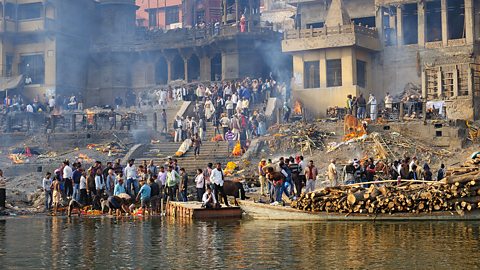
Many Hindus believe that after death, a person's soul or atman is reborn in a new body to live another life as a different person or as an animal. Most Sikhs and Buddhists also believe in this cycle of birth, death and rebirth, which is called samsara. Hindus and Sikhs would say that the atman might eventually be released from the cycle of life on Earth to be reunited with God.
Buddhism doesn't teach that there is a God or even a soul. Buddhists believe that a person's life energy will be reborn over and over again, and then eventually it escapes. And if a formless spiritual life free from suffering. This is called Nirvana.
Most Muslims believe that we have just one life on earth and at some point in the future there'll be a judgment day when everyone will stand before God. Good people will go to paradise, or Jannah in Arabic, to be rewarded and bad people will go to hell, or Jahannam, to be punished.
Many Christians believe in heaven and hell, but they also believe that Jesus was executed on the cross and rose from the dead, opening the way for people to escape hell and join him in heaven.
There's no agreed evidence that life does continue after death. But for religious people, it's a comfort to believe that this isn't all there is, that there is an afterlife to look forward to, and that we'll see friends and family again.
But many non-religious people, like humanists, think that this life is all there is, so there's no need to be afraid of what might or might not happen after death. This is also comforting in a different way because it gives this life right here, right now, a meaning whether life carries on after death or not. People who die will live on in the memories of everyone who loved them.
So what do you think? Is death the end? And how will your beliefs affect the way you live your life?
Reward and punishment
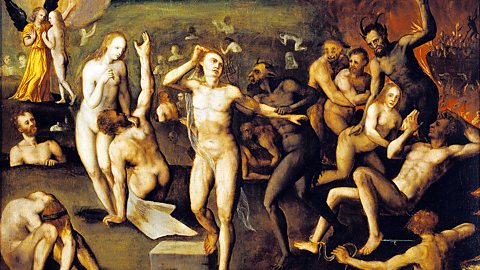
Most religious people agree that death is not the end, but many have different ideas about what happens after life. Christians and Muslims generally believe that when they die God judges them and their souls go to a place of reward or punishment.
Christians call this heaven or hell. Catholic Christians believe in purgatory, which is place for people who are not evil enough for eternal punishment in hell, but not good enough for heaven. In purgatory they are purified to be accepted into heaven.
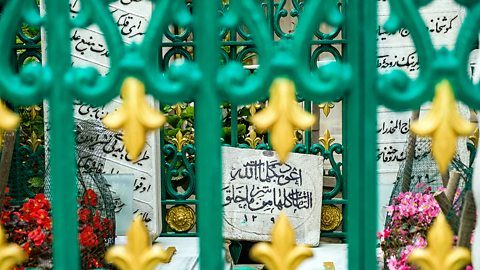
Muslims call the place of reward in the afterlife Janna. Jahannam is the word they give to the place of punishment. Janna is described as a paradise full of joy and pleasure in the Qur’an, whereas Jahannam is written about as a place of unending punishment.
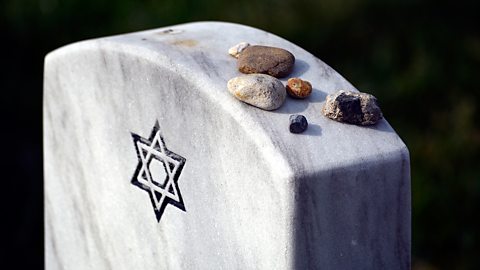
Many Jewish people also believe in an afterlife, and that when a person dies, God judges them on how they lived. Most Jewish people believe that they should focus on their present life, and not spend too much time thinking about what happens after death.
Birth and rebirth
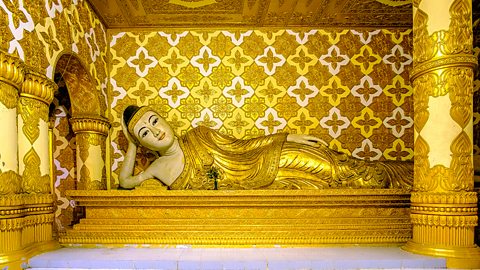
Hindus, Sikhs and Buddhists believe that people live through lots of cycles of birth and rebirth. This means when you die, you will be born again into another life. This cycle is known as samsara. How good or bad the next life will be is decided by how well a person follows their duties on Earth. These duties are called their dharma.
Karma is a kind of cosmic judgement system: good actions collect good karma, which help to ensure an enjoyable and happy next life and bad actions collect bad karma, which will result in a future life that is not as positive or joyous.
The goal for Hindus, Sikhs and Buddhists is to escape from the cycle of samsara, and spend forever in a state of bliss. Buddhists call this nirvana or nibbana, and Hindus and Sikhs call it moksha. Karma and samsara work together to ensure there is fairness and that everyone gets what they deserve in the end.
So, beliefs about life after death for most religious people are about fairness and justice. Whether karma decides the next life or God sends a soul to a place of reward or punishment, most religions teach everyone will face consequences for how they have lived, and no one will escape justice in the afterlife.
Words of wisdom
What do religions and non-religious literature and texts have to say about death? Click the picture below to explore wisdom and teachings.
Is death the end?
People who don’t believe in God or other types of higher beings may conclude that death really is the end. Ideas about divine justice and not really having to die at all may be a solace to religious people, but for most atheists (people who believe there is no God or gods) and some agnostics (people who believe we cannot know whether God or gods exist) there isn’t enough evidence for believing in a life after death.
For many atheists and for some agnostics, death is the end, but it’s not necessarily something to feel frightened or worried about. It means freedom to live without fear of punishment in a next life, and this sometimes motivates people to make the most of their time on Earth.
Life, death and the afterlife in pictures
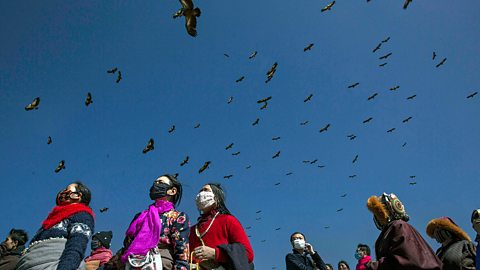
Image caption, Buddhism – A sky burial
Most people in Tibet are Vajrayana Buddhists and they believe that once the spirit leaves the body after death, the body becomes an empty vessel. In many rocky and mountainous regions of Tibet, it is difficult to bury a body, and it can be hard to find wood to light cremation fires. For these reasons dead bodies will sometimes left on mountains, to be consumed by vultures. This is called a 'sky burial' and is performed by specially trained people, usually monks. It is seen as a lesson about impermanence, a reminder that nothing lasts forever, and also a final act of generosity by the dead person. Why do you think it is important for people to show their beliefs about what happens after death through end of life ceremonies?
1 of 7
Careers advice and tips from BBC Bitesize
Future careers, further studies and the world of work - we're here to help with advice from experts and from young people who've found their path.

More on Morals, ethics and philosophy
Find out more by working through a topic
- count8 of 8

- count1 of 8
- count3 of 8