The fashion revolution: From trends to sustainability
Fashion allows us to express our individuality by wearing outfits that boost our confidence and reflect our personalities, but this can often come at a cost, and what we wear can have an impact on the environment.
Video: Sustainable fashion
Fashion might not be the first thing that comes to mind when you think about climate change.
But what we wear has a serious impact on the environment.
Before the 1970s, people only bought clothes occasionally, or even made them themselves.
Then lots of companies started mass-producing clothes – in other words making a lot very quickly.
Clothes became cheaper, so it was easier to fill our wardrobes and keep buying new clothes to follow the latest trends.This is called fast fashion.
Unfortunately, mass-producing clothes creates a lot of greenhouse gases, which trap heat and make climate change worse.
For example, an average white cotton shirt can create roughly the same greenhouse gases as driving from Aberystwyth to Cardigan in an average car.
And growing enough cotton to make one pair of jeans uses between 7,500 and 10,000 litres of water. That’s enough drinking water for someone for ten years.
Many clothes are made with synthetic fibers, like nylon or polyester, which release tiny particles, called microplastics, when washed.Microplastics can harm wildlife in rivers and along coasts.
It can even get into our drinking water.
The distance clothes travel from where they’re made to where they’re sold is also a problem.
China is the leading manufacturer of clothing and a shirt made there, travels 8,000km to get to Wales.
The majority of clothes we buy in Wales, end up in landfills or incinerators.
Incinerators are special pieces of equipment that burn waste, but of course, this releases greenhouse gases.
Constant advertising and potentially peer pressure can make it hard to resist fast fashion. But things are changing.
Many brands have started using recycled materials, and there are loads of new companies with a focus on making environmentally friendly clothes. Including in Wales.
This is making it easier to buy locally, reducing the distance your clothes have to travel to get to you.
Some schools have swap shops where students can exchange the uniforms they no longer need for the ones they do need.
And there are groups across Wales that are making it easier to create a circular economy with your clothing. In other words, reducing, reusing, and recycling your clothes instead of throwing them away and buying new ones.
These groups organise clothing swaps so you can trade what you’re tired of for something you prefer.
There are also workshops where you can learn how to repair your clothes so they last longer, or learn how to modify or adapt them, to make something old look new again.
So you can be sustainable while still looking good.
So next time you’re putting together a new look, consider these ideas to contribute positively to the environment.
What is fast fashion?
Fast fashion is when clothing companies make a high volume of clothes very quickly and sell them at low prices. This happens because people want lots of new clothes that are fashionable and don't cost a lot. This might sound great, but it can cause some big problems.
Many companies make clothes quickly and cheaply to keep up with what people want. At times, they’re made in places where they can pay workers less money and where they don't always have to follow strict rules to protect the environment. This makes it easy to produce and sell clothes all over the world, but this is an Something that cannot continue for a long time because it uses up too many resources or causes harm to the environment, making it difficult to maintain in the future. process.
Globalisation speeds up fashion trends with help from things like social media and TV. Technology makes fashion spread quickly worldwide, and this increases the demand for cotton and polyester production. Some people argue that this is creating a more When everyone in a group is similar in many ways, like how they look or act.
In 2022, the average household in the UK spent £17.60 per week on clothing and footwear.
Activity: Producing, transporting and discarding clothes
Impact on the environment
Factories
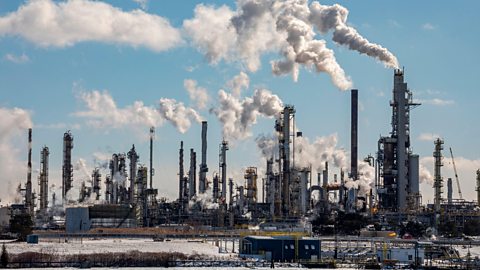
When factories make clothes, they burn things like coal and oil for energy. These are called fossil fuels. Burning fossil fuels releases greenhouse gases that trap heat in the air, making the Earth warmer. This can cause changes in the weather and other problems. As well as this, the chemicals used when dyeing fabrics into different colours can often enter the water system in an uncontrolled manner, which damages A community of plants and animals that live in, on or near water..
Transport
Clothes are often made all around the world, which are then are then transported to shops and stores in Wales, which can create pollution from the vehicles, ships, and planes they are transported in. The fuel used in transporting the products pollutes the air with greenhouse gases.
Microplastics
Sometimes, when we wash clothes made from materials like polyester (a man-made fibre), tiny pieces of plastic break off. These are called microplastics, and they can end up in rivers and oceans. They're bad for fish and other animals that live in the water, as they can digest them, and they can even get into the food we eat.
Waste
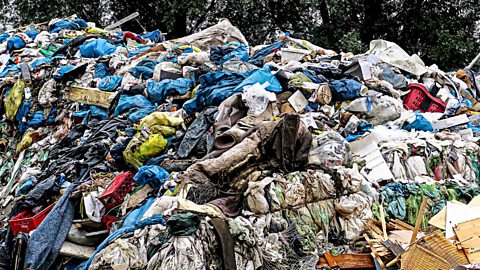
People often throw away clothes they don't want anymore. Although people can recycle their old clothes, they often don’t, and the unwanted clothes end up in landfills and can cause problems as they break down.
Impact on society
Water usage
Making clothes needs a lot of water to help grow the plants that produce cotton. This can be a problem in countries that grow cotton that have a hotter climate than us because it can use up too much water, which makes it hard for local people to ensure that they have enough water to drink, wash, and supply their own animals with.
Labour exploitation
Many fast fashion brands rely on cheap labour in developing countries, where workers are often paid low wages and subjected to poor working conditions, including long hours and unsafe workplaces.
Health risks
The use of toxic chemicals in textile production and dyeing processes can pose health risks to workers and communities living near factories.
Loss of cultural identity
Fast fashion can make people think they need lots of clothes and the newest styles all the time. This can make people forget about the value of well-made clothes and traditional styles from different cultures and it can also make everyone look the same without celebrating our unique styles and backgrounds.
What's being done to make fashion more sustainable?
More and more people are starting to talk about the issues of fast fashion and are trying to find solutions, and some clothing companies have started to make their clothes in ways that are better for the environment.
Using organic cotton
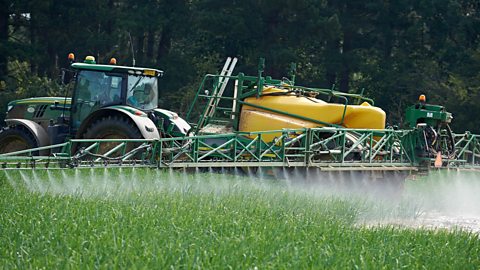
Means not using harmful chemicals like A chemical that is poisonous to plants, used to kill plants that are growing where they are not wanted. and Chemicals used to kill pests. that harm the natural environment.
Recycling old clothes
Some shops offer an opportunity for their customers to return old clothes for recycling. The fabrics in these clothes can be recycled which reduces the waste in landfills and decreases the need for new materials.
Fair wages for workers
Fair wages ensure workers can support themselves and their families. Operating through Fairtrade agreements means supporting ethical practices in clothing production, such as adequate working conditions and reasonable working hours, as well as wages.
Reducing energy and water use
This helps decrease the strain on the land and natural resources used to grow materials and make clothes.
Video: Sustainable fashion in action
Many of us care about what we wear, or at least like to feel good about how we look.
But a lot of the clothes we’re buying are causing all kinds of problems for the planet.
Mass producing clothes by making them cheaply and quickly creates a lot of problems.
It generates greenhouse gases which is making climate change worse, and uses a lot of water.
Synthetic clothes also release tiny particles when washed, called microplastics, that end up in our rivers and seas.
In an effort to keep up with trends, we also throw out loads of clothes which end up rotting in landfills.
But you can make a different without giving up your style.
The single best thing you can do is try and reduce the amount of new clothes you buy.
If it’s time to change your look, how about buying vintage or second hand clothes instead of new items of clothing.Or try to get clothes that are made closer to home.
Check the label: where was it made?
If you can, try to buy clothes that last longer so that you can buy less often.
You can also try to buy from companies or shops that have a focus on things sustainable.
And instead of throwing out old clothes, try combining different items of clothing to create new looks, or help create a circular economy by donating clothes to a charity shop or selling them online.
Have you seen one of these before?
It’s called a guppy bag, and when you wash your clothes in it, it prevents microplastics escaping into the environment.There’s a lot of pressure to be fashionable from friends, TV, adverts and celebrities, for example.
But more people are getting involved in sustainable fashion all the time, and there are lots of groups across Wales you could join.It takes a little creativity, but you can help the planet while looking good too.
Activity: What can we do to make fashion more sustainable?
By taking action at individual, national, and international levels, we can all work towards a more sustainable fashion industry that respects both people and the planet.
Closed-loop recycling
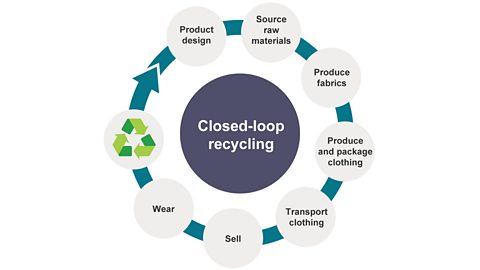
Closed-loop recycling means taking used items like old clothes and turning them back into the same kind of products, like new items of clothing. Materials are reused over and over again without losing quality. This helps us save resources, use less energy, and make less waste.
As more people become aware of the problems with fast fashion, we can all work together to create a fashion industry that's better for the planet and everyone who lives on it.
Quiz
More on Waste and pollution
Find out more by working through a topic
- count2 of 2