What has caused the demand for electronics in recent years?
Electronics are devices and gadgets that use electricity to work. They include things like phones, computers, TVs, and game consoles. These devices can do a wide range of things such as show videos, play games, or make it possible to connect with your friends and family.
Technological advancements
Constant New methods, ideas or products. in technology introduce new electronic devices with new functions and facilities. This can create demand for the latest products.
Consumer culture
A person who orders, or uses goods, products, or services primarily for personal use. pressure and advertising campaigns, particularly through social media, may have led to an increased desire for the newest gadgets. This has contributed to increased production and purchasing of electronic devices.
Convenience
Electronic devices offer various functionalities and conveniences, making them indispensable in modern life. This means that items such as mobile phones, televisions, computers and dishwashers are in high demand and this drives their production.
These factors collectively contribute to the surge in electronic production, sustaining a cycle of consumer demand and technological advancement.
Video: Sustainable electronics
So much has changed over the last century.
Today it can seem like there’s always some new bit of tech we should get.
Electronic devices make it possible for us to do so many things.
But they are also having a huge impact on the planet.
These devices have an impact on the environment when they are created, when they are used by us, and when they get thrown away.
Most devices are built using metals that are rare and finite, this means that once we’ve used them up, they will be gone forever.
These metals are mined from the ground which can be extremely harsh on the environment.
In order to mine these metals, land has to be cleared and that can mean destroying the homes of local wildlife and upsetting the ecosystem, or the natural community there.
Also, the mining process uses toxic chemicals that can sometimes get into the land and water nearby.
One of the reasons why we use more electricity today than we ever did in the past, is that we now have so many electronic devices.
A powerful gaming computer can use the same amount of energy as three refrigerators.
Then there’s the problem of E-waste, that’s the term we use for all the electronic devices we throw away.
This is the fastest growing type of waste in the world.
Most electronic devices end up being thrown away and what’s worse is that many of these items still work well.
That’s one way the electronics world is a lot like the fashion world.
Companies create new versions of things all the time, so that they can keep selling us new products.
We feel the pressure to get the latest gadgets from advertising, our friends, celebrities, and ourselves.
This urge to buy the latest thing can be really hard to ignore.
Fortunately, there are many organisations already working on these issues in Wales.
There are groups that are calling for electronic devices that will last longer, so that we don’t have to buy so many new ones and they want to make it easier for us to recycle old devices.
Look online to find your nearest recycling centres, so that you can get rid of old devices without sending them to landfill.
When they end up there, toxic substances like mercury can get into our soil and water.
In 2022, the Royal Mint began building a plant in south Wales that will be able to recycle gold from E-waste.
This is the first plant of its kind in the UK.
New companies are also focusing on sustainable issues, some now offer phones that can be fully repaired with a guarantee that will last for 5 years.
The more people know about all the ways electronic devices can impact the environment, the more people can do to improve things.So share what you know with the people around you!
What impact does electronic production have on our planet?
The creation and use of electronic devices bring numerous benefits to our lives. They positively influence our society, contributing to increased connectivity and convenience, while also boosting our economy. However, electronics can significantly harm our planet's ecosystems and environments, which makes it more difficult to have a sustainable lifestyle.
Advantages of electronics
| Society | Economy | Environment |
|---|---|---|
| Stay connected with friends and family. | Jobs are created through the process of producing and selling electronic products. | Creating resource-efficient designs and recycling programs can help minimise the environmental impact of electronic production. |
Disadvantages of electronics
| Society | Economy | Environment |
|---|---|---|
| Over dependency on gadgets and devices. | Planned obsolescence. This is when products are intentionally designed with a limited lifespan, prompting consumers to replace them frequently at great cost. | Electronics can use up natural resources faster than they can be replenished. For example, precious metals such as lithium, silver and copper are used in the production of mobile phones. |
The environmental impact of a smartphone

The environmental impact of mobile phones spans their life cycle, from manufacturing to disposal. Production requires significant resources and energy. This contributes to pollution, habitat destruction, and greenhouse gas emissions. The design stage of mobile phones often takes place in Countries that have a high income, such as the UK and Japan. where multinational companies have their headquarters.
The components and parts for mobile phones are often sourced from different countries and then assembled in factories located in different regions of Countries recognised by the World Bank as being neither high income or low income. This classification is reviewed yearly. or Countries recognised by the World Bank as having a lower income than other countries.. Once constructed, mobile phones are exported all over the world, meaning transportation emissions add to the phone's overall carbon footprint. In addition, energy use during the phone's lifespan and the generation of electronic waste pose further environmental challenges.
To address these issues, projects focus on:
- making phones last longer
- using more recycled materials
- promoting energy-saving features
- managing electronic waste better
- getting people to know more about these issues
By choosing sustainable options, keeping our gadgets going for longer, and properly disposing of the old ones, individuals can help reduce the impact of their smartphones.
What happens when electronic waste isn’t disposed of responsibly?
When electronic waste isn't disposed of responsibly, it pollutes the environment with hazardous chemicals. This can cause health problems for people living in communities near landfill sites.
It also wastes valuable resources. Electronic devices contain valuable metals and materials such as gold, silver, copper, and rare earth elements. When electronic waste is not properly recycled or recovered, these resources are lost and must be replaced through additional mining and extraction.
A further issue of incorrect disposal can be data security risks. Sensitive information is often stored on devices such as computers and mobile phones and this may be accessed by individuals without proper authorization. This can lead to identity theft, privacy breaches, and other cybersecurity threats.
How can we dispose of e-waste safely and sustainably?
Recycle old electronics by taking them to designated recycling centers.
Spread the word by telling others why it's important to recycle electronics.
Selling your old items will give you the opportunity to give your old electronics a new life by selling them to someone who might want them. This keeps the item in use instead of throwing it away.
Fixing electronics will avoid having to throw them away.
Video: Sustainable electronics in action
Electronic devices make it possible for us to do so many things, but they’re also having a huge impact on the planet.
So, it’s important to think about what we can do to make electronics more sustainable.
Things like phones, tablets, computers and televisions have metals in them from Africa, Asia and South America.
And this has a negative impact on the environment there.
We also throw away lots of old devices and this is called e-waste.
This is the fastest growing type of waste in the world.
In Wales, there are organisations that help make it easier to reuse electronics and to recycle the metals inside them.
Just like sustainable fashion, one of the best things you can do is think twice before buying brand new gadgets.
Another problem is that companies sometimes refuse to make new parts for things like phones or tablets,
or make it very difficult to fix them.
They do this so that they can sell us new devices.
You can try to avoid this by reusing and recycling your devices, and making a point to only buy second hand items when you need something else.
That way, nothing is wasted.
Start by finding out if you can repair your old devices before you recycle or replace them.
If you do need something new, see if you can find a company that sells electronics that are sustainable or last longer.You can find out a lot about companies that do this online.
You could always find out where your local recycling centres are located and look for e-recycling projects in your area.
Have you tried writing to your local council to ask them to promote -recycling and help make it easier for people to do it?
These are all small but significant things you can do.
Your actions will help make a difference and you will be contributing to looking after the planet.
Activity: How can we make our tech habits more sustainable?
Technology plays a central role in our daily lives, offering convenience, connectivity, and innovation. However, the rapid pace of technological advancement has also led to environmental concerns. This includes electronic waste, energy consumption, and resource depletion. By adopting practices that minimizes electronic waste, conserve energy, and support sustainable technologies, we can reduce the ecological footprint of our tech usage.
Producing and disposing e-waste in Wales safely and sustainably
Wales has a number of projects across the country to reduce the negative impact our devices can have on the environment.
Legislation
There are laws in place to make sure manufacturers are responsible for their electronic waste. For instance, laws require companies to properly get rid of their products even after they're no longer usable.
Community projects
Repair cafés and mobile repair services operate across Wales. These schemes extend electronics' lifespans by offering repair services to the public.
E-waste collection centres
Wales has numerous e-waste collection centres across the country, ensuring responsible disposal and recycling.
Circular economy
Wales aims to continue reducing the amount of e-waste that's created and foster a circular economy. A circular economy is a way of doing things where we try to use resources as efficiently as possible.
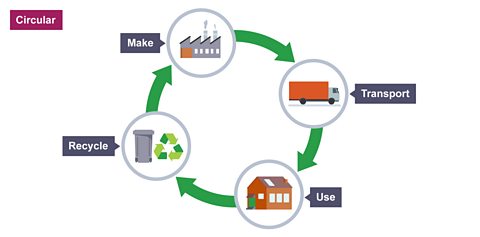
Instead of throwing things away after using them once, we find ways to reuse, repair, and recycle them. This helps minimise waste and protect the environment while also saving money and creating new opportunities for businesses.
Locations like The Royal Mint in Llantrisant are building a chemical plant that can extract gold from electronic waste, such as old laptops and mobile phones. This eco-friendly method reduces energy use and is better for the environment.
Education
Different groups and councils run campaigns to teach people in schools and the community about e-waste and how it affects the environment.
Quiz
More on Waste and pollution
Find out more by working through a topic
- count1 of 2