Introduction
Welsh beaches may be among the cleanest in the UK, but that doesn’t mean that pollution isn’t an issue in Wales. Tonnes of plastic waste are discarded into the oceans each year. What are we doing to help tackle the issue and how can we help?
The good news is that the fight to clean up ocean pollution is taking place across the globe, and many beaches are being awarded for their cleanliness.
Welsh beaches
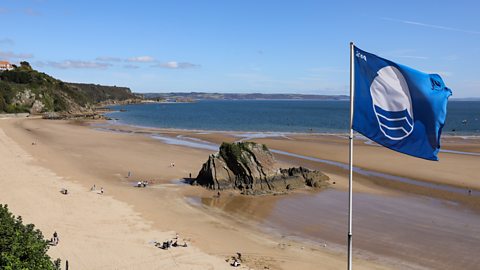
A Blue Flag beach means it has been awarded a Blue Flag by the Foundation for Environmental Education in Denmark. This tells us the beach is super clean and has excellent water quality, so if you see one of these flags you know the sea is perfect for a swim.
In 2021, Welsh beaches won 45 Blue Flags, 15 Green Coast Awards and 25 Seaside Awards.
Wales is surrounded by the sea on three sides. These seas are really clean.
In 2023:
- all but two of 109 bathing waters in Wales met the minimum standards
- over 70% met the toughest “excellent” standard
Wildlife
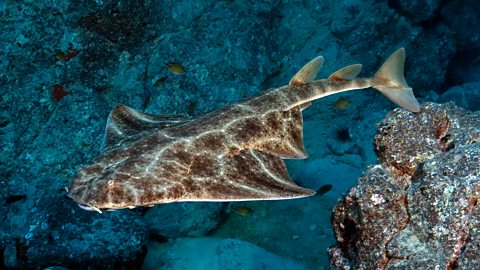
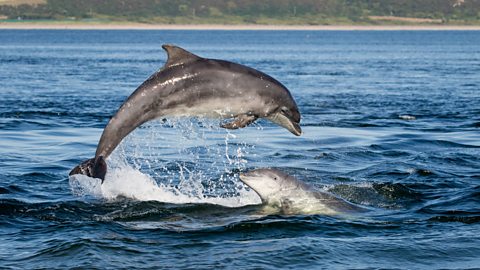
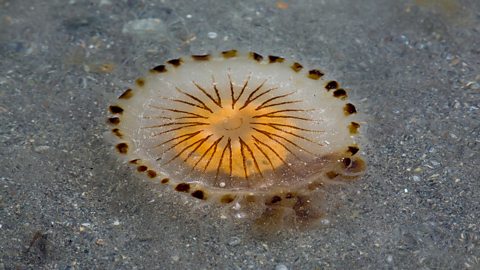
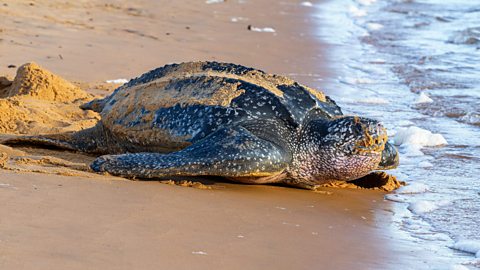
The Welsh coastline provides the perfect habitat, or home, for lots of different marine wildlife such as dolphins, seals, porpoises, jellyfish and even sharks.
The coast is also home to some really important colonies of birds. If you take a walk along the coast you could be lucky enough to spot Manx shearwaters, puffins and gannets. In fact, Wales is famous for being one of the best places in the world to spot many of these birds.
Who lives here?
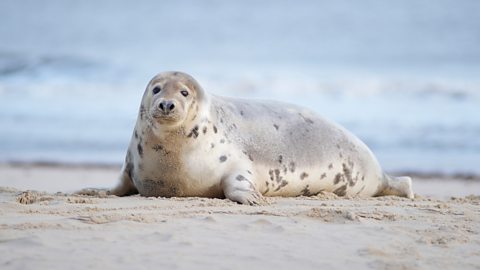
Image caption, Grey seals
Grey seals can be seen along the Welsh coast all year. Male seals are called bulls and they can weigh as much as 230 kg - that’s about the same weight as an adult lion. They spend most of their time out at sea catching fish, but you can often spot them when they return to land to have a good rest.
1 of 5
So what’s the issue?
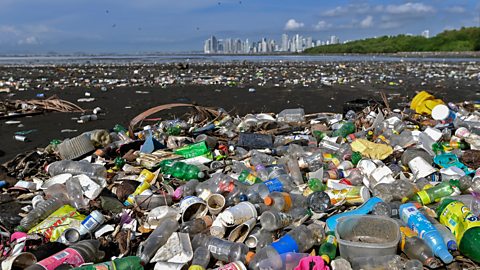
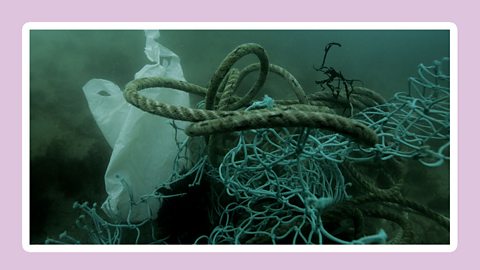
Millions of tonnes of plastic debris are being added to the world’s oceans every year. The rise in plastic pollution is being tackled across the globe, but the litter keeps coming.
The majority of this plastic sinks to the bottom of the ocean, so it cannot be seen, but it can cause problems for animals and humans.
Even though we can’t always see it, plastic waste is polluting our oceans all over the world.
What can be done about it?
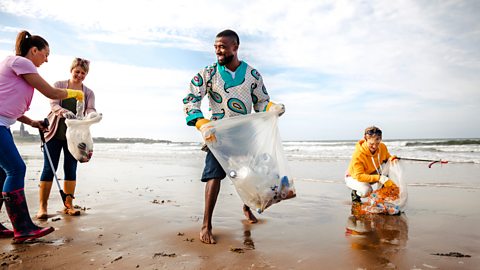
Volunteers are working hard to clean up our oceans and beaches. You might even have taken part in a local beach clean. However, some volunteers are taking things a step further.
Video: Marine life being saved in the ocean
Meet the expert
David Kennard is part of a team of pro scuba divers who perform underwater litter picks. It’s not always an easy task. Underwater visibility in Wales can be really challenging and can make finding rubbish a tough task, but they’ve found all sorts of items under the sea.
Watch a group of scuba-diving volunteers who save marine life from plastics in our ocean.
Narrator: Did you know that Wales is a world leader in clean-up conservation?
This means our beaches are among the safest and cleanest in the world.
This is Newgale in Pembrokeshire.
It's a Blue Flag beach, which is a national award given, because it's super clean and has excellent water quality.
But even the most litter-free beaches can be easily spoilt by rubbish that's hidden underwater.
Sadly, some people use the ocean like a rubbish tip.
Plastics are a particular problem, because they take so long to break down.
Often, it can take around 500 years.
Would you believe that as much as 12 million tonnes of plastic gets dumped into our oceans every year?
That's the same as over 9 million cars going into the sea.
The majority of this plastic sinks to the ocean floor.
And all this can be a big threat to animals, and even us.
You might not believe it when you're standing on a beautiful sandy beach like this,but out there, under the water, things aren't always as clean as you may think.
One group of volunteer scuba-divers based in Pembrokeshire have decided to do something about it, and are making a real difference.
Meet David Kennard.
He started a group called the Neptune's Army of Rubbish Cleaners – shortened to NARC.
David: NARC is a scuba-diving group who perform underwater litter picks.
I thought now's a good time to make a difference and try and find other people who want to be part of that difference as well.
Narrator: Lots of different people become NARC volunteers.
David: We've got all sorts. Well, for instance, I'm a plumber. We've got people who are builders, doctors, nurses, taxi drivers. You know, it's like, it works on passion.
Narrator: One of the biggest challenges for David and his team working underwater is poor visibility off the Pembrokeshire coast.
David: I mean, to dive in UK waters, they say if you can dive here, you can dive anywhere in the world. You know, sometimes we're diving with visibility with about a metre, a metre and a half.
Narrator: But over the years, David and the team have come across some extraordinary finds.
David: The rubbish that we would find on the seabed can range from anything, you know. We've had clothes lines, lawnmowers, push bikes, skateboards. Loads of stuff. A few years back, we found a car sat upright on the seabed.
Narrator: The NARC team also work with local fishing groups. Today, they are finding lost lobster pots and fishing nets.
Lost fishing gear, like nets, traps and pots, are things that affect the marine environment today.
Marine is the word that describes oceans and seas.
Fishing gear that is either lost or left by fishing teams drift into the oceans, then trap, tangle and kill marine life.
This is called ghost fishing.
These nets and pots drift into the oceans like ghosts, catching and killing marine life.If a lost fishing line and its hook are shimmering in the sun, fish see it as prey, and something to go for.
NARC spend lots of time rescuing marine wildlife and try to untangle the animals from the plastic fishing lines, releasing them without harm.
David: We go out and retrieve and rescue as much wildlife as we can.
Narrator: Plastic is the biggest threat to the ocean habitat. It's the most common type of litter to be thrown into the ocean.
David: If the scientists are right, by the time we get to 2048, they're predicting there'll be more plastics in the sea than fish. I would love to think that NARC could be something positive that could postpone that or make it that it's not the case.
Narrator: To help, we need to stop throwing plastics and other rubbish into our oceans.We need to treat the ocean with respect – it is not a rubbish dump. And one thing you can do which can make a huge difference is to use less single-use plastic, like:
Plastic bags
Plastic water bottles
…and switch to using more eco-friendly materials.
Half of all plastics around today have been made in the last 15 years. Do we really need so much plastic packaging? And if we don't, what can we use instead?
What can we do to help?
Plastic is a huge threat to the ocean habitat. It is the most common type of litter thrown into the ocean.
Why not take part in an organised beach clean? But remember to follow these top tips.
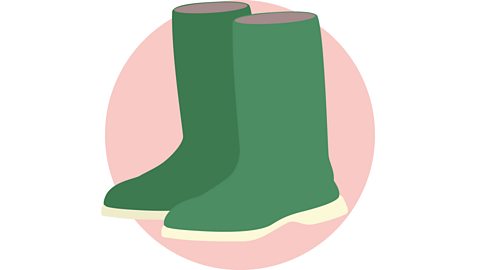
- Wear suitable footwear so you don’t slip or tread on anything sharp.

- Wear protective gloves.
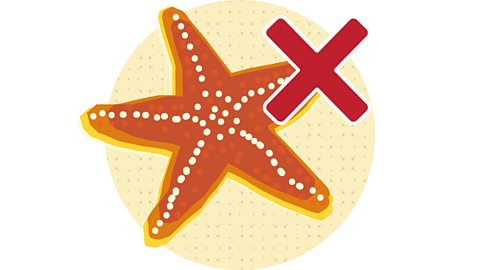
- Do not touch or harm any wildlife.
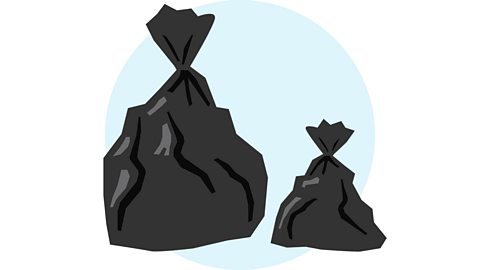
- Take your rubbish home with you when you leave the beach.
We need to respect the ocean and our beaches.
Just two minutes spent picking up any litter left on the beach can really make a difference.
Quiz: How can we clean up ocean plastics?

Where next?
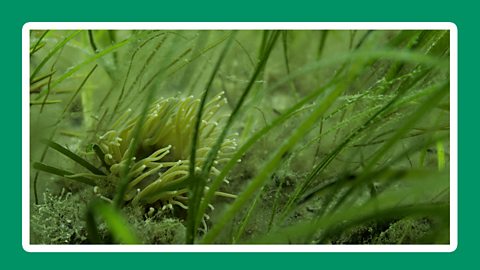
How can seagrass help slow down climate change?
Did you know that seagrass is known as "the lungs of the ocean"?
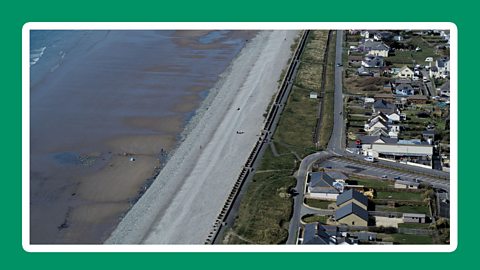
How will climate change impact the seaside?
Learn about greenhouse gases, global warming, and melting ice caps and their impact on the village of Fairbourne in north Wales.
KS2 Sustainability
A collection of lessons for pupils aged 7 to 11
More on Waste and pollution
Find out more by working through a topic