Quick version
Scots played an important role in the British involvement in India and it eventually becoming a key part of the British Empire.
- Scots provided leadership of the East India Company
- Scots provided soldiers and officers in the British Army in India
Scottish merchants and entrepreneurs became very wealthy through trade in and with India:
- jute manufacturers in Dundee built businesses importing raw materials from India and exporting finished goods
- others exported Indian goods such as tea, spices, and timber
Scots provided professional services in running India, such as administrators, doctors, and lawyers, engineers and architects.
Many Scots had important roles in India:
- James Andrew Broun-Ramsay was the Governor-General of India who expanded the Indian territories of the British Empire.
- Thomas Babington Macaulay was a politician who devised India's criminal law and also transformed Indian education.
- Scottish missionary, John Wilson, established the University of Bombay (now Mumbai).
- Scots engineer, George Turnbull, built India's first long-distance railway network.
Scots were also complicit in wars, massacres and oppression of the native Indian people.
Learn in more depth
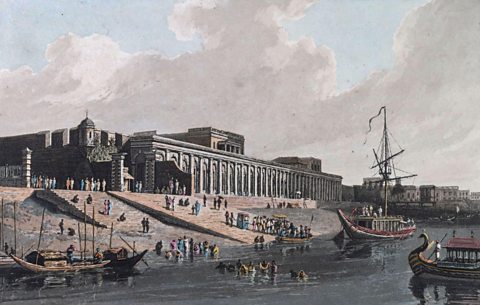 Image source, Historic Illustrations/ALAMY
British control of the Indian subcontinent began with the activities of the East India Company.
A London-based spice trading company, in the 1600s the East India Company was estimated to control 50% of the world's trade.
- the East India Company had its own army
- the East India Company had its own navy of merchant and flighting ships
- it had prominent politicians and businessmen as shareholders
It established bases in India and secured trading rights, however, through the annexation of Indian territories by force, it came to control vast areas of land.
In 1858, the Government of India Act transferred all of the territories controlled by the East India Company to the British Crown and the Indian subcontinent became the most important part of the British Empire.
Image source, Historic Illustrations/ALAMYScots and the East India Company
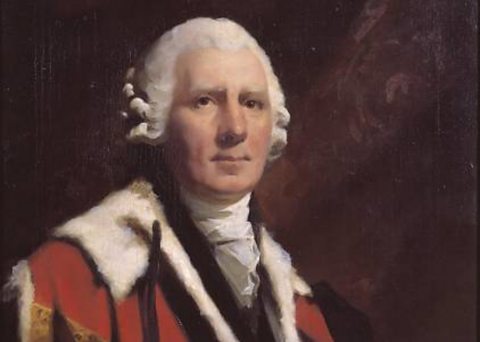 Image source, The Picture Art Collection/ALAMY
Although it began as an English company, many of the company's most influential leaders were Scottish. Scots were also present in large numbers in the company's trade and military operations.
In 1793, the most powerful Scottish politician of the age, Henry Dundas, became President of the Board of Control – a government body that oversaw the British East India Company. Under his leadership, Scots became heavily involved in the running of the company.
By the 1790s, Scots made up:
- one in nine company civil servants
- one in eleven company soldiers
- one in three officers
Image source, The Picture Art Collection/ALAMYScots and the Indian economy
When the territories of the East India Company became part of the British Empire, Scottish involvement continued as Scots began to export jute, tea, timber, coal, sugar and indigo as well as cotton.
Scotland and Indian jute
Dundee became a major centre in jute manufacture as a result of Indian trade.
Raw materials would be grown in India, particularly Bengal, before being transported to Dundee textile mills. Here it was turned into finished good that would be sold back to Empire territories for sizable profit.
Scots were involved in setting up jute factories in India. The Rishra Mill near Serampore in Bengal was set up in 1855, overseen by a Dundonian, Charles Smith. By the outbreak of World War I, there were 38 mills around Kolkata, employing 184,000 workers, including 1,000 Scots.
Scotland and Indian tea
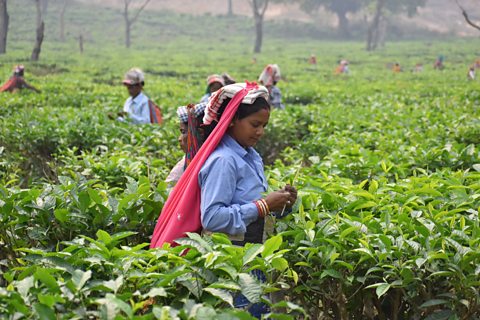 Image source, NurPhoto / Getty
Robert Fortune played an important role in establishing tea as a major industry in India. Working for the Horticultural Society of London, in 1842 Fortune travelled to China to study and collect plants.
Fortune took samples of tea plants from China and attempted to use them to start tea plantations in India. He also imported techniques that were used to create plantations where varieties of tea plant that could grow in the climate of northern India.
One of the most successful tea brands, Liptons Tea, was established by Scottish merchant Sir Thomas Lipton. Born to Irish immigrant parents in the Gorbals area of Glasgow, Lipton built a successful trading empire that generated great wealth from importing tea from India and Sri Lanka.
Image source, NurPhoto / GettyScottish engineers and experts in India
The need for better infrastructure across the Indian subcontinent led to a demand for engineers, architects, and skilled workers and tradesmen. Scots filled many of these roles.
During the 1850s, the Scottish engineer, George Turnbull, built India's first long-distance railway line. Extending over 500 miles, the line stretched from Kolkata to Varanasi. It took over 12 years and involved an Indian labour force of over 100,000 workers.
Born in Blair Atholl, Perthshire, George Wittet as an architect who built some of the most recognisable buildings and monuments in Mumbai. In 1917, Wittet was elected President of the Indian Institute of Architects.
Robert Kydd, a Scottish army officer employed by East India Company, created the Botanic Gardens in Calcutta in 1787. The gardens advanced the study of plants native to India, and explored crops that could be grown to help alleviate hunger and famine.
Scots and politics in India
Scots held influential positions in the Indian civil service and even held the highest office in India – Governor-General.
Thomas Babington Macaulay, the son of a Scot, was an influential politician who had a lasting influence on the Indian subcontinent.
Throughout the 1830s, Babington Macaulay held office as Secretary to the Board of Control and then as a minister in the Governor-General's Council – the British organisations that ran India during this period.
- Babington created India's penal code based on British law.
- His English Education Act of 1835 reformed Indian education and made English the language of education rather than Persian.
The use of English language in schools, colleges, and political administration still persists in many areas of the Indian subcontinent. Many Indian laws also date back to Macaulay's penal codes.
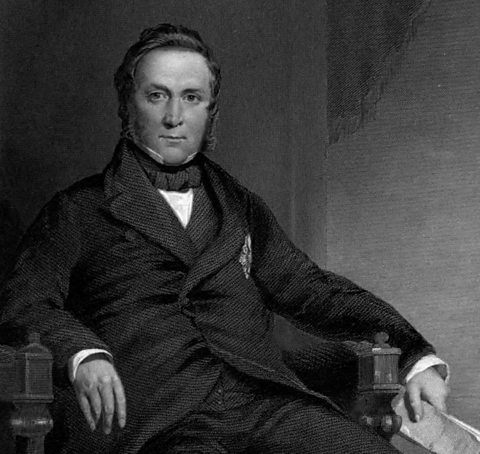 Image source, History and Art Collection/ALAMY
James Andrew Broun-Ramsay was born in Midlothian in 1812. Later known as Marquess of Dalhousie, he was Governor-General of India between 1848 and 1856.
Under his rule:
- Independent Indian territories, such as the Punjab, were annexed by the British.
- He championed education for Indian women and helped set up education institutions.
- He initiated canals, roads and railways to help develop the country.
- He introduced a cheap, effective postal service.
- He introduced the telegraph, to improve communications in the country.
By the end of his time in office, the main route to India was by steamship, which enabled faster sailing times between India and Britain.
Image source, History and Art Collection/ALAMYScots and culture in India
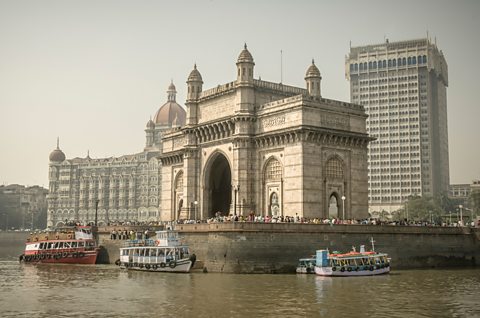 Image source, Laurent Guerin / ALAMY
Scots did not typically settle in India permanently – most returned to Scotland. As such, direct Scottish cultural influences in India are limited.
A notable exception is in modern-day Pakistan, where the city of Sialkot became a major centre for bagpipe manufacturing and Highland dress – even exporting to Scotland.
Scots, often associated with the Presbyterian Church of Scotland, played a vital role in establishing educational institutions.
The Scottish Christian missionary, Alexander Duff, founded the General Assembly's Institution (now the Scottish Church College) in Kolkata, offering a Western curriculum and free education.
Another Scottish missionary, John Wilson, founded the University of Bombay (now called the University of Mumbai) and served as its vice-chancellor. A college was later founded in his memory displaying the Scottish saltire
Image source, Laurent Guerin / ALAMYImpact of Scots on Indian people
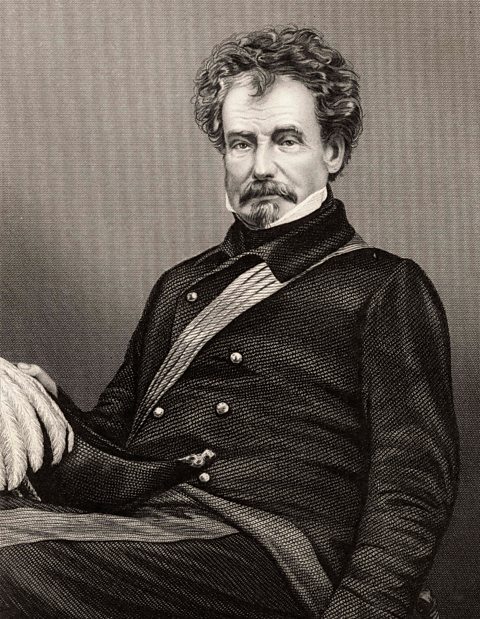 Image source, Classic Image/ALAMY
Scots were also involved in the darker chapters of British involvement in India.
Under the leadership of a Scot – Governor-GeneralJames Andrew Broun-Ramsay – Indian regions were seized by force and fought over by armies that included Scottish soldiers and Scottish officers.
He also introduced the 'doctrine of lapse' which overturned an existing practice by which Hindu rulers with no heir could nominate an individual who would inherit their property and power. The new law saw power passed to the British rulers instead.
In 1856, Broun-Ramsay went a stage further. When the ruler of Oudh in northern India was accused of bad governance, the British took power from him.
Broun-Ramsay was also involved in decisions that imposed British ideas and brought an end to existing traditions and practices:
- He pushed for the end of the practice of Sometimes called suttee. The practice of a widow burning herself on the funeral pyre of her husband. This could be voluntary or through coercion. .
- He gave Hindu widows the right to remarry.
- He granted rights to people who had converted from Hinduism.
All these decisions raised concerns among Indian elites, who felt their power, culture and privilege were being eroded.
Image source, Classic Image/ALAMYSuppression of Indian rebellions
The British military used force to suppress risings and rebellions – often accompanied by massacres, severe punishments, outbreaks of disease and famine – and Scots were complicit in these events.
The Indian Rebellion of 1857 led to the deaths of an estimated 800,000 Indians. The Commander-in-Chief of the British military forces at the time was Glasgow-born Colin Campbell (later 1st Baron Clyde).
The proceeds and wealth generated by controlling these territories was exploited by Scottish companies. Scottish cities such as Glasgow, Edinburgh, and Dundee grew wealthy thanks to trading links to India.
Generations of middle-class Scots pursued successful careers as engineers, architects, and administrators in British-controlled Indian territories.
Test your knowledge
Quiz
Recap what you have learned
Scots played an important role in the British involvement in India and it eventually becoming a key part of the British Empire.
- Scots provided leadership of the East India Company
- Scots provided soldiers and officers in the British Army in India
Scottish merchants and entrepreneurs became very wealthy through trade in and with India:
- jute manufacturers in Dundee built businesses importing raw materials from India and exporting finished goods
- others exported Indian goods such as tea, spices, and timber
Scots provided professional services in running India, such as administrators, doctors, and lawyers.
Many Scots had important roles in India:
- James Andrew Broun-Ramsay was the Governor-General of India who expanded the Indian territories of the British Empire.
- Thomas Babington Macaulay was a politician who devised India's criminal law and also transformed Indian education.
- Scottish missionary, John Wilson, established the University of Bombay (now Mumbai).
- Scots engineer, George Turnbull, built India's first long-distance railway network.
More on Migration and Empire
Find out more by working through a topic
- count13 of 13
- count3 of 13