What is representation?
When we study multimedia texts, representation is the way something or someone is portrayed. At the most basic level, we can usually understand whether an image we see is representing people or things in a way that is positive or negative.
What is representation
Imagine two different newspapers covering a politician. One might represent the politician in a positive way, such as showing a photograph of them looking calm and controlled while giving a speech. The other newspaper might choose to give a negative representation by selecting a photo of the politician falling over or making a silly face while speaking. Both newspapers would be showing the same person, but would have chosen to represent him or her in two completely different ways. The readers of one newspaper would be likely to respond by feeling differently about the politician than the readers of the other paper would feel about them.
Everything we see in the media is a representation from news stories to social media posts.
It is a representation of reality because it is filtered through someone else’s ideas about what is good, bad, fair, funny and so on. The person who writes the news story, takes the photograph or makes the TikTok decides what to show and not show, even if only subconsciously. Therefore, even if they try to be unbiased and don’t lie, they are only showing their own representation of reality, not actual reality itself. This is an important thing to consider when watching different types of media and thinking about how they affect our thoughts and feelings.
Stereotypes
Representations often use stereotypes – oversimplified ideas about what a person, place or thing is like. You are certain to recognise some of the stereotypes we see in the media.
Which of the following stereotypes do you recognise, and why might they be inaccurate representations?
- Teenagers are rude and lazy
- Old people are unsteady and forgetful
- Boys love football
- People who wear glasses are swots and nerds
- Girls are scared of spiders
- Mums do all the housework
- Disabled people use wheelchairs
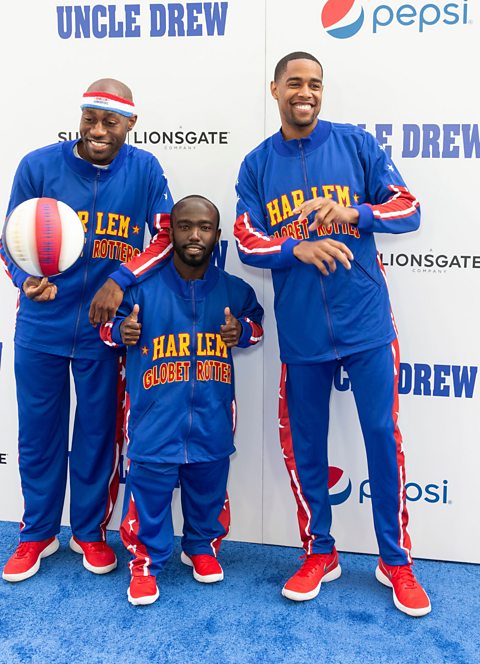
Stereotypical representations can be useful because they are widespread and easy for us to recognise and understand quickly. Unfortunately, they can also create and reinforce prejudices about people’s religion, race, lifestyle, where they come from and what they do. This can cause harm in real life, which is one of the reasons that media representation is so important. Learning to recognise good and bad representations in the media can help you be aware of stereotypes and avoid the assumptions they create.
Test yourself
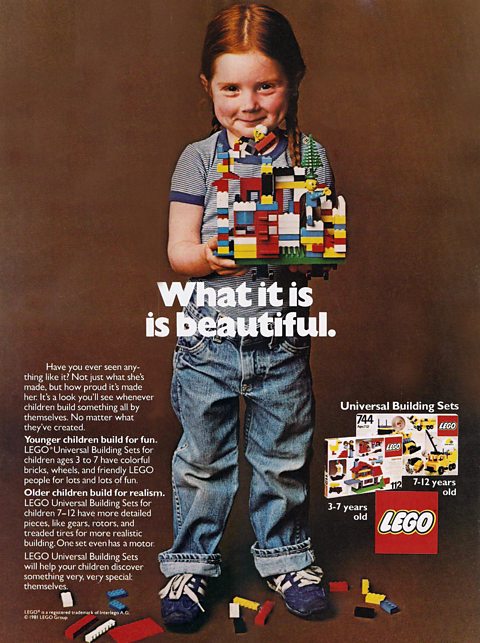
Read the following statements and think about which ones you feel are correct or incorrect.
- There is a girl in this advert because they want to show Lego is for both girls and boys, and girls would have been less likely to play with it
- This girl isn’t dressed in a very ‘girly’ way – no pink or dresses
- The advert should have showed her while she was playing with Lego, not when she’s finished
- Although Lego isn’t just for boys, it’s only for tomboy girls which is why she’s wearing blue and jeans
- The girl has red hair which shows she has a bad temper
- The girl has red hair which is unusual and makes her stand out from brown or blonde haired children
- The girl has red hair which probably doesn’t matter in the representation
- The advert should have showed both a girl and a boy to convey that Lego is for everyone
- The girl is smiling and showing what she has achieved, which is even better than showing her in the process of playing with the Lego
- They don’t mention any difference between boys and girls in the writing at the side
Based on the statements you agree with, do you think the representation of girls in this advert is positive or negative?Why?
More on Introduction to media
Find out more by working through a topic
- count3 of 4

- count4 of 4
- count1 of 4