Key points
- The All substances are made of particles. Density is a measure of how close together particles are. Closely packed particles have a higher density than particles that are spread out. of an object or substance is its How much matter is contained in an object. It is similar to weight, but weight is affected by gravity. An object mass cannot change but its weight can depend on where it is measured. divided by its The amount of space occupied by a 3D shape, measured in cubic units, such as cm³, mm³ and m³. May also be referred to as capacity.:
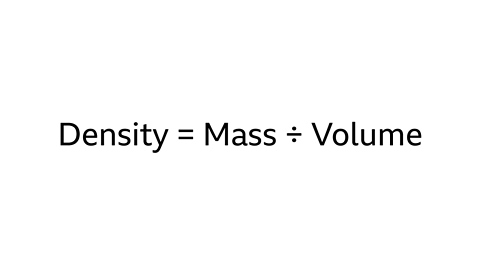
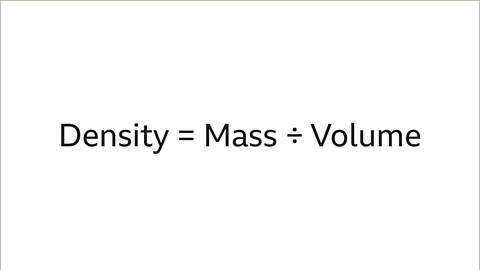
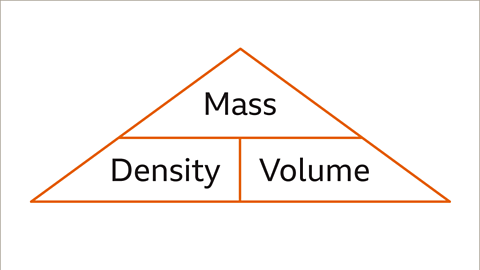
Density = Mass ÷ Volume
The units of density depend on the units used for mass and volume, but are usually g/cm³ (if mass is measured in g and volume in cm³).
The more An object where a large amount of mass is in a given volume. The particles are crowded together. a substance is, the heavier it feels.
Using the formula Density = Mass ÷ Volume makes it possible to compare the density of objects with different The size of an object. of volume and mass.
How to compare solids and liquids
Substances can be compared using density:
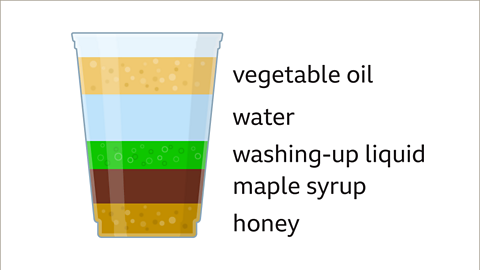
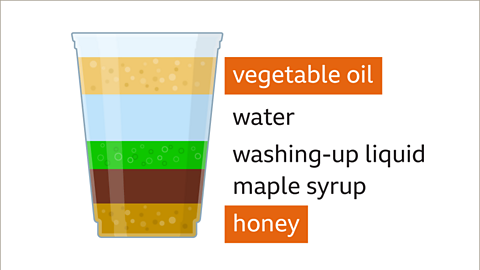
- If two liquids that are mixed have a different density then the least dense liquid would float to the top.
- Different types of wood have a different density. A hardwood has a greater density and would feel heavier than a softwood.
- Objects that are more dense take up less space than the same mass of a less dense material. For example, a Unit of measurement in the metric system. Metric units include metre, centimetre, millimetre, kilometre. tonne of feathers would take up a far greater volume of space compared to a metric tonne of bricks.
Examples
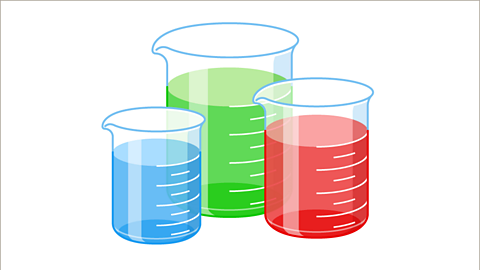
Image caption, When different liquids are mixed together in the same container, their densities will affect what then happens. It will depend on the density of the each of the liquids. If the liquids are different colours it is easier to see the physical effect of density.
1 of 6
Question
Record these three precious metals in terms of their All substances are made of particles. Density is a measure of how close together particles are. Closely packed particles have a higher density than particles that are spread out., from greatest density to lowest density.
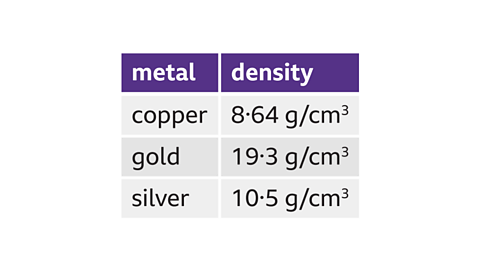
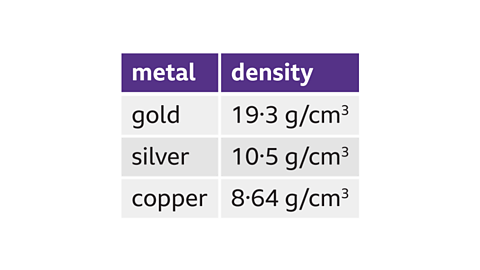
Gold has the greatest density of 19.3 g/cm³.
Silver comes second, with a density of 10.5 g/cm³.
Copper has the lowest density of 8.64 g/cm³.
How to work out density
Density is the mass per unit The amount of space occupied by a 3D shape, measured in cubic units, such as cm³, mm³ and m³. May also be referred to as capacity.. It can be measured in several ways:
A common way to calculate the density of any solid, liquid or gas is to divide its A measure of the amount of matter an object is made out of. Mass is measured in kilograms (kg). in grams (g) by its volume in cubic centimetres (cm³).
If the object is large, then the density would be calculated by dividing the mass in kilograms (kg) by its volume in cubic metres: Density = Mass ÷ Volume.
The units for density will result from the units provided for the mass and the volume.
Example
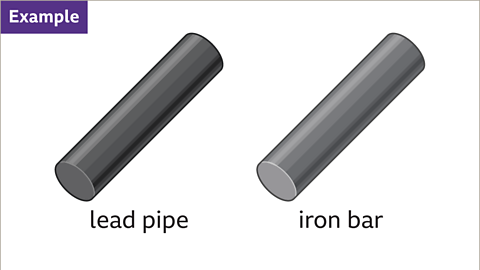
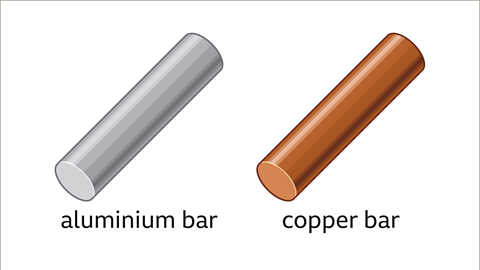
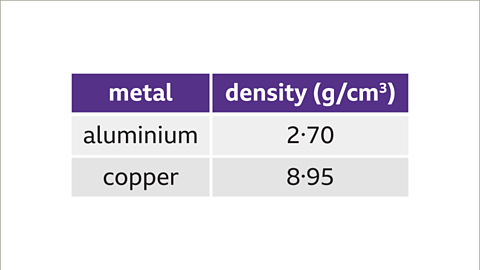
Image caption, Calculate the density of these different types of metals.

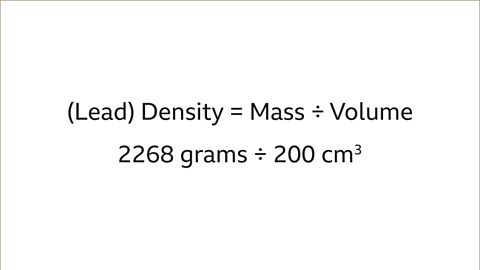
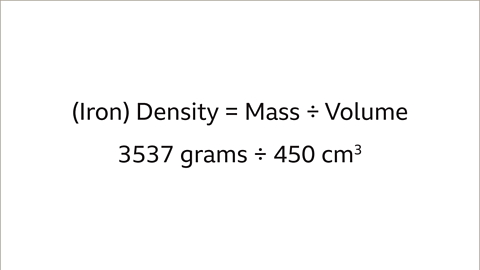
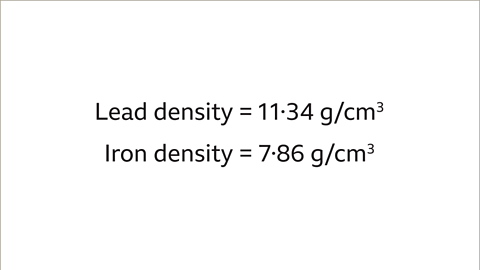
1 of 7
Question
What is the density of a gold necklace that has a mass of 57 grams and a volume of 3 cm³?
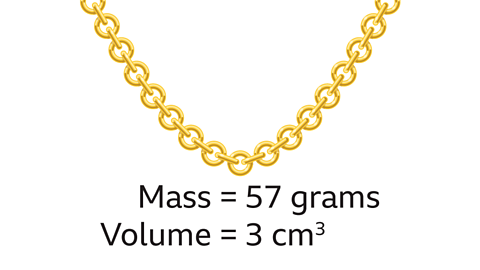
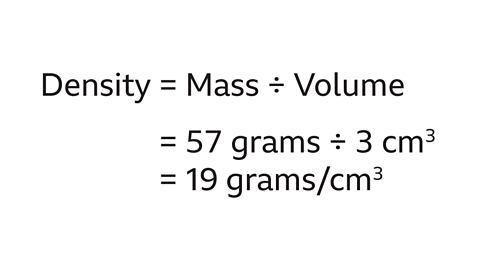
Density = Mass ÷ Volume
57 grams divided by 3 cm³ is 19 grams/cm³.
The density of the gold necklace is 19g/cm³.
Practise your understanding of density
Quiz
Practise your knowledge of using density in maths with this quiz. You may need a pen and paper to help you with your answers.
Play Sudoku with BBC Bitesize!
Every weekday we release brand new easy, medium and hard Sudoku puzzles. Perfect for testing your skill with numbers and logic.

More on Measurement
Find out more by working through a topic
- count4 of 4

- count2 of 4