Resources, labour and closeness to market
Availability of resources
Businesses must ensure that they have sufficient access to the resources they need. In some cases there will be a necessity to locate at very specific sites.
In other cases they will need reliable suppliers nearby who can deliver raw materials, goods for assembly, or even finished goods for retail.
Businesses will also need premises to operate from or sell to customers from.
Availability of labour
Businesses will need to ensure they have sufficient and suitably trained people nearby to employ. So being located near adequate sized population centres can be essential.
Closeness to market
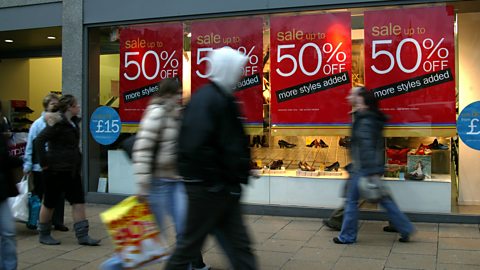
Businesses have to think about locating close to their market. This helps reduce transport costs and delivery times. Locating a business close to potential customers means it is easier for customers to get to and use the business's services or buy its products.
For example, a coffee shop located in a train station will benefit from being near lots of customers who might want a drink and a snack to take on their journey.
Locations where there are lots of people can benefit from what is called When people enter a shop because they see it while walking by rather than because they planned to go there.. This is simply the number of people who pass by your shop or business on their way to work or some other activity.
It is also called The number of people entering a shop during a period of time. and ideally if you are located somewhere near a large population or near a sports stadium, a train station, or other popular shops, then your footfall will be high. The chance that people will come in and purchase something they saw in the window display increases if the footfall is good.
