The treatment of black people and Jews
In addition to being welcomed or persecuted, there were other A person who arrives from another country. groups who were met with indifference.
From what we can tell, Africans living in Tudor England lived quiet lives in a range of occupations including court trumpeter, shoemaker, needlemaker and servant.
How were black people treated?
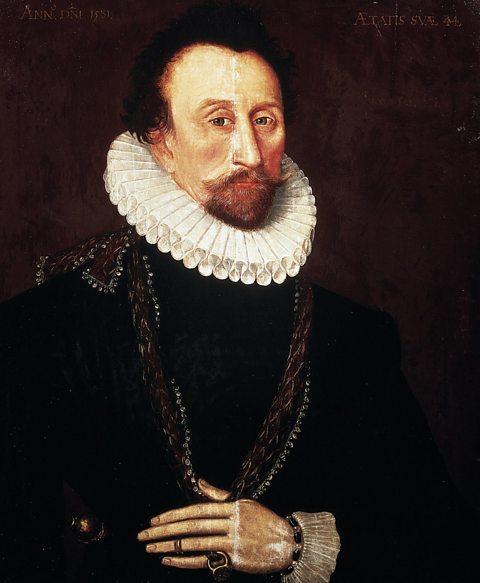
Although the state-sponsored pirates John Hawkins and Francis Drake had begun to be involved in the Portuguese trade in enslaved Africans, black people living in England were free. Racist attitudes existed but were not yet dominant and there are lots of examples of black people being treated fairly at this time:
- when a Dutch sea captain tried to do a deal with Queen Elizabeth I to deport black people from England, the order was drafted but never issued
- when lawyers objected to a black diver giving evidence in court, his rights were upheld
- when John Blanke, one of King Henry VIII’s trumpeters, asked for a pay rise the king granted it. Henry also gave Blanke and his bride a wedding gift
Religious difference mattered far more than ‘racial’ difference in Tudor England and it may have been far easier to be black than to be Christians whose religious leader is the Pope..
Treatment of Jews in Early Modern England
Although there was some opposition from within his own Council, Oliver Cromwell invited Jews to return to Britain in 1656. When the first group arrived from Spain in 1656 they came quietly, settling in East London and building a synagogue. They did not have full rights but they were allowed to trade and work in finance. Small communities grew up in London and some other coastal cities. Some became rich but others were poor street traders who probably experienced prejudice and discrimination.
More guides on this topic
- Migration to Britain c1000 to c2010 overview - OCR A
- Medieval 1000-1500 overview - OCR A
- Reasons for immigration in the Medieval era - OCR A
- Experiences of immigrants in the Medieval era - OCR A
- Impact of immigration in the Medieval era - OCR A
- Immigration in the Early Modern era, 1500-1750 overview - OCR A
- Reasons for immigration in the Early Modern era, 1500-1750 - OCR A
- Impact of immigration in the Early Modern era, 1500-1750 - OCR A
- Immigration in the Industrial era, 1750-1900 overview - OCR A
- Reasons for immigration in the Industrial era, 1750-1900 - OCR A
- Experiences of immigrants in the Industrial era 1750-1900 - OCR A
- Impact of immigration in the Industrial era 1750-1900 - OCR A
- Immigration in the Modern era 1900 - present overview - OCR A
- Reasons for immigration in the Modern Era 1900 - present - OCR A
- Experiences of immigrants in the Modern era, 1900 - present - OCR A
- Impact of immigration in the Modern Era 1900 - present - OCR A
- Migration to Britain c1000 to c2010 - exam preparation - OCR A
