What causes poverty?
There are many different causes of why people find themselves living in poverty. From long-term unemployment to a lack of social mobility, each can play a part in reducing an individual’s income.
Long-term unemployment
To be counted as unemployed in the UK, a person must be capable of work, actively seeking work and available to work. Unemployed people register online or they can call Jobcentre plus.
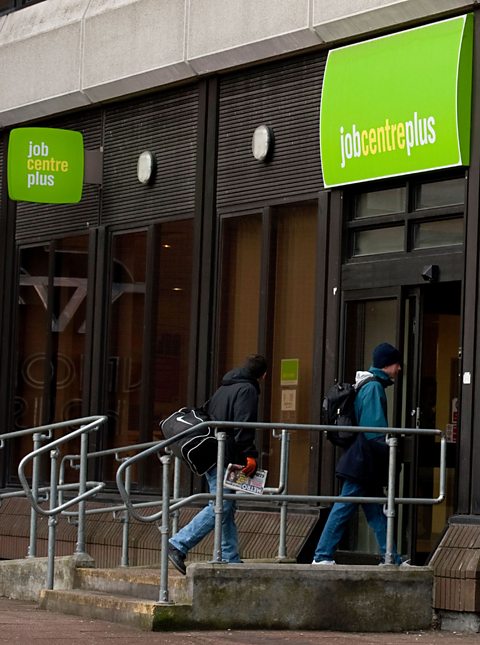
If someone is unemployed long term, perhaps for over 12 months, they may find that they experience multiple problems. For example, long term unemployment can affect a person's mental health, confidence and self-esteem. It can also lead to debt, an unhealthy diet and poor physical health.
Low pay
The National Living Wage (NLW) is the minimum pay per hour which workers must receive by law. From April 2024 the rate was £11.44 for people aged 21 and over.
Workers who are under the age of 21 are entitled to the National Minimum Wage (NMW). The wage rate per hour depends on their age and if they are an apprentice.
| Age | Rate from April 2023 | Rate from April 2024 |
| 21 and over | £10.18 | £11.44 |
| 18 - 20 | £7.49 | £8.60 |
| Under 18 | £5.28 | £6.40 |
| Apprentice | £5.28 | £6.40 |
| Age | 21 and over |
|---|---|
| Rate from April 2023 | £10.18 |
| Rate from April 2024 | £11.44 |
| Age | 18 - 20 |
|---|---|
| Rate from April 2023 | £7.49 |
| Rate from April 2024 | £8.60 |
| Age | Under 18 |
|---|---|
| Rate from April 2023 | £5.28 |
| Rate from April 2024 | £6.40 |
| Age | Apprentice |
|---|---|
| Rate from April 2023 | £5.28 |
| Rate from April 2024 | £6.40 |
Despite the NLW/NMW, many jobs such as catering, cleaning and care sector jobs, are low paid. People working in these types of jobs on the NLW/NMW often don’t earn enough money to cover living costs. They are said to experience “in-work poverty” as their income is not high enough to lift them out of poverty.
The Joseph Rowntree Foundation, reported that in 2023, half a million people in Scotland are living in “very deep poverty.” They found that increasingly families where a member is employed are being pulled into poverty due to housing costs and persistent low pay.
Lack of education
Educational qualifications are one of the main ways in which people can gain well-paid employment. In Scotland, like most countries, higher levels of education usually lead to higher wage levels.
On the other hand, those with few or no educational qualifications or skills often find themselves struggling to access well paid jobs or employment. According to a UK Government report, university graduates earned £10,000 per year more than those who didn’t go to university in 2018.
Homelessness
Well-paid employment is one way out of poverty, but for people who are homeless it can be difficult to find a job when there is no address to which an application can be returned.
Another challenge they may face is the ability to prepare for an interview without the space, facilities to wash and privacy. Day to day survival is often the top priority for people who are in this position, which can make it hard to know what jobs are available.
Social mobility
Social mobility is a term used to describe the way people can improve their position in society. Through education or having any one of a range of skills, can see people improve themselves. However, there is evidence from the Sutton Trust the UK has low levels of social mobility, so that people born in poverty are most likely to remain in poverty throughout their lives.
Gig economy
In recent years, there has been an increase in employment (to about half a million people) in what has been called the ‘gig economy’. The gig economy is the phrase used to describe employment which is characterised as temporary with irregular hours.
For some working in the gig economy, in jobs such as drivers or delivery roles, an irregular income can leave those individuals with too little an income to cover living costs. However, this type of employment can offer individuals flexibility around working hours and days which could benefit people who have obligations such as taking care of a family member or who are in full time education.
