Corporate and leisure groups
A number of guests may be booked in together, for example, business groups, training groups, teaching organisations, charity organisations or a club with a shared interest like trains or gardening.
They usually have a group leader or tour guide that will liaise with the hotel to meet their needs. It is important to remember that all members of the group will not have the same needs.
Typical needs of groups may include:
- ICT facilities to enable the guests to access the internet or emails and to continue with work in the evening.
- Express check-in and check-out for customers so they are not wasting time in reception.
- International newspaper available in the Business Centre for reference purposes.
- Rooms laid out for business meetings to meet the needs of the group.
Corporate
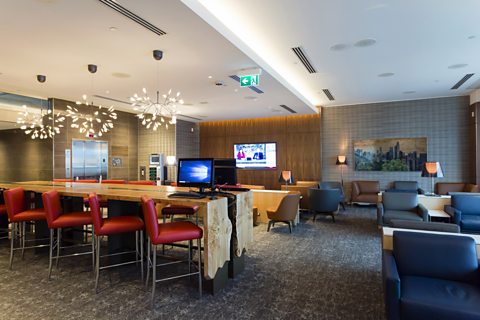
This terms means relating to large companies e.g. business people. Business people are often regular customers who expect efficient and speedy service e.g. room service or laundry faculties.
Services that they may expect include:
- Access to quiet business lounge to work in privacy.
- Quick check in/out service as they do not want to waste time.
- Wake up call to ensure they are not late for meetings or flights.
- Leisure facilities to relax after meetings.
- Newspaper delivered to keep them up-to-date with current affairs.
VIP
This term refers to ‘Very Important Person’, and means that the person has special privileges due to their status and importance or they have a high spending power.
Typical examples of services they would expect include:
- Enhanced security to ensure guest’s safety.
- Menu tailored to suit their dietary requirements.
- Mini bar restocked with preferred drinks.
- Specific times allocated to use the leisure facilities to ensure privacy.
- Dedicated member of staff assigned to meet personal requirements.
- Superior complimentary items placed in room to make guest feel special, like a fruit bowl, champagne, flowers or additional toiletries.
Tourist
This is a person who is visiting or travelling for pleasure. People travel to experience other cultures and to relax, therefore it is important that needs are met so they have a pleasant experience.
They may require:
- Transfer service to collect and return them and from the airport.
- Provision of relevant information on local tourist attractions, like maps and leaflets.
- Opportunity to purchase tickets for tourist attractions or events.
- A range of hotel packages, like accommodation and food included in the overall rate, so they can select the package that best suits their needs.
Families

It is important the establishment makes all members of a family feel welcome.
They may require:
- Highchairs and baby feeding facilities.
- Babysitting services to allow parents to spend some time together with the reassurance children are safe.
- Suitable menu for young children.
- Play area in the hotel.
- Children’s channels on the TV in the bedroom.
- Free Wi-Fi to allow family to access Internet.
Non-English speakers
It is important that staff can communicate with non-English speaking guests. Ideally some members of staff, particularly at reception should speak a foreign language. However, this can be difficult for smaller establishments.
Other methods of communicating with non-English speaking guests include:
- Use of common phrases and words by the hotel staff dealing with customers.
- Locating all guests from the same party on the same floor within hotel.
- Use of pictures and images to help guests locate products or services within the hotel.
- Interpreter to communicate with guests.
- Staff should speak slowly and clearly to allow guests to try and understand key words and phrases.
- Menus printed in a variety of languages to ensure guests know what they will be eating.
- Effective use of non-verbal communication, like smiling, pointing and gesticulating.
