Economic factors
Economic factors are all concerned with the so called ‘levers’ of the economy. These include:
- economic growth
- interest rates
- unemployment
- inflation
- exchange rates
Economic growth
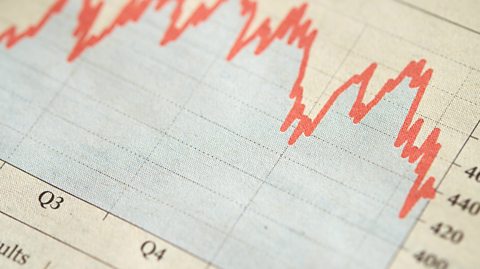
If there is economic growth then more jobs will be created and more tax will be paid.
Interest rates
When interest rates are high, businesses borrow less and invest less. However they receive more interest on money saved in the bank.
When interest rates are low, businesses may borrow and invest more, but will receive less interest on money in the bank.
Unemployment
If unemployment is high, then firms have more potential workers to choose from. More competition for jobs means that it is easier for a business to keep wages down. If the rate of unemployment is low then businesses will have to offer higher competitive wages to secure new employees.
Inflation
When inflation is high, prices rise and customers may stop buying luxury goods and focus on essentials.
Exchange rates
The price of one country’s currency compared to another country’s currency can rise or fall. When there is a fall in the pound it has both positive and negative impacts on businesses. When the exchange rate for the pound falls it becomes weak. A weak pound makes our goods cheaper to sell abroad. However if UK firms need to buy in raw materials from abroad then the weak pound buys less, making the cost of production higher. This extra cost may be passed on to the customers, resulting in higher prices.
