Embedded systems
The purpose and characteristics of embedded systems
As well as A computer designed to be able to carry out a wide range of instructions., there are other types of computer system. The most common of these are known as A special purpose computer built into another device..
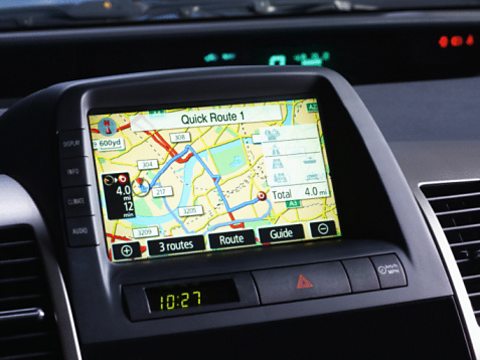
An embedded system is a small computer that forms part of a larger system, device or machine. Its purpose is to control the device and to allow a user to interact with it. They tend to have one, or a limited number of tasks that they can perform.
Examples of embedded systems include:
- central heating systems
- engine management systems in vehicles
- domestic appliances, such as dishwashers, TVs and digital phones
- digital watches
- electronic calculators
- GPS systems
- fitness trackers
Embedded devices are not usually programmable by a user – the programming is usually done beforehand by the manufacturer. However, it is often possible to upgrade the The programs, applications and data in a computer system. Any parts of a computer system that aren't physical. on an embedded device. For example, fitness trackers are embedded systems, but the software can often be upgraded by connecting the device to a PC and installing the new software.
Embedded systems can have advantages over general purpose computers in that:
- Their limited number of functions means they are cheaper to design and build.
- They tend to require less power. Some devices run from batteries.
- They do not need much processing power. They can be built using cheaper, less powerful Central processing unit - the brain of the computer that processes program instructions. .
