
Skin is the largest organ of the human body, and as we age it changes. Parents might not remember the pain of that first pimple, the worry that a spot can bring or the dread fear that acne might ruin social plans 'forever'. But spare a thought for teenagers - how their skin looks is part of their identity at an age when that is key, and with the added pressure of social media and beauty influencers, any imperfections can be very overwhelming.
That's why some teens are turning to the many products on the market that promise solutions, cures and easy-fixes, often ones that aren't age-appropriate. What is the science behind these recommendations?
BBC Bitesize speaks to cosmetic chemist Dr. Michelle Wong, author of The Science of Beauty and creator of Lab Muffin Beauty Science about skincare for teenagers.

What's going on with teenage skin?
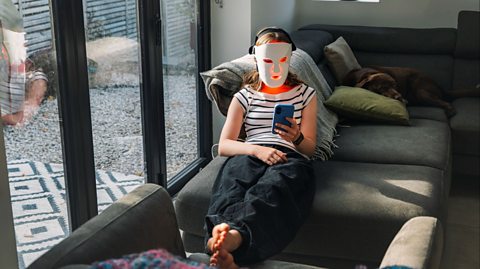
Michelle says "during puberty there are a lot of changes in the body."
"The main one, affecting skin, is an increase in the hormone testosterone, which leads to increased production of sebum (skin's natural oil)."
"As well as making your skin oilier, this also leads to acne. This is because sebum is produced by glands inside hair follicles which can get clogged, leading to acne, which includes pimples and blackheads."
What is a good skincare routine for a teenager?
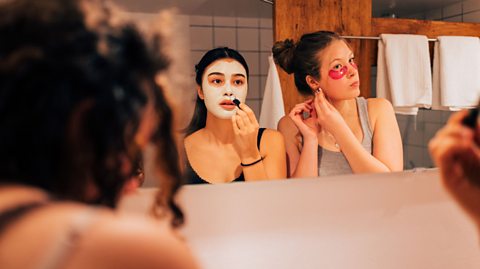
Michelle says:
Sunscreen during the day, and moisturiser if necessary.
Cleansing the skin twice a day with a gentle cleanser.
Acne treatment if necessary.
How to treat acne?
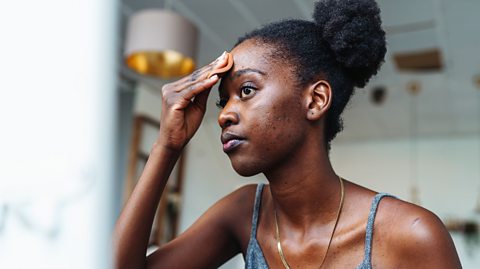
Michelle says "common evidence-based ingredients to look out for include benzoyl peroxide, salicylic acid and sulphur. Hydrocolloid bandages can also be useful for helping acne heal."
"If these aren't effective, or if the acne is leading to scarring or distress, it's a good idea to go to the doctor for medical treatments, which may include oral medications (isotretinoin, oral hormonal medications) or stronger creams."
What types of products should teenagers avoid unless advised by a medical professional?

Michelle says "there aren't really a lot of products that teenagers need to avoid. I would say that expensive and anti-aging products probably aren't going to offer many benefits when your skin is relatively young."
"It's also best to be wary of cheap products purchased from multi-seller shopping sites as they aren't well regulated and may be unsafe."
This article goes into more detail about the sort of things teens are being misinformed about on social media - Skincare and socials: How to help your child have a healthy relationship with their skin
What happens to your skin during the menstrual cycle?
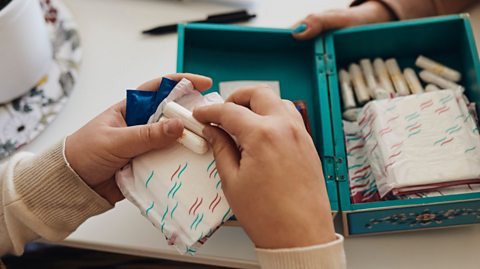
Michelle says "while the menstrual cycle doesn’t affect everyone’s skin, some people might need different skincare products throughout the month."
Here is a breakdown in how skin changes throughout the cycle:
Day one to six
Skin is at its driest which means you might need to use more moisturiser.
Day seven to 13
At this stage skin is less oily, hydrated and thicker. If you're prone to premenstrual flare ups then Michelle recommends that you start using acne products here.
Day 14 to 20
Sebum increases which means your skin gets more oily. So Michelle recommends that you use less moisturiser.
Day 21 to 28
The skin might be more sensitive at this stage, so reduce any irritating products. Here is when conditions could flare-up like acne.
This article was published in January 2026

Bitesize Parenting
Fun activities, real-life stories, wellbeing support and loads of helpful advice - we're here for you and your child.
Teenage hopes and worries and how parents can help
Psychologist Dr Charlotte Armitage gives parents tips on helping their teens through some of the things that are on their mind in 2025.

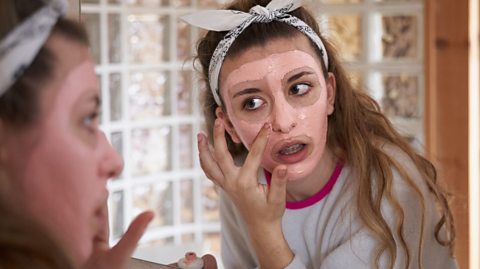
Skincare and social media: How to help your child have a healthy relationship with their skin
With children as young as 8 using adult skincare cream thanks to social media, we offer help and tips in navigating the skincare trends that may affect your child.
School anxiety and refusal: How to help your child get through tough times
Tips to help parents understand emotionally-based school avoidance and offer support to their child.
How to sort out family rows: An expert guide
Family dynamics can cause friction, arguments and bad feelings. Expert advice from a psychologist on why rows happen, steps to calm tension and tips to resolve the issues.

Five ways to help teens snack better
Snacking at school might lead to bad and unhealthy choices - here are some tips on helping your child to enjoy snacking and the benefits of grazing healthily.