What are plants?
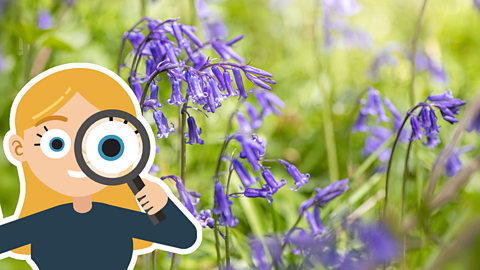
Plants are living things that grow in soil and need water, sunlight and air to survive.
Plants grow all over the world, in our gardens and in the wild.
They can be big, like trees, or small and colourful, like flowers.
Both trees and flowers are types of plants.
Science

Plants come in all shapes and sizes.
Some only live for a short time, while others can live for hundreds of years, like some trees.
Here is some information and activities you could try.
Are plants important?
Plants are very important.
As well as looking pretty, they do lots of important jobs.
These include:
giving us oxygen so that we can breathe
providing food like fruits, vegetables and seeds
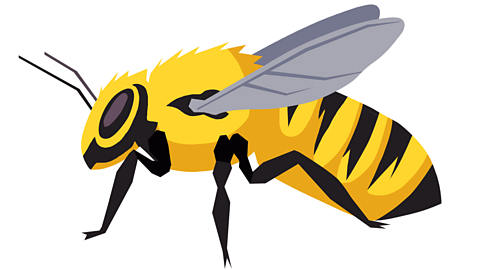
For example, wildflowers give pollinators, like bees and butterflies, food to survive in every season.
Honey bees collect nectar and pollen from flowers to make honey and food.
Different parts of a plant
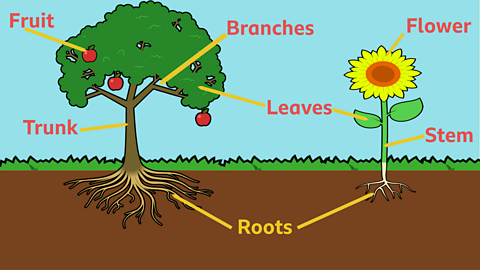
Plants have different parts, each with an important job.
The roots take in water from the soil.
The stem supports the plant and carries water.
Leaves make food using sunlight.
Flowers help plants to grow new seeds and seeds can grow into new plants.
Trees
Trees are tall plants with trunks and branches.
There are different types of trees.
Here are two different types of trees you may have seen in the park or a local green space.
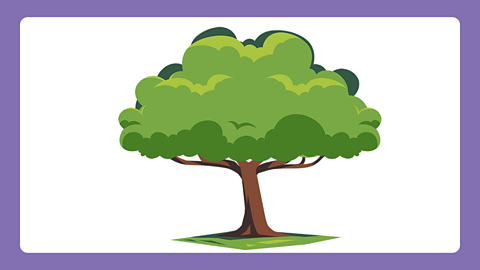
Image caption, Deciduous trees
Deciduous trees like this oak tree, go through changes through the seasons. In autumn, their leaves change colour and fall off. During winter, they have no leaves at all. Then in spring, new leaves begin to grow again.
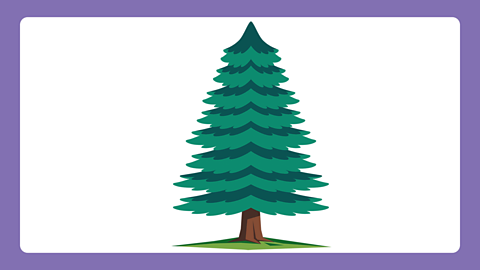
1 of 2
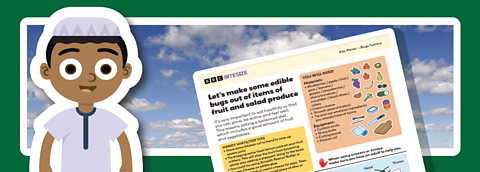
Activity - Yummy bugs
Why not have a go at making some tasty bugs using fruit and vegetables, with this fun activity sheet?
Discover more on KS1 Science
Have a look at the links below to learn more about different plants, seasons and nature.
What are minibeasts?
KS1 Science
Seymour Science: Smashing Seasons. game
KS1 Science game
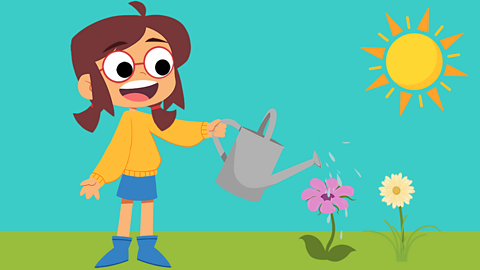
What does a plant need to grow?
KS1 Science
Geography

Plants grow all around the world and can grow in very different places.
Some plants can grow in hot, dry places, like in the desert.
Some can grow in very cold places, like in the Arctic tundra.
Have a look at this information and try the activities to learn more.
Plants around the world
Plants are different around the world because of such things as:
- the type of soil they grow in
- how much sunlight they get
- how dry or wet the weather is
Plants adapt to grow in the conditions where they live.
This slideshow tells you more about where different plants grow around the world.
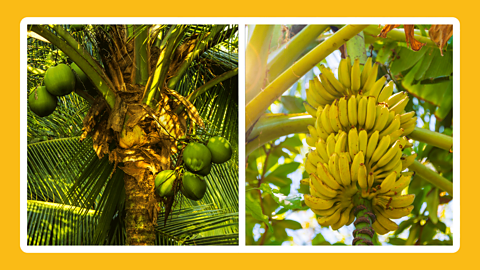
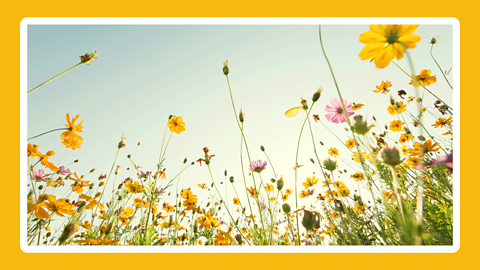
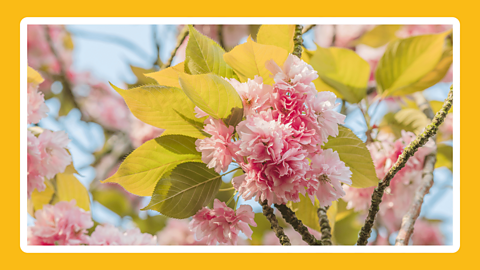
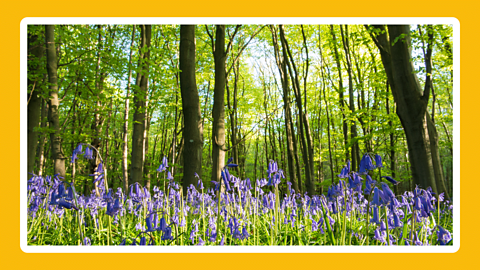
Image caption, Tropical plants like bananas and coconuts grow in warm, wet countries.
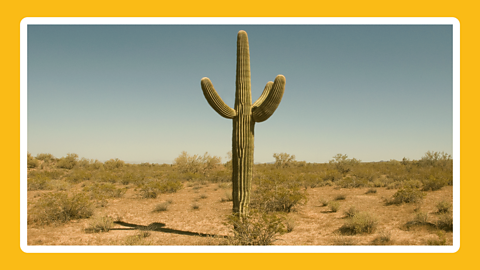
1 of 5
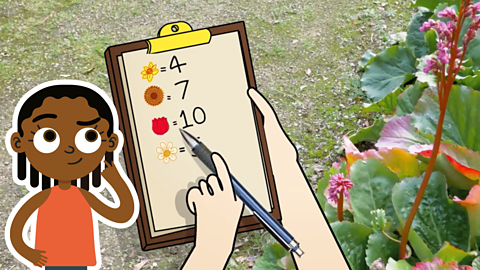
Activity - Plant spotter
Have a look at the different types of plants that are growing in your local area, such as a garden, a park, or even your school. Make sure you take an adult with you.
Things to look out for:
How many types of plants can you spot?
How many different colours of plants can you count?
Where are the plants growing?
You could record your findings on a pictogram or draw your favourite plant.
Discover more on KS1 Geography
Take a look at these links to learn more and improve your geography skills
What is fieldwork?
KS1 Geography
How can we look after our environment?
KS1 Geography
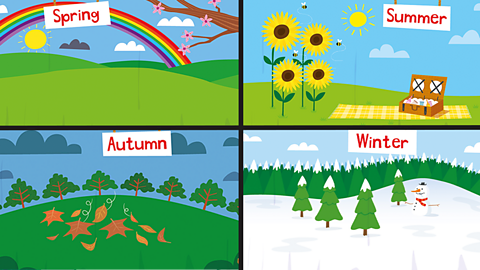
UK weather and seasons
KS1 Geography
Art and Design

Plants have been painted and drawn by artists for centuries.
Artists might paint flowers, trees or gardens to tell a story or to make their paintings more colourful and interesting.
Here is some more information and fun activities you could try.
Famous artists
There have been many well-known artists who have painted plants and nature.
Have a look at this slideshow to learn about three famous artists who have used plants and flowers in their art.
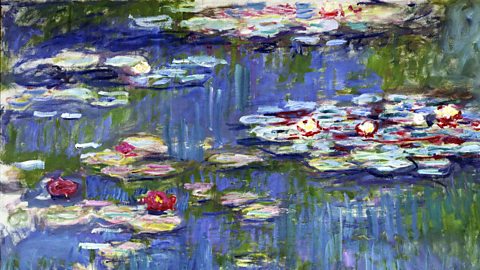
Image caption, Claude Monet
Claude Monet was a French artist. He is known for painting plants and nature in a bright and colourful way. This picture is part of his 'Water Lilies' collection.
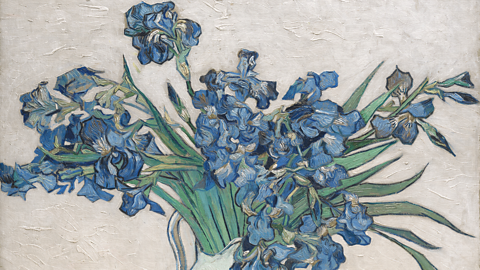

1 of 3
Activity - Creative Lab game
It's time to get arty! Create your own plant picture in this fun art and design game.
Creative Lab. game
KS1 Art and Design game

Discover more on KS1 Art and Design
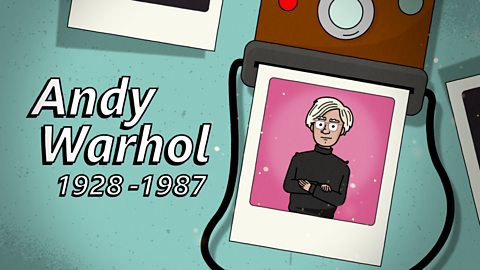
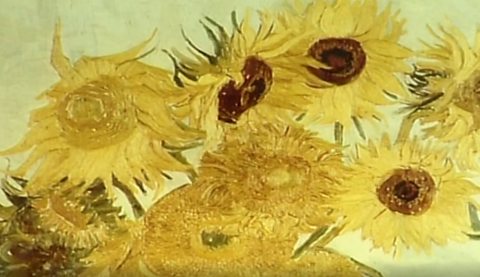
You can learn more about Andy Warhol, Vincent Van Gogh and other famous artists by looking at these articles.
Who was Andy Warhol?
KS1 Art and Design
Vincent Van Gogh
BBC Teach KS1 Art and Design
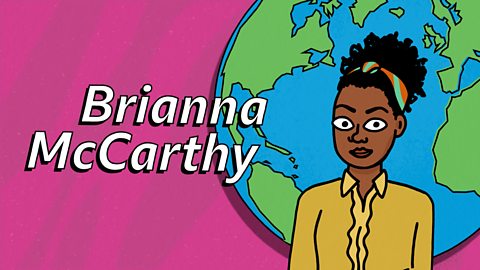
Brianna McCarthy and collage
KS1 Art and Design
English

People have written about plants in stories and poems for many years.
They use lots of interesting words to describe them.
Why not have a look at the information, videos and activities below to find out more?
Vocabulary to describe plants
Vocabulary is the collection of words that you use.
You can use vocabulary to describe the plants in our writing, such as:
- colourful
- prickly
- crunchy
Watch this video to learn some more words to describe plants.
Jasper and Aria are looking after the plants in their garden, where they grow all sorts of fruits and vegetables. How many do you recognise?
Glorious green plants!
Plants are glorious! And they’re everywhere!
Lush grass and fragrant flowers. You might find those in a garden or park.
Crunchy vegetables and juicy fruit are plants we eat.
In an allotment, Jasper picks a runner bean off a healthy vine while Aria pulls a potato plant out of the ground.
Some grow underground like potatoes and carrots.
Others at the top of tremendously tall trees. Like apples and pears.
A bright red apple drops onto Jasper’s head.
Even trees come in many shapes and sizes.
From prickly bushes with big wide leaves.
To towering pine trees with their sturdy trunks.
They stay green all year round because they're evergreen.
Fast forward through the seasons.
And they drop pine cones that are full of seeds.
With a little water and sunlight, the seeds will grow into more plants!
Timelapse of the seeds growing into a sapling as rain and sunlight shine down on it.
Activity - Read along to a poem
Harry Behn was an American writer who wrote lots of poems and books.
He wrote a poem all about the wonder of trees.
Click on the link below to read along to his poem.
Can you spot the reasons why he thinks trees are so special?
When you have finished, why not have a go at writing your own poem about plants?
Trees by Harry Behn. activity
KS1 English

Discover more on KS1 English
Take a look at these links to learn more exciting vocabulary that will bring your writing to life!
Disco dance vocabulary
KS1 English
Musical mayhem vocabulary
KS1 English

Funny friends vocabulary
KS1 English
Quiz
Can you remember the different parts of a plant?
Have a go at this quiz to find out!
More resources from the BBC
You can find many more amazing resources from around the BBC.
Click the links below for more ideas on plants.
How to start growing plants at home
Bitesize Parents' Toolkit
What are pollinators?
The Regenerators
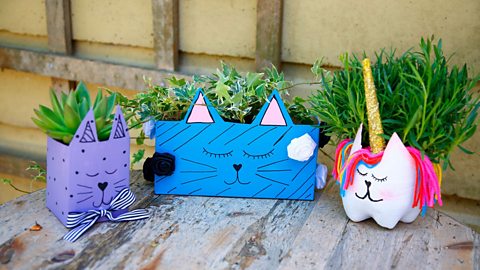
How to make a DIY animal vase with your child
Bitesize Parents' Toolkit
Where next?
Play BBC Bitesize educational games! game
Fun, interactive games for children aged 4-11, with maths, English, science, history and many more subjects.