A multi-faith or a multi-cultural society is where lots of different faiths live side-by-side, like the UK. Living alongside people with different religions and traditions can be a wonderful experience, but it can also have its challenges. Problems can arise when there is a lack of understanding, so it is important for people from different faiths to come together and engage in discussion in order to better understand one another.
Explore the issues
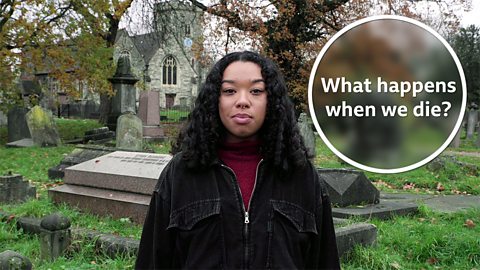
Watch Shola as she explores religious and non-religious teachings life in a multi-faith society.
We live in a multi-faith society. So what can people of different religions and beliefs do to get to know each other better?
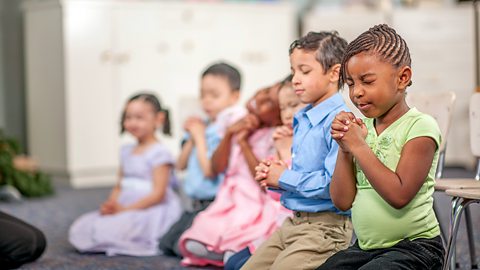
Here in the UK, we're lucky to have religious freedom, which means we're welcome to believe or not to believe in whatever religion we like, as long as it isn't interfering with other people's rights. Most people think this is a good thing because it means we have a fantastically lively culture that keeps developing: lots of different ideas, stories, food, music, fashion and the opportunity to learn about other people and what makes them tick.
However, some people feel more comfortable living with other people just like them. But if we don't mix, if we don't have real dialogue, then there can be problems with prejudice and discrimination. Prejudice means to judge someone before you get to know them. Discrimination is when someone does something because of their prejudice. So if someone is prejudiced against people of a different religion, they might treat them unfairly. And this can affect the way people are treated at school, work and life in general.
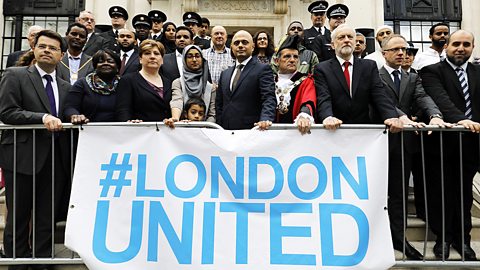
There are interfaith organisations which give people of different beliefs the chance to get together. These organisations think that the way to solve problems of prejudice and discrimination is for people to talk and to be willing to learn about each other and from each other. This is called interfaith dialogue.
Although the major religions each have their own particular beliefs, they all teach a version of what's called the golden rule, which goes: treat other people as you would want to be treated.
Many Hindus believe that all religions are paths to God. A famous Hindu called Mohandas Gandhi once said religions are different roads converging to the same point. What does it matter that we take different roads as long as we reach the same goal?
So interfaith groups set up discussion forums, visit schools to take lessons, invite different faith communities to share in each other's festivals, and even help with conflict resolution where there have been disagreements. All to help people understand each other's beliefs better. As well as accepting that people of different faiths and cultures should be free to live in Britain without facing unfair discrimination, interfaith groups of religious and non-religious people work together to end discrimination.
There's still a lot of work to do if we're going to make Britain a truly multi-faith country. A fair place for everyone to live in, whatever they believe.
So what's your experience with multi-faith Britain and how can you help in the struggle against discrimination?
The Church of England
Some people regard the UK as a Christian country. Historically, the vast majority of British people were Christian and many of the UK’s traditions, laws and values are based on Christianity. An example of this is school holidays, where schools close during Christian celebrations like Christmas and Easter. The Church of England remains the officially established religion of England, with the King as its head.
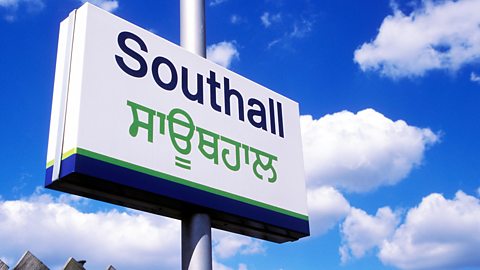
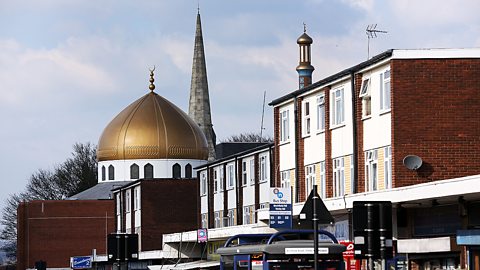
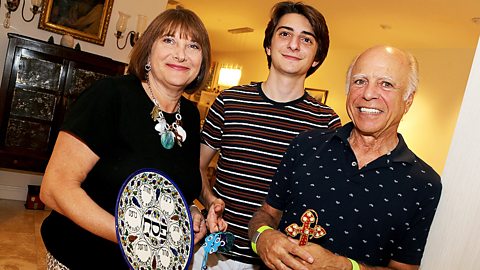
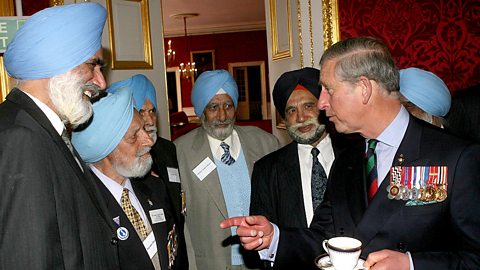
In the UK, people enjoy religious freedom and there are many opportunities for people to prosper financially. This has meant that Britain has become home to people from many different parts of the world, who bring with them different cultures and religions. The UK has a long history of welcoming people from other countries and is now home to people from all the world's major religions, such as Judaism, Islam, Buddhism, Hinduism and Sikhism. Throughout the UK, especially in large cities, you will see many religious buildings such as mosques, temples and gurdwaras alongside Christian churches and chapels, in which people practise a variety of different faiths.
Interfaith dialogue
Interfaith dialogue can take many different forms. It could be young people of different faiths having casual discussions about their beliefs and religious practices. Religious leaders of different faiths might gather to discuss their responses to a specific issue, such as the treatment of refugees or climate change, and they may all campaign together as one united voice.
Interfaith dialogue and discussions often happen on social media. There are many online forums that enable people from different faith communities across the world to discuss matters of belief, religious practice, and to share their perspectives on many different issues.
Census results
Religious life has changed enormously in the UK. It is now a much more religiously diverse and multicultural society, made up of people of many different faiths and those who have no faith or religion. Every ten years, the government conducts a census. This is a questionnaire that all households must complete so that the government can get a good idea of the types of people who make up the population.
The census for England and Wales in 2011 showed that, although around 59% of the population identified as Christian, around a quarter said they had no religion. The figures also showed a diversity of other faiths; Islam is the largest faith group after Christianity, with 4.8% percent of people identifying as Muslim.
Words of wisdom
What do religions and non-religious literature and texts have to say about life in a multi-faith society? Click the picture below to explore wisdom and teachings.
Escaping persecution
There has always been a range of religious people living in the UK. Jewish people for example began settling in British towns and cities over a thousand years ago. Over the centuries, Jews have often fled here to escape persecution in other countries. Today there are large Jewish communities in London and Manchester in particular. Islam is the largest non-Christian religion in the UK and is also the fastest growing faith in the world today. Many Muslims first came to busy port towns in the nineteenth century to find work and better prospects to make a living. Some Muslims have come to the UK to escape war, oppression or persecution. In recent times, Britain has welcomed Muslim refugees escaping oppressive regimes in countries like Pakistan or those fleeing from the ravages of war in Syria.
Some would say that religious diversity gives people of different faiths opportunities to engage with each other. This is called interfaith dialogue and there are many interfaith networks that encourage people from different communities to meet and join in discussions together. Sometimes these interfaith networks are established organisations and may involve anyone; from local communities to the most important religious leaders, or even governments. Interfaith networks could also exist as simple, informal meetings or gatherings held in places of worship or community halls, arranged by local people.
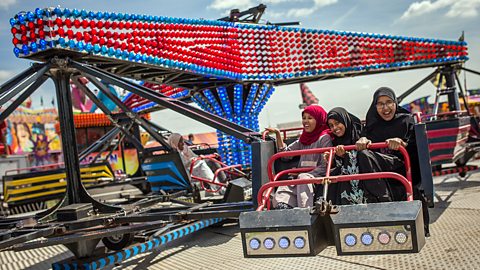
Religious diversity
For many, this religious diversity is something to be celebrated, showing that the UK is a country in which people can truly exercise their right to religious freedom.
However, some people worry that the way of life they have known is becoming lost or overwhelmed due to the presence of many religions. Some people may also worry that religious difference can lead to divided communities, where people live and socialise separately according to their beliefs, rather than being together as part of a wider community.
Multi-faith society in pictures
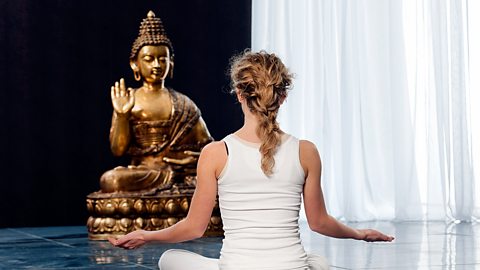
Image caption, Buddhism – Buddhist practices in the UK
Some of the practices, ideas and images of Buddhism have become popular in the UK. Mindfulness and meditation, for example, are rooted in Buddhist tradition and have become widely used in non-religious ways to help people to deal with stress and control emotions. What might some of the advantages and disadvantages be of non-religious people adopting parts of religious practices, ideas and images in their own way?
1 of 7
Quiz
Careers advice and tips from BBC Bitesize
Future careers, further studies and the world of work - we're here to help with advice from experts and from young people who've found their path.

More on Morals, ethics and philosophy
Find out more by working through a topic
- count7 of 8
- count8 of 8