
Gaming, anxiety, time spent on phones and the pros and cons of the rise of AI are just some of the things that teenagers say are on their minds in 2025.
The BBC Bitesize and 5 Live Teen Summit event, heard from more than 2,000 13-18-year-olds across the UK about what matters most in their lives.
You can see more details on the results here and check how you compare to those surveyed with our Teen Summit quiz but to provide a different take on some of the issues BBC Bitesize has teamed up with YouTuber TommyInnit.
Not only has Tom been through the ups and downs of teenage life himself, he's also got a unique take on content creation and social media, having amassed more than 50 million followers across all his channels and socials and championing some of the biggest issues facing young people today. Here's Tom's take on some of the Teen Summit survey results.
Gaming: There is more to it than you think
This year’s survey asked about gaming for the first time, revealing that 94% of teens play video games, with just under a third (31%) doing so daily or almost daily.
For Tom, gaming has been central to his career. He explains that he started playing Minecraft for the pure enjoyment but through his passion for it, it became an avenue to his career, exploring comedy and expanding his horizons. "I filmed myself playing video games and found all these different passions, even like comedy. I found it through the fact that I enjoy making my friends laugh on Minecraft. Gaming was the foundation, it has just been my pure enjoyment for playing Minecraft and other video games."
A very relatable aspect of gaming Tom enjoys is the social connection, “It really connects you with your people. There’s a sense of belonging to that, and especially during winter or when you can’t go out, it’s kept me close to friends who live far away.”
“It really connects you with your people. There’s a sense of belonging to that…
Tom believes games can also spark creativity and can have a mood boosting effect "Games like Minecraft, they're endless. That's had a huge positive effect on my life"
He goes on to explain "If you've got something heavy going on, they're just such a good relief from everything. I love going on walks and hanging out with my mates. But there's just something about losing yourself to a world that you're engaging in and have control in. That's exciting." He also takes a moment to celebrate the game makers "They've been made by a load of people who have put so much effort in to make this the best experience for you. I think it's a beautiful thing really."
But he’s honest about the downsides too. “It can suck up your life if you overdo it. Like drinking, it’s fine in moderation — but if you use it just to distract yourself, it can get toxic.”
Tom strikes his own balance, he adds: "I think it's just that balance really and doing new stuff I've not done before and making sure it's not just gaming, I guess that applies to anything really".

Phones & social media: It's all about balance
According to Teen Summit, more than a third (38%) of teenagers said they spent five or more hours on their phones on an average day, with 1 in 20 spending more than eight hours a day.
When it comes to phones, Tom says he worries more about social media than gaming.
“The bits you truly enjoy are fine. But if you can’t even remember what you just spent an hour doing, resist that pull and do something you actually get something from.”
For him, it’s all about balance: swapping endless scrolling for things that feel genuinely rewarding, like seeing friends or going for a walk.
Feeling anxious: Finding what helps
More than two-thirds (69%) of those surveyed reported feeling anxious at least some of the time. As was the case last year, participants felt most anxious about passing exams/getting good grades and feeling pressure to act a certain way.
Tom says it’s something he knows well. “Anxiety is a big part of my life. What helps is being around people who love you, and doing the things you actually enjoy and connect with.”
“Anxiety is a big part of my life. What helps is being around people who love you.
He’s taken practical steps too — like blocking or deleting apps that didn’t add anything positive. “I was spending hours a day on Instagram Reels or TikTok and getting nothing from it. So I deleted them and turned off notifications."
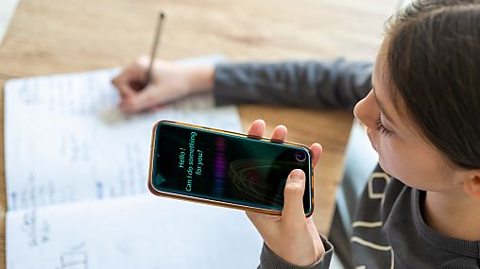
AI: A double-edged sword
Generative AI was another hot topic in Teen Summit. Nearly half of those surveyed (47%) now use AI to complete their homework that is a rise of 18 percentage points since 2023 (36% said they did so in 2024 and 29% in 2023).
On hearing that stat, Tom admits he’d probably have used it for homework if he was still in school! “It’s like sugar — it tastes good but the bad outweighs the good. For smart people in medicine it’s brilliant, but in creative stuff it’s terrible. If I was still at school, I’d definitely have used it for my maths homework.”
He’s also tried using ChatGPT as a sounding board. “It was like therapy at 1am. Then I realised: hang on, am I really confiding in a robot more than my mum?”
It was like therapy at 1am. Then I realised: hang on, am I really confiding in a robot more than my mum?
The Future: Reasons to be hopeful
Despite the challenges highlighted in the survey, 79% of teens surveyed said they are feeling positive about their future. That’s 13 percentage points higher than 2 years ago. Tom feels optimistic about where teens go from here. “It feels like there’s a sense of tension with social media and anxiety — and teens are saying, this wasn’t good for us, so let’s not let it happen again.”
He also sees a new kind of protectiveness emerging for the younger generation, both within himself and his generation.
When asked how he feels personally about the future he replied "I guess I really do feel optimistic about the change that's going to be made and the information and education that's suddenly being made. We need to focus on what's happening to them lads in our country and about mental health. I'm really glad we're doing something now.".
TommyInnit's Advice for Teens
So what tips does Tom have for anyone navigating the same issues?
Find your balance: “Gaming is brilliant, but not if it’s everything. Balance it with new experiences.”
Be mindful online: “If social media isn’t making you feel good, delete the apps or turn off notifications.”
Stick with people who lift you up: “Being around people who love you and treat you well makes all the difference.”
Don’t be afraid to switch off: “Try leaving your phone at home for a walk. See how that feels.”
Question the tech: “AI might look helpful, but think about whether it’s actually good for you before relying on it.”
This article features TommyInnit's personal views. You may have a different take but hopefully his experience might help you figure out what you think about some of the issues discussed more clearly and work towards making your own mind up about what works best for you.
Learn more
Want to dive deeper into the survey findings? Check out the BBC Bitesize Study Support Homepage for more stories, stats and support on the issues affecting young people today.

If you need support
You should always tell someone about the things you’re worried about. You can tell a friend, parent, guardian, teacher, or another trusted adult. If you're struggling with your mental health, going to your GP can be a good place to start to find help. Your GP can let you know what support is available to you, suggest different types of treatment and offer regular check-ups to see how you’re doing.
If you’re in need of in-the-moment support you can contact Childline, where you can speak to a counsellor. Their lines are open 24 hours a day, 7 days a week.
There are more links to helpful organisations on the BBC Bitesize Action Line page for young people.
Are you addicted to your phone?
Take this personality quiz to see what kind of relationship you have with your phone.

Half of teens exposed to conspiracy theories online, survey finds
How research revealed the truth on Avril Lavigne's 'double' and the Roswell 'UFO' crash.

Why gaming can be good for your mental health
Find out how gaming can positively impact mental health.