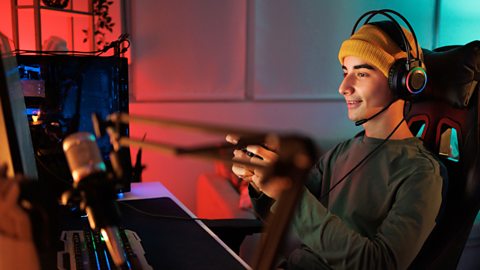
Gaming has become a hugely popular pastime, with the BBC Bitesize and 5 Live Teen Summit survey suggesting 95% of teenagers have played video games.
There are lots of warnings out there about some of the downsides of gaming, but there can also be a lot of benefits.
So, we asked psychologist and digital wellbeing expert Nick Ballou, from the Oxford Research Institute, to break down the pros and cons and top tips for getting the most out of your game time.
Mood management
Research shows that games can be effective for rebalancing your mood – often boosting it more than other activities such as reading, cooking, or listening to music. This is partly because of the immersive nature of games, which capture our attention often more fully than many other activities.

Nick’s top tips for mood management
- Have a range of games you can play depending on your mood.
If you’re low energy (e.g. tired, bored or feeling low) turning to a high-energy game – one that’s fast-paced or strategic can help balance your mood. If you’re feeling high-energy (for example, being nervous or stressed) consider a more mindful game. If you’re feeling thoughtful, emotionally rich games can be a great way to feel something new and different.
- Keep a game diary.
When you finish playing, take 30 seconds to record when you started, when you finished and a note or two about your experience during it, such as your favourite and least favourite moments. I particularly recommend recording what you would have done instead – this is a really useful way of reflecting on how games fit with other activities in your toolkit.
What to watch out for
- Gaming being your only way to manage mood.
People thrive when they have a toolkit of activities they can turn to when they’re not feeling good. This could be creative pursuits, mindfulness practice, a sport or any number of things. When escaping to games, balance it by thinking about what other safe spaces you can escape to.
- Be alert to experiences of feeling controlled
Watch out for games that railroad you into actions, force playing styles on you that you don't like or ones where you feel like you can't improve, or the game doesn't reward you for doing so.
Social connections
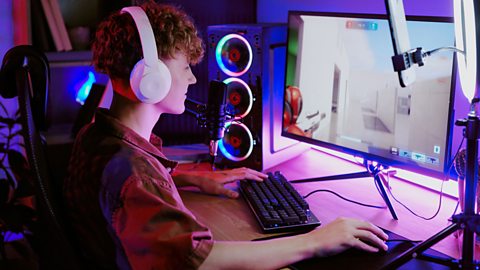
It’s no secret that games can be extremely sociable: more than 80% of gaming happen in a multiplayer mode. Study participants often tell us that games help them enjoy social time more.
Gaming can also contribute to developing wider social skills. Working as a team, coordinating strategy and communicating clearly about goals are all crucial skills for navigating the world.
On average, research tends to show that people feel best when playing with real-world friends, followed by online-only friends and then with strangers.
Nick’s top tip for gaming social connections
- Vary the social context of your gaming.
Do a mix of couch co-op, using voice chat with friends, single-player games with a friend or family member in the backseat, or any other variation you can think of. Then, talk about it! What you liked and what you didn’t and what you want to take forward next time.
What to watch out for in online gaming
Sadly toxic behaviour is common in online gaming and disproportionately targeted at certain groups. For example, close to 50% of gamers now are female and yet sexual harassment remains common – it’s important to minimise your chances of encountering this.
- Be intolerant of toxicity.
Different games’ communities vary enormously in how tolerated toxicity is. If you’re repeatedly encountering toxic players, vote with your time and money by exploring other games whose developers and community have different values.
Identity building
For many people, being someone who plays games is an important contributor to identity development.
There are two ways this can show up:
- Identity within the context of games. This might relate to games or genres e.g. "I am a first-person shooter player”, “I am a Football Manager player”, “I am an explorer”.
- How games can help understand identity more broadly
Games offer a place to try on different roles – to experience life in a different cultural context, as another gender, or a character with a vastly different personality to your own. Nick explains “Growing up in the 2000s in small town New Hampshire USA, it didn’t give me many opportunities to explore what it was like to perform a caretaker role for others – but being a healer in World of Warcraft gave me a platform to experiment with precisely that role.”
Being a healer in World of Warcraft game me a platform to experiment.
Research shows that marginalised vulnerable groups, such as teens who are neurodiverse or LGBTQ+, can particularly benefit from the identity development potential in games.
It’s crucial to make sure that gaming is just one aspect of your identity. Be mindful of the other roles in your life which you inhabit and value, and make sure you’re nurturing those too.
Nick’s top tip for maximising identity benefits are:
- Play as many different games as possible.
Research shows people who find gaming most meaningful tend to play a wide variety of games. Mixing up play helps you spend a day in a hundred different shoes. Each experience refines your understanding of what good game design looks like, and what experiences resonate with you.
How much gaming is too much?
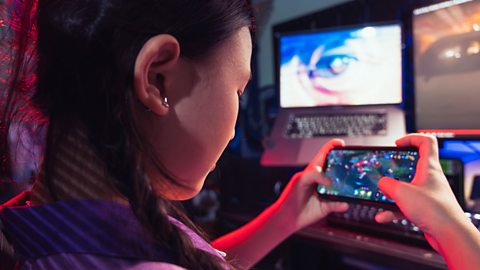
There’s no one number that represents too much. In our studies, we sometimes see people playing several hours a day or more but who are still successful at work or school, happy with their friends and family, physically healthy and satisfied with their life. By all accounts, their gaming is nothing to worry about!
As mentioned above, the key ingredients are quality (who, what, when, where, why), rather than quantity (how much). But at the highest level, one of the key effects to look out for is displacement – gaming taking away time from other important responsibilities.
Ask yourself, if I weren’t playing games right now, what would I be doing instead? Be honest with yourself. If the answer is finishing a school assignment or going for a jog, that’s a good reason to think twice about whether gaming is helpful in that moment. But other answers, like watching Netflix or doomscrolling, might lead you to conclude that gaming is actually quite a good use of that time.

If you need support
You should always tell someone about the things you’re worried about. You can tell a friend, parent, guardian, teacher, or another trusted adult. If you're struggling with your mental health, going to your GP can be a good place to start to find help. Your GP can let you know what support is available to you, suggest different types of treatment and offer regular check-ups to see how you’re doing.
If you’re in need of in-the-moment support you can contact Childline, where you can speak to a counsellor. Their lines are open 24 hours a day, 7 days a week.
There are more links to helpful organisations on the BBC Bitesize Action Line page for young people.
Are you addicted to your phone?
Take this personality quiz to see what kind of relationship you have with your phone.

How to use AI for homework
Find out the best way to use AI for homework, without loosing marks!
Teen Summit - What is on your mind this year?
Find out the common worries for teens in 2025, from AI to conspiracy theories, exam pressure and screen time.