What's in a name?
There are so many famous books through the centuries that are still loved and studied today, which live on, not only through their original format, but in various retellings and adaptations we’ve seen on the small and big screen. We’ve also come to know more about the authors beyond the books, the era they lived in and what inspired their timeless classics.
But throughout time, many well-known authors have published work under different pseudonyms for different reasons. But what is a pseudonym and why have various authors used them?
Here, BBC Bitesize takes a closer look at pseudonyms, why female authors in particular have used them throughout the generations and famous examples from the past to present day. We’ve also highlighted a few female authors of classic literature who you may or may not know used pseudonyms.
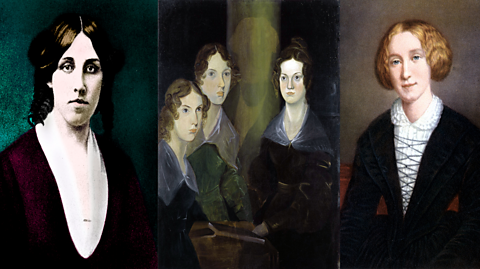
What is a pseudonym?
Throughout time, pseudonyms have been used not only in literature, but in the world of film, television, music and more. But what is a pseudonym?
Well, a pseudonym is a fictitious name someone uses instead of their real name, especially used in written work. Also called pen names, authors often use them to publish their work without revealing their identity for different reasons.
The word originates from the Ancient Greek word pseudṓnymon, which translates to "false name." Pseudonym is pronounced syoo-duh-nuhm.
What famous authors have used pseudonyms?

There are so many famous authors throughout the generations that have used pen names. Whether it reflected the time they lived in, the choice was a personal decision, or they wanted to explore different writing styles without any pre-judgement, we’ve picked out a few examples that you may or may not know.
Author of books like It, The Shining, Carrie and Salem’s Lot, Stephen King’s books and various adaptations span several decades. But for years, he has also published work under the pen name Richard Bachman.
George Orwell is famous for books Animal Farm and 1984 – but his name is not the author’s real name. Born Eric Arthur Blair, the author wrote under the Orwell pen name throughout his career.
Agatha Christie famously wrote murder mystery tales Murder on the Orient Express and Death on the Nile, but for years also published numerous books under the name Mary Westmacott. Other famous examples include Charles Lutwidge Dodgson using the pen name Lewis Carroll, Daniel Handler using the pseudonym Lemony Snicket and Sylvia Plath using the name Victoria Lucas.
Why have female authors used pseudonyms through time?
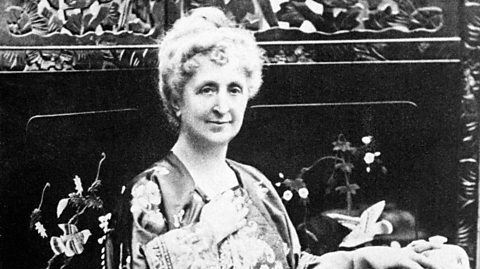
Various male and female authors have used pseudonyms for different reasons, from avoiding different biases to separating their private and public lives and more. But in the 18th and 19th centuries, there are several examples of female authors using a male pen name to overcome gender biases.
At the time, female authors were not as common and were often discouraged from becoming writers as the world of publishing was male dominated. Using a pen name enabled many female authors’ work to be taken more seriously in the field, as well as explore a wider range of genres that may have been deemed less suitable for women to discuss during that period.
This would have protected them from facing any backlash in society, for working in a male-dominated field or writing about taboo subjects. Throughout the generations, many authors – male and female – have used pseudonyms to also protect their privacy and share their work without being in the public eye.
In instances where the author had already published work under their real name, using a pseudonym can also enable writers to explore new genres without readers assuming a book is targeted for a specific audience only. Centuries ago, the real identity of authors was often revealed after their death, but today, various authors have openly discussed their pen names and their decision behind it.
The Brontës
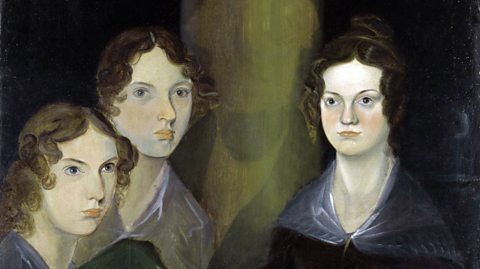
The Brontë siblings – Charlotte, Emily and Anne – grew up in 19th century Yorkshire and penned some of the most-loved novels in history. Among the most famous authors of the Victorian era, they wrote groundbreaking novels which featured strong female characters and explored themes not widely discussed at the time.
The sisters had seven novels combined - Charlotte wrote Jane Eyre, Shirley, Villette and The Professor, Anne authored Agnes Grey and The Tenant of Wildfell Hall and Emily wrote Wuthering Heights. But the world did not know the sisters were the authors behind these popular works until years after they were published.
It was in May 1846 that the sisters first published a volume of poetry under their pseudonyms Currer (Charlotte), Ellis (Emily) and Acton (Anne) Bell - avoiding prejudice, ensuring their privacy and enabling them to write freely about taboo issues in Victorian society. After the deaths of Anne and Emily, it was Charlotte who revealed their true identities.
Louisa May Alcott
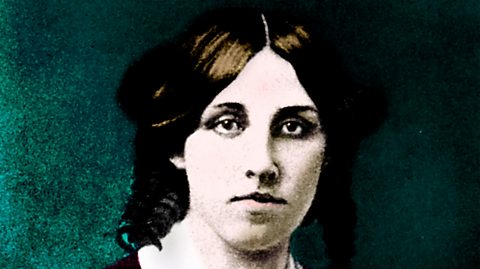
Born in Pennsylvania, USA, in 1832, Louisa May Alcott wrote many books, short stories, novellas and poems in her life. However, the 19th century author is best known for her semi-autobiographical novel, Little Women, published in 1868, and its popular sequels Good Wives, Little Men and Jo’s Boys.
Inspired by her own childhood with her three sisters in New England, the coming-of-age series follows the four March sisters – Meg, Jo, Beth and Amy – as they navigate family life, love and their own ambitions. But earlier in her career, Alcott used a male pseudonym to write several short stories.
Under the pen name A.M. Barnard, she wrote sensational thrillers such as Behind a Mask, The Abbot’s Ghost and A Long Fatal Love Chase, which explored darker themes. These works helped fund the writing Alcott was passionate about, as well as protecting her identity as a children’s author.
Mary Anne Evans
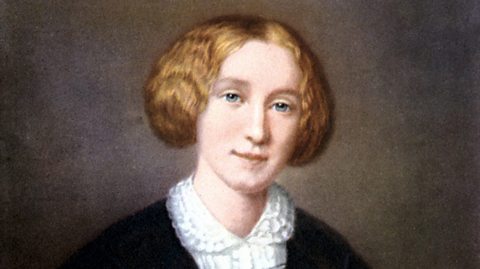
Born in Warwickshire in 1819, Mary Anne Evans wrote several famous books, short stories, poems and more – but if you haven’t heard of her name, it’s probably because she is most known by her male pen name, George Eliot. In the 19th century, the prominent author and journalist penned books The Mill on the Floss, Silas Marner and most famously Middlemarch.
The Victorian masterpiece follows the complex lives of those living in the fictional English town of Middlemarch, during a time of social change. Evans published her first novel, Adam Bede, under the name Eliot in 1859, but her real identity was soon revealed following speculation and false claims of authorship.
However, she continued to publish under the male pseudonym to ensure her works were taken more seriously and not stereotyped like other female authors of the time. Evans is also said to have used the pen name to protect her personal life as she lived with and had a relationship with George Henry Lewes, who was separated from his wife but still legally married.
Pseudonymity vs anonymity
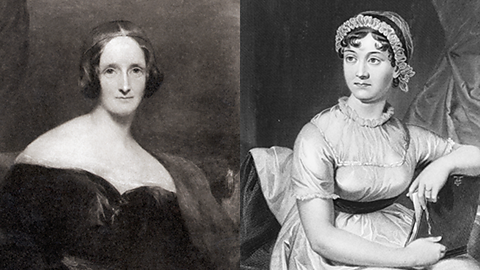
Female authors have not only published works under pseudonyms – they have also published them anonymously, meaning they were not identified by any name. There are numerous reasons for this, such as authors valuing their own privacy, female writers having less freedom to enter the industry, writers wishing to avoid a negative reception for being a female exploring genres outside of romance novels and more.
But perhaps some of the most famous examples of anonymity in female authors are the classic works of Jane Austen and Mary Shelley. A renowned English novelist, Jane Austen wrote classics that focused on middle class society and strong female characters, who were known for their wit and being more outspoken.
Austen only published four books - Sense and Sensibility, Pride and Prejudice, Mansfield Park and Emma. But she did not gain public fame in her lifetime.
Instead, her books were credited as ‘By a Lady’ or ‘By the author of Sense and Sensibility.’ According to Jane Austen’s House Museum, it is not specifically known why Austen published anonymously, but it was an open secret among her loved ones that she was an author.
Born in 1797, author Mary Shelley is best known for writing Gothic masterpiece, Frankenstein. First published in 1818 when she was aged 21, Shelley's famous novel follows Victor Frankenstein, a scientist who gives life to a being of his own creation.
Like many of her female peers, Shelley originally published Frankenstein anonymously in the hopes it would be taken more seriously, as young women were not expected to have careers at this time.
It has also been suggested that it was to protect her identity as a female writer exploring darker themes in a horror novel. At the time, some also speculated and wrongly attributed Frankenstein to her husband, Percy Bysshe Shelley.
After its success, the book was later published under her real name. There are so many other fascinating stories and talented female writers to name – many of whom you may not realise wrote some of literature's most famous and respected works.
This article was written in February 2026
