The inspiring siblings and their famous stories
When you think of the most influential and successful female authors throughout history, there are many literary giants from the UK to name. From Jane Austen to Mary Shelley, the Brontës and more, their works are still studied today and have been adapted many times for film and television.
When it comes to the Brontës, the siblings penned some of the most-loved novels in history. But who were the Brontës and what did they write?
Here, BBC Bitesize takes a closer look at the inspiring siblings, their famous works and how they have inspired readers for generations. You can also take our IYKYK personality quiz to find out which Brontë sibling you are!
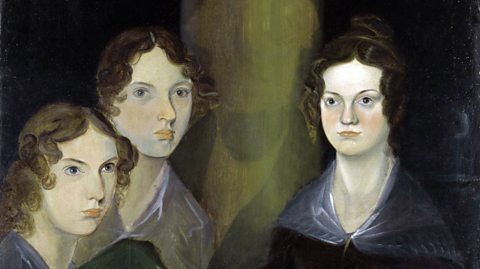
Who were the Brontë sisters?
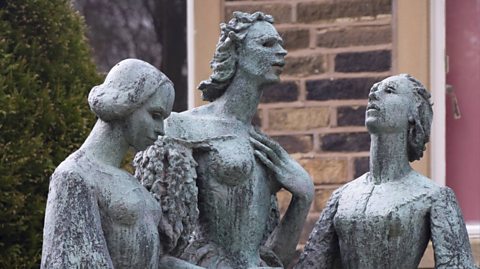
Born in Thornton near Bradford in Yorkshire, the Brontë sisters are famous authors and siblings who have been hailed as some of the greatest writers in history. Born within four years of each other, Charlotte was born in 1816, followed by Emily in 1818 and Anne in 1820.
Close-knit and all with a passion for writing, the sisters lived in the isolated countryside – which inspired the settings in several of their books – and in their lives they worked for a time as teachers or governesses. Among the most famous authors of the Victorian era, their works have been read by generations. They were renowned for their ground-breaking novels which featured strong female characters and explored themes that were not widely discussed at the time.
There are not enough words to describe their impact – but you can read more below to find out about their family life, famous novels and how they are still being retold and adapted today.
How many Brontë siblings were there and where did the family live?
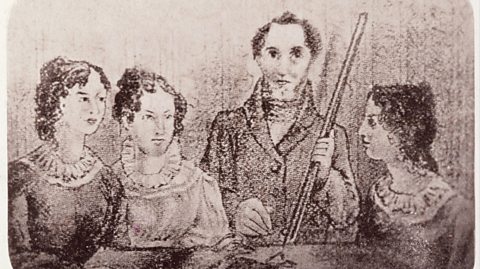
While we know Charlotte, Emily and Anne as famous authors, they weren’t the only Brontë siblings. Parents Maria and Patrick had six children – Maria, Elizabeth, Charlotte, Patrick Branwell, Emily and Anne.
The eldest sisters Maria and Elizabeth died in childhood and the remaining four siblings, Charlotte, Emily, Anne and painter and poet Branwell, grew up in the Haworth parsonage in Yorkshire. It was here that Charlotte, Emily and Anne were inspired to create their imaginary worlds.
The historic area is still known for its connection with the Brontë sisters, who lived and wrote there for much of their lives during the 19th century. Today, tourists can visit their former home, which now acts as a museum celebrating the legacy of the Brontës.
Who wrote Jane Eyre and what is it about?
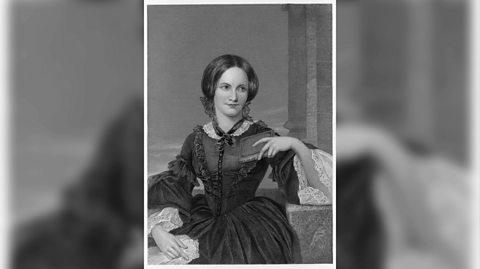
Jane Eyre was written by Charlotte Brontë and was published in 1847. It was the first novel published by the author, who died in 1855.
The story follows the title character, Jane Eyre, and the obstacles she faces throughout her life from childhood to adulthood. In her early life, Jane faces many challenges, from living with her cruel Aunt Reed to the awful conditions at Lowood School.
As an adult, she becomes a governess and we follow the complex love story between herself and Mr Rochester. Key themes explored in Jane Eyre include independence, social class, love, personal growth and more.
Who wrote Wuthering Heights and what is it about?
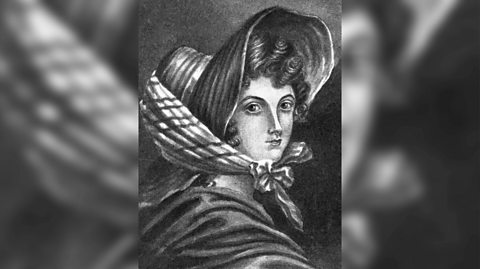
Wuthering Heights was written by Emily Brontë and first published in 1847. It is the first and only novel by Emily, who died in 1848.
The Gothic tale is set in the Yorkshire moors and focuses on two families – the Earnshaws and the Lintons – and their complex relationship with orphan Heathcliff, who was adopted by Mr Earnshaw. At the centre of the novel is the dark love story between Heathcliff and Catherine Earnshaw, who were raised together at Wuthering Heights.
When Catherine marries the wealthy Edgar Linton, a wedge is driven between them. The story is narrated through the perspective of characters Mr. Lockwood and Nelly Dean and explores themes of romance, revenge, grief and more.
Who wrote The Tenant of Wildfell Hall and what is it about?
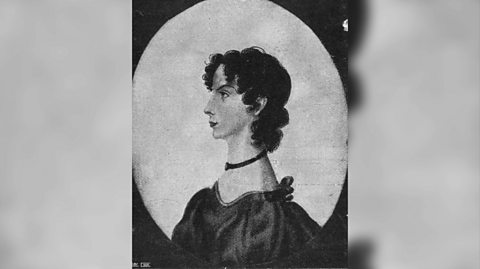
The Tenant of Wildfell Hall was written by Anne Brontë and was published in 1848. It was the first novel published by Anne Brontë and the second - and final - novel she wrote before she died in 1849.
The story follows the mysterious widow Helen Graham who takes refuge with her son at Wildfell Hall. It is there that she meets and forms a close bond with local farmer Gilbert Markham, who eventually learns she moved to escape her abusive marriage and protect her child.
Key themes in the novel explore independence, domestic abuse, inequality, social judgement and more. While Anne’s book is arguably the least famous in comparison to her siblings, it was very successful at the time it was published and even outsold Wuthering Heights.
How many books did the Brontës write and what were their pennames?
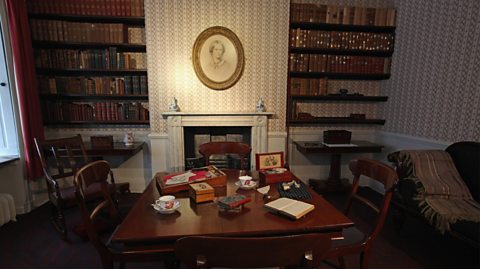
It was in May 1846 that the sisters first published a volume of poetry under their pseudonyms – a false name or pen name – and their real identities as writers wouldn’t be revealed until much later. In the 19th century, female authors were not as common, and women were often discouraged from becoming authors.
To avoid prejudice, ensure their privacy and to write freely about taboo issues in Victorian society, the sisters continued to publish their works under their pseudonyms Currer (Charlotte), Ellis (Emily) and Acton (Anne) Bell. However, after the deaths of Anne and Emily, Charlotte revealed their true identities, immortalising all their works.
Not including their 1846 volume of poetry, the sisters had seven novels combined. Charlotte wrote Jane Eyre, Shirley, Villette and The Professor, Anne authored Agnes Grey and The Tenant of Wildfell Hall and Emily wrote Wuthering Heights.
Are the Brontë stories still told today?
The Brontës' works have remained famous through the generations, and their stories are still told and studied today. With key themes surrounding social class and status, gender roles, social taboos, love and hate and personal discovery featuring across their numerous novels, it’s no wonder these incredible stories have been reimagined and adapted through time.
Inspiring film,television, theatre and music – there are so many to name. Jane Eyre has arguably been adapted the most in film and television - and many will remember the 2006 BBC series with Ruth Wilson and the popular 2011 film starring Mia Wasikowska and Michael Fassbender.
In 1996, Anne Brontë’s The Tenant of Wildfell Hall was also adapted into a BBC miniseries. The following year, Agnes Grey was released as a BBC television film.
In 1978, singer-songwriter Kate Bush released her debut song Wuthering Heights, taking inspiration from Emily Brontë’s famous novel. In 2022, actress Emma Mackey also starred as the lead in Emily, a part-fictional portrait of Emily Brontë.
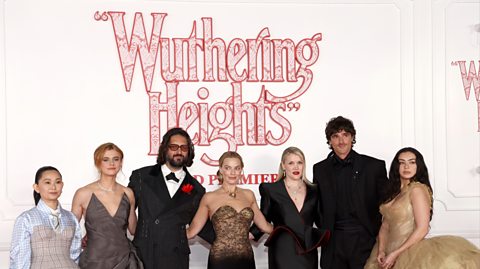
But Wuthering Heights has also been back in the spotlight recently, as a film with the same name, starring Margot Robbie as Catherine Earnshaw and Jacob Elordi as Heathcliff is being released in February 2026. Featuring music by Charli XCX, the film is only loosely inspired by the 1847 novel and as set by the British Board of Film Classification (BBFC), it is rated age 15 and is not suitable for viewers under the age of 15.
When is Wuthering Heights released?
Director Emerald Fennell's Wuthering Heights, starring Margot Robbie and Jacob Elordi, is scheduled for release in UK cinemas on 13 February 2026. It also stars Hong Chau, Alison Oliver and Shazad Latif.
This article was written in February 2026
