EastEnders may be a fictional TV soap, but many of the stories shown on screen are rooted in reality. If you've been watching over the past few weeks and months, you'll have seen the storyline where Joel has been influenced by toxic online behaviour, something that has been on the increase in recent years.
Thursday 9 October sees the release of a 30-minute BBC Three documentary, EastEnders Investigates: The Manosphere, which dives deeper into Joel's story by looking at the real-life impact of the manosphere on young people across the UK. You can watch the documentary on BBC iPlayer from 6am, and on BBC Three at 8pm.
But what is the manosphere, and what can we learn from the documentary? Read on to find out more.
What is the manosphere?
In the documentary, Diane Parrish, who plays salon owner Denise Fox in EastEnders, goes on a journey to discover more about the manosphere after Denise’s stepdaughter in the soap, Amy Mitchell, becomes a target of Joel's behaviour. spoke to Professor Harriet Over from York University, who is a psychologist and expert in online misogyny, Harriet said that: "The manosphere is a whole collection of blogs, influencers, forums…where extremists advocate for the idea that men are superior over women and women ought to be subordinated to men." Harriet said that a lot of the chat within the manosphere is around creating an idea that women are the 'villains', and that anything that boys experience which is difficult can be blamed on women.
Harriet notes that often boys are being targeted at a vulnerable developmental stage when they want to start dating, which is a time when they may face rejection. Research has shown that 69% of boys between the age of 11 and 14 are served content that is negative about women and girls, without ever having searched for it themselves. To test this out, Diane set up an account on TikTok and simulated the behaviour of a 14-year-old boy, it was surprising how quickly she started to be shown some pretty dark content.
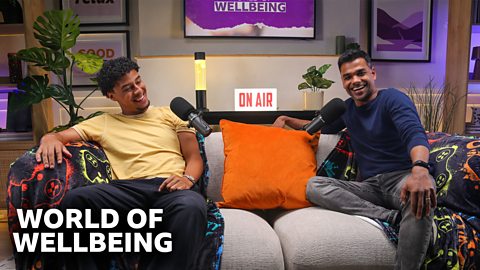
In our World of Wellbeing podcast about toxic masculinity, Dr T told us that: "It’s important to question what you see online. Do your research and fact-check where information comes from to make sure you're not being influenced by harmful views or passing on incorrect information."
What is healthy masculinity?
As part of the documentary Diane and Max Murray, who plays Joel, spoke to Will and Josh, who both used to engage with manosphere content. Josh who is now 15, spoke about how the content started appearing on his feed when he was 12 years old. He said that aspects of the content did positively affect his life, making him think more about his health and career, but he acknowledged that misogynist messages did start to invade his thinking. “When you are surrounded in that space… you're actually finding yourself reinforcing those ideas.”
One masculinity influencer became like a father figure to Will, he said: "I felt there's this sense of what a successful man is, that is portrayed online… having big muscles, having a girlfriend… having a successful job… and I wasn't matching up to that standard." These are some harmful stereotypes about what it means to be a man.
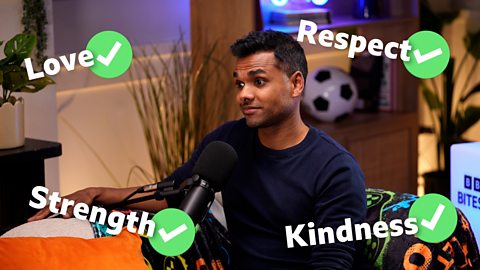
In our World of Wellbeing podcast, Dr T says that: "In today's society and with social media, these toxic ideas and harmful beliefs can be accessed and amplified very quickly, leading to people being exposed to dangerous and extreme views about masculinity." Dr T gives some examples of healthy masculinity, which include being yourself, being honest about how you feel and having an awareness of your own or other people's emotions.
You can watch EastEnders Investigates: The Manosphere from 9 October on BBC iPlayer from 6am, and on BBC Three at 8pm.

If you need support
You should always tell someone about the things you’re worried about. You can tell a friend, parent, guardian, teacher, or another trusted adult. If you're struggling with your mental health, going to your GP can be a good place to start to find help. Your GP can let you know what support is available to you, suggest different types of treatment and offer regular check-ups to see how you’re doing.
If you’re in need of in-the-moment support you can contact Childline, where you can speak to a counsellor. Their lines are open 24 hours a day, 7 days a week.
There are more links to helpful organisations on the BBC Bitesize Action Line page for young people.
World of Wellbeing: What is toxic masculinity?
Wellbeing and education influencer Kit Brown and Dr T break down what toxic masculinity means, how it manifests and discuss toxic vs healthy masculinity.
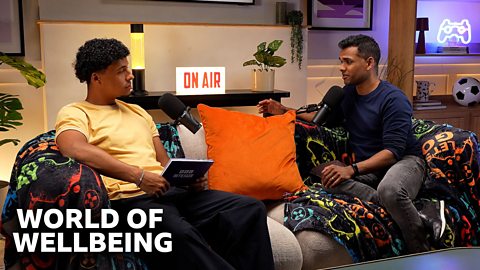
What is body image and how does it affect mental health?
Wellbeing and education influencer Kit Brown and Dr T discuss body image, social media and the pressure teenagers feel to look a certain way.

World of Wellbeing: What is wellbeing and how to tell if yours is good or bad?
Wellbeing and education influencer Kit Brown asks Dr T what is wellbeing? They reflect on their own wellbeing struggles and learn practical tools to improve their wellbeing.