Key points about describing free time activities
Generally used to describe a verb, or actions to add more detail about how something is being done (and when, where or how often something takes place). describe a verb and usually end in mente and are formed from the adjective.
Use the preterite (past) tense to describe a completed action in the past.
This guide contains a video as well as reading and listening practice.
Video - Describing free time activities
Watch the video of Denia explaining how she spends her free time.
Denia describes her favourite activities using present tense verbs
Hola. Me llamo Denia. Vivo en un pueblo que se llama Mijas, cerca de la ciudad, Málaga.
Me gusta hacer muchas cosas para descansar y pasar el tiempo libre, pero aquí están mis cosas favoritas.
Yo doy un largo paseo con mi perros todos los días. ¡Me mantiene en forma también!
Después de volver, juego un poco con ellos.
Sienta.
Denia: ¿Vegetariana?
Más tarde me preparo la cena.
Denia: ¿Queso? ¿Tú no comes queso?
Pero cuando tengo amigos en casa, cocinamos juntos.
Amiga (de fondo): Solo tomate, sí.
Normalmente camino sola o con mis perros.
(De fondo): Es la naturaleza…
Camino por la montaña porque me gusta la naturaleza y así puedo sentir mucha calma.
Practico yoga dos veces por semana porque es muy bueno para mi espalda. Normalmente lo hago durante el fin de semana con algún video en línea en casa.
Lo hago para relajarme con un poco de música tranquila.
También me gusta nadar porque es muy agradable.
Me gusta leer libros de ficción y suspense porque son muy emocionantes, pero no me gustan las novelas románticas porque son aburridas.
Hi, my name is Denia. I live in a town called Mijas, near the city of Málaga.
I like to do many things to relax and spend my free time, but here are my favourite things.
I take a long walk with my dogs every day. It keeps me in shape too!
After I get back, I play with them for a bit.
Sit!
Denia: ‘Vegetarian?’
Later I make dinner for myself.
Denia: Cheese? You don’t eat cheese?
But when I have friends over, we cook together.
Friend (in the background): Only tomato, yes.
I usually walk alone or with my dogs. I walk along the mountain because I like nature and there I feel very calm.
(In the background): ‘It’s nature…’
I practise yoga twice a week because it is very good for my back. I usually do it over the weekend with some online video at home.
I also like to swim because it’s very enjoyable.
I enjoy reading fiction and suspense books because they are very exciting, but I don't like romance novels because they are boring.
Vocabulary - Talking about free time activities
Useful nouns for talking about sport and social activities include:
| Spanish | English |
|---|---|
| Check your connection, refresh the page and try again. | dance |
| Check your connection, refresh the page and try again. | sport |
| Check your connection, refresh the page and try again. | team |
| Check your connection, refresh the page and try again. | sports match |
| Check your connection, refresh the page and try again. | sports centre |
| Check your connection, refresh the page and try again. | social networks |
Useful nouns for talking about other activities include:
| Spanish | English |
|---|---|
| Check your connection, refresh the page and try again. | church |
| Check your connection, refresh the page and try again. | mosque |
| Check your connection, refresh the page and try again. | synagogue |
| Check your connection, refresh the page and try again. | temple |
Useful verbs to talk about sport include:
| Spanish | English |
|---|---|
| Check your connection, refresh the page and try again. | to win |
| Check your connection, refresh the page and try again. | to play (sport) |
| Check your connection, refresh the page and try again. | to stay fit |
| Check your connection, refresh the page and try again. | to score a goal |
| Check your connection, refresh the page and try again. | to improve |
| Check your connection, refresh the page and try again. | to practice, play (sport) |
Useful verbs to talk about social activities include:
| Spanish | English |
|---|---|
| Check your connection, refresh the page and try again. | to go for a walk |
| Check your connection, refresh the page and try again. | to start |
| Check your connection, refresh the page and try again. | to go shopping |
| Check your connection, refresh the page and try again. | to relax |
| Check your connection, refresh the page and try again. | to upload |
| Check your connection, refresh the page and try again. | to play (an instrument), touch |
| Check your connection, refresh the page and try again. | to travel |
Grammar - What are adverbs in Spanish
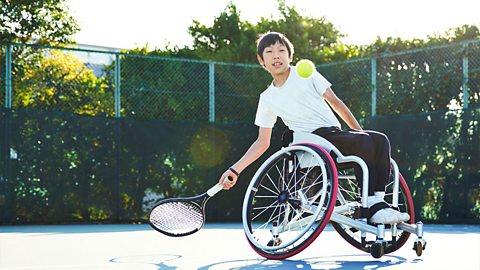
Adverbs are usually used to describe a Word used to describe an action, state of being or an occurrence.. They describe actions and add more detail.
Adverbs can describe how something is being done, eg 'quickly', 'badly', or when, where or how often something takes place.
Most Spanish adverbs end in mente. For example:
Check your connection, refresh the page and try again. - regularly
Check your connection, refresh the page and try again. - slowly
Generally the adverb goes after the verb it is describing. For example:
Juego al tenis regularmente. - I play tennis regularly.
Hugo corre lentamente. - Hugo runs slowly.
How to form adverbs
An adverb can be formed from almost any Used to describe nouns and must agree with the nouns they are describing. in Spanish by adding mente to the feminine Refers to only one object or person. form of the adjective.
For example:
| Adjective | Feminine singular form | Add mente |
|---|---|---|
| Check your connection, refresh the page and try again. (slow) | Check your connection, refresh the page and try again. | Check your connection, refresh the page and try again. (slowly) |
| Check your connection, refresh the page and try again. (regular) | Check your connection, refresh the page and try again. (no change) | Check your connection, refresh the page and try again. (traditionally) |
| Check your connection, refresh the page and try again. (quick) | Check your connection, refresh the page and try again. | Check your connection, refresh the page and try again. (quickly) |
| Check your connection, refresh the page and try again. (recent) | Check your connection, refresh the page and try again. (no change) | Check your connection, refresh the page and try again. (recently) |
Some adverbs are completely Something that does not follow the usual or ‘regular’ pattern. including bien (well) and mal (badly).
These adverbs have to be learned, as they don't follow a pattern. For example:
David juega video juegos muy mal. - David plays video games very badly.
Marta juega muy bien al fútbol. - Marta plays football very well.

Remember
Adverbs are invariable, which means they only have one form and do not change according to Nouns in Spanish are classified into two groups: masculine or feminine. Each noun therefore has a gender. or number.
Useful common adverbs include:
| Spanish | English |
|---|---|
| Check your connection, refresh the page and try again. | before |
| Check your connection, refresh the page and try again. | afterwards |
| Check your connection, refresh the page and try again. | completely |
| Check your connection, refresh the page and try again. | finally |
| Check your connection, refresh the page and try again. | then, after |
| Check your connection, refresh the page and try again. | normally |
| Check your connection, refresh the page and try again. | probably |
| Check your connection, refresh the page and try again. | always |
Adverbs - Mini quiz
What is the Spanish word for ‘quickly’?
Rápidamente is the Spanish for 'quickly'.
Take the feminine form of the adjective, 'quick', rápida and add mente to form the adverb.
What is the Spanish word for ‘badly’?
The Spanish word for 'badly' is mal which is an irregular adverb.
Find out more about adverbs in the Adverbs in Spanish guide.
Reading practice
You’re looking at some online social media posts. Bolivian students, Andrea, Javier and María are describing what they do in their free time.
Read what they say and answer the questions below

Andrea
El sábado pasado jugué en el equipo de mi instituto y ganamos el partido. Sin embargo, me gusta más ir de compras con mis amigas en la ciudad.
Javier
No me interesa ningún deporte. Prefiero pasar mi tiempo libre jugando videojuegos hablando con mis amigos o mirando cosas graciosas en las redes sociales.
María
Creo que una vida activa es esencial. Me encanta bailar y hacer yoga para mantenerme en forma.
Questions
Choose one of the following names to answer each of the questions:
Andrea
Javier
María
Who thinks that staying fit is important?
Who plays for the school team?
Who likes going shopping?
Who likes using social media?
Who does dance?
Who doesn’t like any kind of sport?
Answers
- María
She says Creo que una vida activa es esencial. - I think that an active life is essential.
- Andrea
She says El sábado pasado jugué en el equipo de mi instituto. - Last Saturday I played for my school team.
- Andrea
She says me gusta más ir de compras. - I prefer going shopping.
- Javier
He refers to cosas graciosas en las redes sociales - funny things on social networks.
- María
She says Me encanta bailar - I love dancing.
- Javier
He says No me interesa ningún deporte. - I’m not interested in any sport.
Click on Show more to read the translations of what Andrea, Javier and María have said in their posts.
Andrea
Last Saturday I played in my school team and we won the match. However, I prefer going shopping with my friends in the city.
Javier
I’m not interested in any sport. I prefer spending my free time playing video games and talking with my friends or watching funny things on social networks.
María
I think that an active life is essential. I love dancing and doing yoga to keep myself fit.
Vocabulary - Talking about TV and film
Click or tap on the Show more button to explore vocabulary associated with TV - la televisión or la tele and cinema - el cine.
Useful nouns include:
| Spanish | English | Spanish | English |
|---|---|---|---|
| Check your connection, refresh the page and try again. | action, act | Check your connection, refresh the page and try again. | screen |
| Check your connection, refresh the page and try again.Check your connection, refresh the page and try again. | actor | Check your connection, refresh the page and try again.Check your connection, refresh the page and try again. | film |
| Check your connection, refresh the page and try again. | cinema | Check your connection, refresh the page and try again. | character (in book or film) |
| Check your connection, refresh the page and try again.Check your connection, refresh the page and try again. | costume, costumes | Check your connection, refresh the page and try again. | programme |
| Check your connection, refresh the page and try again. | special effects | Check your connection, refresh the page and try again. | network, internet |
| Check your connection, refresh the page and try again. | entrance, admission ticket | Check your connection, refresh the page and try again. | series |
| Check your connection, refresh the page and try again. | scene | Check your connection, refresh the page and try again.Check your connection, refresh the page and try again. | television, TV |
| Check your connection, refresh the page and try again. | story, history | Check your connection, refresh the page and try again. | reality TV |
| Check your connection, refresh the page and try again. | message | Check your connection, refresh the page and try again. | theatre, drama |
Useful adjectives include:
| Spanish | English |
|---|---|
| emocionante | exciting |
| gracioso/a | funny |
| lleno/a de | full of |
| principal | main |
| triste | sad |
All Foundation Tier vocabulary listed in this guide can be found on the vocabulary sheet below.
Grammar - Using the preterite (past) tense in Spanish
The Spanish preterite tense is used to describe completed actions in the past.
For example:
Fui al cine ayer. - I went to the cinema yesterday.
Bailamos con nuestros amigos. - We danced with our friends.
Mi hermano tuvo una clase de baile. - My brother had a dance class.
The preterite tense is used if the past action had a definite beginning and definite end. It is often used with phrases that give a specific time frame.
For example:
Check your connection, refresh the page and try again. - yesterday
Check your connection, refresh the page and try again. - the day before yesterday
Check your connection, refresh the page and try again. - last night
Check your connection, refresh the page and try again. - last year
Check your connection, refresh the page and try again. - last month
Check your connection, refresh the page and try again. - last week
Remember
The preterite tense is not used to:
describe people in the past
describe or set a scene
describe repeated or continuous actions in the past with no specific beginning or end
Regular verbs in the preterite tense
Most verbs are regular in the preterite tense. This means that they follow a pattern.
For regular verbs, the preterite is formed by removing the ar/er/ir from the Form of the verb that has not been conjugated. Usually translated with 'to' in English, eg to play. to form the The part of the verb that is left once the infinitive ending (ar/er/ir) has been taken off. It can also be called a radical. and adding the preterite endings:
| ar verbs | er verbs | ir verbs |
|---|---|---|
| Check your connection, refresh the page and try again. - to dance | Check your connection, refresh the page and try again. - to eat | Check your connection, refresh the page and try again. - to write |
| Check your connection, refresh the page and try again. - I danced | Check your connection, refresh the page and try again. - I ate | Check your connection, refresh the page and try again. - I wrote |
| Check your connection, refresh the page and try again. - you (singular informal) danced | Check your connection, refresh the page and try again. - you (singular informal) ate | Check your connection, refresh the page and try again. - you (singular informal) wrote |
| Check your connection, refresh the page and try again. - he/she/you (singular formal) danced | Check your connection, refresh the page and try again. - he/she/you (singular formal) ate | Check your connection, refresh the page and try again. - he/she/you (singular formal) wrote |
| Check your connection, refresh the page and try again. - we danced | Check your connection, refresh the page and try again. - we ate | Check your connection, refresh the page and try again. - we wrote |
| Check your connection, refresh the page and try again. - you (plural informal) danced | Check your connection, refresh the page and try again. - (plural informal) ate | Check your connection, refresh the page and try again. - (plural informal) wrote |
| Check your connection, refresh the page and try again. - they/you (plural formal) danced | Check your connection, refresh the page and try again. - they/you (plural formal) ate | Check your connection, refresh the page and try again. - they/you (plural formal) wrote |
Some verbs in the preterite tense have a spelling change in the yo (I) form only.
Here are some examples:
| Spanish infinitive | English | 'I' form in the preterite tense | English |
|---|---|---|---|
| Check your connection, refresh the page and try again. | to play | jugué | I played |
| Check your connection, refresh the page and try again. | to start | comencé | I started |
| Check your connection, refresh the page and try again. | to start | empecé | I started |
| Check your connection, refresh the page and try again. | to practise | practiqué | I practised |
| Check your connection, refresh the page and try again. | to touch/play an instrument | toqué | I touched/played |

For example:
Jugué con mis amigos en el parque. - I played with my friends in the park.
Empecé a leer un nuevo libro. - I started to read a new book.
There is more information about the preterite tense in the Regular verbs in the preterite tense in Spanish guide guide.
Irregular verbs in the preterite tense
Some of the most common verbs in Spanish are irregular. This means that they don’t follow the usual pattern in the preterite tense. They have to be learned separately.
Some of the most useful irregular verbs in the preterite are:
ser - to be
ir - to go
hacer - to make, to do
tener - to have
Click or tap on Show more to see how these verbs are conjugated in the preterite tense.
Note that ser and ir are conjugated in the same way in the preterite tense.
| ser/ir (to be/to go) | hacer (to make/do) | tener (to have) |
|---|---|---|
| Check your connection, refresh the page and try again. (I was/went) | Check your connection, refresh the page and try again. (I made/did) | Check your connection, refresh the page and try again. (I had) |
| Check your connection, refresh the page and try again. (you sing. were/went) | Check your connection, refresh the page and try again. (you sing. made/did) | Check your connection, refresh the page and try again. (you sing. had) |
| Check your connection, refresh the page and try again. (he/she was/went) | Check your connection, refresh the page and try again. (he/she made/did) | Check your connection, refresh the page and try again. (he/she had) |
| Check your connection, refresh the page and try again. (we were/went) | Check your connection, refresh the page and try again. (we made/did) | Check your connection, refresh the page and try again. (we had) |
| Check your connection, refresh the page and try again. (you pl. were/went) | Check your connection, refresh the page and try again. (you pl. made/did) | Check your connection, refresh the page and try again. (you pl. had) |
| Check your connection, refresh the page and try again. (they were/went) | Check your connection, refresh the page and try again. (they made/did) | Check your connection, refresh the page and try again. (they had) |
For example:
Fui al cine ayer. – I went to the cinema last night.
Lo hizo para relajarse. – He/she did it to relax.
Tuvimos una clase de baile la semana pasada. – We had a dance class last week.
Find out more about irregular verbs in the preterite in the Irregular verbs in the preterite tense in Spanish guide.
The preterite tense - Mini quiz
Translate the missing verbs into Spanish in the following sentences:
_______ (bailar) en el concierto.
I danced in the concert.
Bailé
Bailar is a regular ar verb. To form the preterite tense, take off the ar and add é for the ‘I’ form.
______ (ir) al restaurant y (comer) _____ pizza.
We went to the restaurant and we ate pizza.
Fuimos al restaurant y comimos pizza.
Fuimos is the ‘we’ form of the irregular verb ir’.
Comer is a regular er verb. To form the preterite tense, take off the er and add imos for the ‘we’ form.
Listening practice
Marcos is talking about what he did last week.
Listen to the extract and decide what he did on each day.
| Monday | |
| Tuesday | |
| Wednesday | |
| Saturday | |
| Sunday |
| Monday | Marcos went to the cinema with his girlfriend to see an action film. |
| Tuesday | He had a guitar lesson. |
| Wednesday | He went to the sports centre to play basketball with his friends. |
| Saturday | He went to the shopping centre to go shopping with his mum. |
| Sunday | He went on a long walk with his dog, Toni. |
Click or tap on Show more to see the transcript and translation of what Marcos says.
Transcript
El lunes fui al cine con mi novia para ver una película de acción.
El martes tuve una clase de guitarra. Me gusta practicar con un profe de música.
El miércoles fui al polideportivo para jugar al baloncesto con mis amigos.
El sábado fui al centro comercial con mi mamá para ir de compras.
El domingo di un largo paseo con mi perro,Toni. Fue fantástico!
Translation
On Monday I went to the cinema with my girlfriend to see an action film.
On Tuesday I had a guitar lesson. I like practising with my music teacher.
On Wednesday I went to the sports centre to play basketball with my friends.
On Saturday I went to the shopping centre to go shopping with my mum.
On Sunday I went on a long walk with my dog, Toni. It was brilliant.
Vocabulary sheet
Click or tap on the image below for a list of useful vocabulary to use when describing personal activities.

Higher Tier - Vocabulary - Talking about free time activities
Useful Higher Tier verbs to talk about social activities include:
| Spanish | English |
|---|---|
| Check your connection, refresh the page and try again. | to go for a walk |
Useful Higher Tier nouns include:
| Spanish | English |
|---|---|
| Check your connection, refresh the page and try again. | performance, acting |
| Check your connection, refresh the page and try again. | adventure |
| Check your connection, refresh the page and try again. | quality |
Useful Higher Tier adjectives include:
| Spanish | English |
|---|---|
| romántico/a | romantic |
| violento/a | violent |
All vocabulary listed in this guide can be found on the vocabulary sheet below.
Higher Tier - Grammar - Adverbs
Common Higher Tier adverbs include:
| table heading row | table heading row |
|---|---|
| Check your connection, refresh the page and try again. | now, at present, actually |
| Check your connection, refresh the page and try again. | also, as well, besides |
| Check your connection, refresh the page and try again. | fortunately |
| Check your connection, refresh the page and try again. | unfortunately |
| Check your connection, refresh the page and try again. | slow |
| Check your connection, refresh the page and try again. | outside |
Higher Tier - Vocabulary sheet
Click or tap on the image below to download a list of Higher Tier useful vocabulary to use when describing social and personal activities.
Now you have revised the important vocabulary and key grammar points for talking about personal activities why not have a look at the Talking about life at school guide?
Careers advice and tips from BBC Bitesize
Future careers, further studies and the world of work - we're here to help with advice from experts and from young people who've found their path.

More on Free time activities
Find out more by working through a topic
- count2 of 5

- count3 of 5
- count4 of 5
- count5 of 5