What is Parliament?
The Parliament of Great Britain has existed in one form or another since 1707, with the parliament of England dating well back to 700 years ago!
Parliament has gone through A LOT of change since then, but how much do you know about this British institution? We've put together this know-it-all guide answering some common questions about parliament, so you can lord your parliamentary prowess over anyone you meet!
1. Where are the Houses of Parliament?
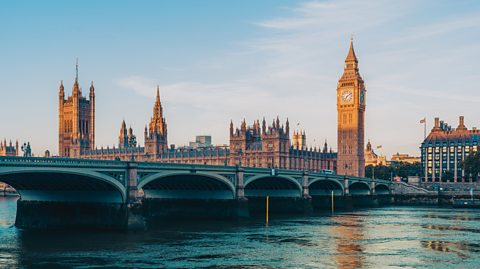
The UK parliament is based in the Palace of Westminster, commonly known as the Houses of Parliament.
Found in Westminster, London, the palace plays host to both the House of Commons and the House of Lords. The palace itself has had something of a turbulent history, with various sections of it burning down from time to time, as well as suffering significant damage during WW2.
Each of the home nations (Scotland, Wales and Northern Ireland) have parliament buildings of their own. The Scottish parliament is based in Holyrood, Edinburgh. The Welsh parliament (also known as The Senedd) is held in Cardiff Bay. Whilst the Northern Ireland Assembly can be found in Parliament buildings in the Stormont Estate, Belfast.
2. What happens in Parliament?
The UK Parliament has four main functions:
- Scrutinising the government, checking and challenging them on the decisions they make.
- Creating and passing new laws
- Debating important issues facing the UK
- Reviewing and approving government spending – such as changes to tax.
It does this in lots of different ways, such as Prime Ministers Questions – where MPs from all parties are invited to question the Prime Minister on decisions taken by the government.
Parliament has played a vital role in the history of the UK, from the victory in WW2, to the formation of the NHS, to passing important bills on civil rights!
3. Who can dissolve parliament?
Dissolution is the official end of a parliament, when all seats in the House of Commons become vacant.
The power to do this lies with the King or Queen but is usually only activated after being requested by the Prime Minister.
This tends to happen at either the end of a parliament’s maximum term (five years from the day it first met) or when a general election is called prior to the end of term.
4. What's the difference between the Commons and Lords?
One of the biggest differences between the House of Commons and the House of Lords is how they acquire their members.
There are 650 members of the House of Commons, who are democratically elected by members of the public in general or by-elections. The House of Lords, on the other hand, is made up of people known as ‘peers’.
Peers, unlike MPs, aren’t voted for by the public. Some peers have inherited their position from a family member, known as a hereditary peer. Other peers are selected by the Prime Minister, who can recommend people to the monarch – who will then officially appoint them.
The two Houses also have slightly different roles when it comes to government policy.
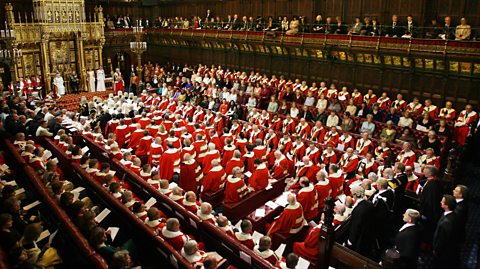
The House of Commons is primarily responsible for creating and passing new laws, known as ‘bills’, and debating important issues that affect the country. While the House of Lords is primarily an advisory House, suggesting amendments and changes to bills.
For example, the Commons alone has the power to make decisions on financial bills, such as taxes. The House of Lords can consider these bills but ultimately is not able to block or veto them completely.
Once the Commons and Lords have come to an agreement on a bill, this is handed on to the reigning monarch, who then officially signs it into law.
What roles are there in parliament?
It takes a village to run a country (wait, that can’t be right…) so we thought we’d break down some crucial government roles you might have heard about on the news or socials!
5. Who is Prime Minister of the UK?
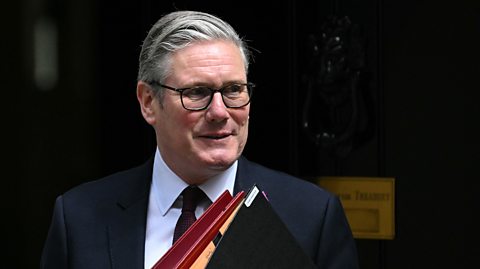
The current Prime Minister of the UK is Sir Keir Starmer, who took the title from Rishi Sunak in the 2024 UK General Election.
Starmer is the sixth Labour Prime Minister in history, with Gordon Brown, Tony Blair, Harold Wilson, Clement Attlee and James Ramsey MacDonald rounding out the list of Labour leaders to take the national reins.
Most UK prime ministers have come from the Conservative party, including both the longest and shortest serving Prime Ministers - Margaret Thatcher and Liz Truss.
The Prime Minister has lots of different responsibilities, including leading the UK government, choosing members of the cabinet, overseeing the civil service and representing the UK and its interests on the international stage.
Whilst the Prime Minister is the leader of the UK government, they are not the UK's head of state. This role resides with the crown, currently filled by King Charles III.
6. What does an MP do?
MP stands for Member of Parliament. An MP is a person who represents a particular area, or constituency, of the UK in Parliament.
Their role is to represent the interests of people in their area, known as constituents, in government – whether that’s voting on national policies, or standing up for something important locally.
There are 650 constituencies in the UK, with each having its own MP.
Alongside their role in parliament, MPs should also spend time in their area, communicating with local people to get a better idea of what matters most to those they represent.
They can do this through “surgeries”, which are like big meetings where an MP can communicate with members of the local community. They can also do this by attending local schools and events, amongst other things.
7. How many MPs are there in the House of Commons?
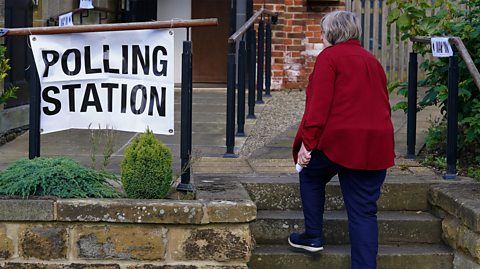
The House of Commons consists of 650 members, who are democratically elected by citizens across the UK.
The current majority party is the Labour Party, which accounts for 399 of the 650 MPs in the House.
The second biggest party are the Conservatives, previously the majority party, with 120 MPs. The House also holds 20 Independent MPs, who are not members of any political party.
The number of representatives for some parties has shifted since the 2024 General Election, usually on account of parties suspending an MP or an MP deciding to leave.
The current breakdown of MPs can be seen below:
- Labour – 399 MPs
- Conservatives – 120 MPs
- Liberal Democrats – 72 MPs
- Independent – 20 MPs
- Scottish National Party – 9 MPs
- Sinn Féin – 7 MPs
- Democratic Unionist Party – 5 MPs
- Green Party – 4 MPs
- Plaid Cymru – 4 MPs
- Reform UK – 4 MPs
- Social Democratic & Labour Party – 2 MPs
- Alliance – 1 MP
- The Speaker – 1 MP
- Traditional Unionist Voice – 1 MP
- Ulster Unionist Party – 1 MP
8. Who is my MP?
Each MP represents a particular area of the UK so who your MP is depends on where you live!
If you're interested in finding out who your MP is, you can use this tool provided by the UK Parliament.
9. What does a cabinet minister do?
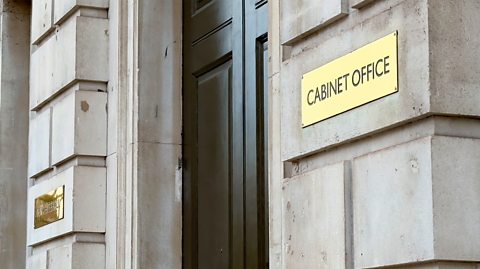
Personally selected by the Prime Minister, the cabinet is made up of around 30 members, who can come from either the Commons or the Lords.
Cabinet members are put in charge of specific issues, such as Health, Education and Foreign Affairs, and are essentially the Prime Minister's go-to group!
The second largest party in the Commons, known as the opposition, will put together a cabinet of their own – known as the Shadow Cabinet.
It is their responsibility to hold their government counterpart to account, questioning them on specific policy decisions within their department.
10. What does a government whip do?
Whips are MPs or members of the House of Lords chosen by each political party to inform and organise other party members in Parliament.
Their main responsibility is to make sure that their members vote for or against issues in line with party policy.
11. What does the Speaker of the House do?
The Speaker is an elected Member of Parliament chosen by fellow MPs to run, or “chair”, debates in the House of Commons.
Their primary responsibility is to ensure that parliamentary rules are followed, and order is maintained in the Chamber.
Once elected as the Speaker, they must relinquish any involvement in party politics and adopt a politically impartial stance in their role - meaning they approach debates fairly no matter their own opinion on the matter.
Glossary of terms
- MP - Member of Parliament. A democratically elected representative of a particular constituency, or area, in the House of Commons
- Constituency - a specific geographical area represented by an MP in the House of Commons. There are 650 of these in the UK.
- UK Parliament - the highest legislative, or lawmaking, group in the United Kingdom.
- Peers - A member of the House of Lords. Most of these, known as 'life peers', are recommended to the monarch by the Prime Minister. Some peers acquire their status from a family member passing it down, these are called 'hereditary peers'.
- Speaker - An impartial chair to House of Commons debates. The speaker is chosen by fellow MPs and is responsible for upholding the rules in the House of Commons.
- Prime Minister - the leader of the UK Parliament.
- Cabinet Minister - chosen by the PM to take charge of a specific government department, such as Defence or Health.
Where can I learn more about Parliament?
This article was published in July 2025.
