There’s a famous expression - ‘it does what it says on the tin’ - meaning what you see is what you get.
A can opener opens cans, washing up liquid gets your dishes squeaky clean and a bar of chocolate is – thankfully – a delicious block of tastiness.
But what happens when the ‘says on the tin’ rule goes out of the window? BBC Bitesize has found a whole range of things that aren’t exactly what their names suggest.

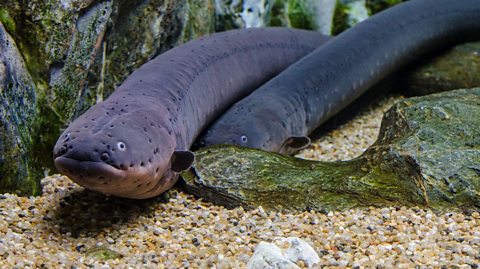
Electric eels
Don’t worry - we’re not about to shatter your illusions by revealing electric eels aren’t actually electric. They are, most definitely, electric - producing strong shocks to scare away predators or stun prey so they can be easily caught and eaten.
What electric eels are technically not, despite their long, thin appearance, are eels. In fact, they are members of the knifefish family and are more closely related to carp or catfish than true eels.
They live in freshwater, in the rivers and swamps of Northern South America, unlike real eels who spend most of their lives in saltwater. Plus electric eels, unlike their namesakes, cannot breathe underwater with gills but instead have to surface for air around every 10 minutes.
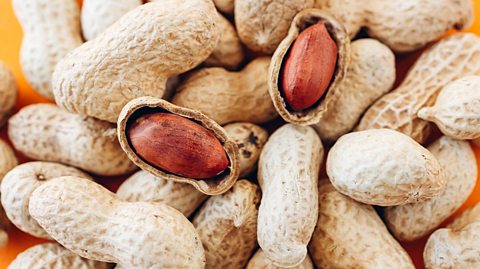
Peanuts.
Here’s a fact to blow your mind - peanuts aren’t really nuts at all. Instead, they belong to the legume family, with peas, beans and lentils as their relatives. The word ‘legume’ comes from the French for vegetable.
While most nuts grow on trees, peanuts grow underground. Just over a month after planting, a peanut plant develops yellow flowers, which die just a few days later to reveal ovaries. These then plunge into the soil, where they turn into pods, and each pod contains a pair of peanuts.
Fittingly, before they became commonly called peanuts, they were known as ground nuts or ground peas.
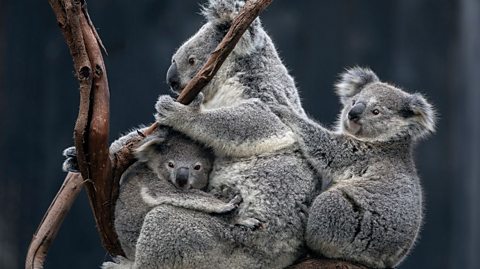
Koala bears
With their fuzzy bodies, roundish heads and fluffy ears, koalas may look a lot like a bear but in fact they are not bears at all. They are part of a family of mammals called marsupials, which are native to Australasia, the Wallacea region of Indonesia and the Americas. This family of animals also includes kangaroos, wombats and bandicoots.
Marsupials are best known for carrying their young in pouches. Unlike humans and most other animals, their babies are not fully developed when born and aren’t ready to go out into the world. Instead, they are nurtured inside a fold of skin and muscle where they feed from their mothers’ teats. It takes just 35 days for a baby koala to develop inside the womb before being born and climbing, without help, into the pouch.
Another main difference between koalas and bears is the shape of their brains. Koalas don’t have a corpus callosum, the bit that connects the two halves of mammals’ brains.
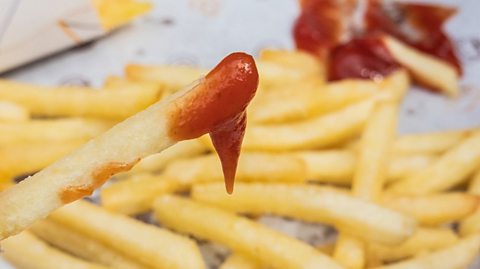
French fries
This one is more contentious as it seems nobody can agree on whether French fries originated in France or would more accurately be named ‘Belgian fries’.
Some people think villagers living along the River Meuse in Belgium would fry potatoes instead of their usual diet of fish when the river froze in winter. It’s even thought that the dish may have been discovered by American soldiers who were stationed there during World War II. They recreated the fries when they returned home and called them French fries after the language they heard spoken in Belgium.
Confidently announce this as a fact however and you are likely to upset the pro-French faction of the great fries debate. They claim fried spuds were first sold by street vendors in late 18th century Paris. Meanwhile, some people claim fries are neither French nor Belgium, but Spanish. This is because the Spanish were the first Europeans to find potatoes in South America.
Whatever the truth, let’s not even get started on whether they should be served with ketchup or mayonnaise.
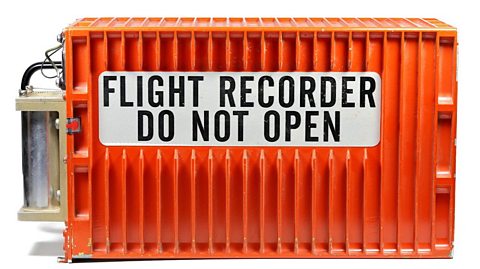
Black boxes
You have probably heard that every aeroplane contains a ‘black box’, which records information that can be used to understand what happened if something goes wrong on a flight.
These boxes record a range of critical data including altitude, speed, direction and even the pilot’s conversation. Because this information is so important to ensuring any disaster is never repeated, flight recorders are encased in a titanium or stainless-steel shell and are insulated to make sure they survive extreme heat and pressure. They also contain devices that send out signals to help search teams find them underwater or in difficult terrain.
Having gone to all this trouble to make sure they will be discovered in one piece, it wouldn’t make a lot of sense to construct them in black, a colour that definitely doesn’t stand out. Today, all flight data recorders have to be bright orange.
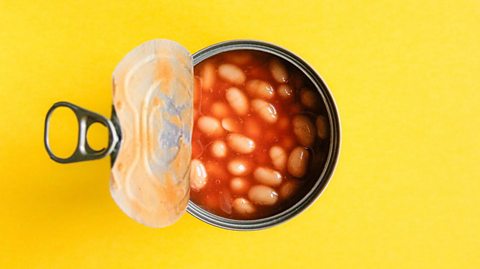
Tin cans
Cans of soup or vegetables tend to be made not from tin - as their name suggests - but from steel or aluminium. As aluminium isn’t as strong as steel, it is the choice for products that aren’t required to have a long shelf life, such as fizzy drinks.
But for food stuffs such as tomatoes, fish or baked beans, steel is used as it's covered in a protective, thin coating of tin which prevents it from being corroded by anything acidic. This material together is called ‘tinned plate’ and the name ‘tin cans’ started out as ‘tinned cans’ but has been simplified over the years.
This article was published in February 2026
Why do these controversial foods divide opinion?
BBC Bitesize takes a look at the scientific factors behind commonly disliked foods.

Why are iguanas freezing and falling out of trees in Florida?
BBC Bitesize looks into the phenomenon of frozen iguanas in the Sunshine State
Teenage dreams: The businesses set up and run by kids
BBC Bitesize takes a look at four young entrepreneurs and the stories behind their businesses