Food preferences differ from person to person, shaped by a mixture of biology, culture, psychology and environment. But some foods are famous for splitting opinion.
From oysters to liquorice, love-it or hate-it foods have sparked passionate debate among families and friends for a number of reasons, ranging from taste to texture. Other foods, like pineapple on pizza, have been slammed for their contentious combinations. But could there be a scientific reason behind why we dislike certain foods?
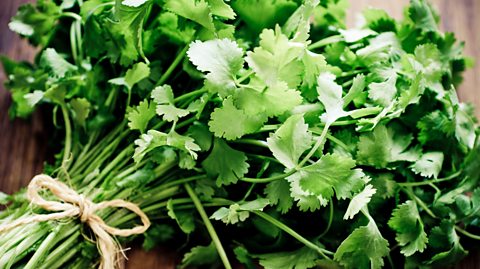
Coriander
Perhaps one of the most well-researched divisive foods, coriander is a fragrant herb used in many dishes across the world. While it is loved by many for its zesty citrus flavour, others describe it as having a bitter and soapy taste.
But polarised reactions to the herb are no coincidence. In fact, scientific studies have found that coriander can taste drastically different from one person to the next depending on your genes.
Researchers have discovered that some coriander-haters possess a gene variation called OR6A2. This gene is known for increasing sensitivity to soapy or unpleasant tastes.
This genetic quirk only affects a small percentage of the population but varies depending on different geographic factors. A 2012 study led by academics at the University of Toronto investigated the prevalence of coriander dislike and found that it differs greatly across different ethnicities and cultural groups. The highest proportion of those reporting a dislike for coriander came from East Asian backgrounds, at 21%, whereas those from the Middle East were least likely to have an aversion to the herb at 3%.
But there is some good news for those hoping to change their coriander loathing ways. Unlike fixed genetic traits, like hair or eye colour, there is some evidence the brain is able to overcome genetic predispositions to certain foods, including coriander. Repeat exposure and creating good experiences with the food, for example by sharing a meal with loved ones, can help your brain produce positive associations with herb.
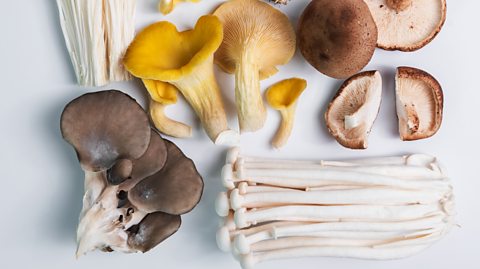
Mushrooms
Chestnut, portobello, oyster – mushrooms come in all shapes and sizes. But mushrooms of the edible variety can split opinion for many reasons. Some cite sensory issues as the main issue, with its slimy and spongy texture being a point of contention.
But if it’s not the texture, it may be an issue with the smell or taste. Many mushrooms and fungi contain a compound called 1-Octen-3-ol, which is the main component of its flavour. The compound creates a dominant aroma which can be found in the button and shiitake variety and is responsible for producing a distinctive earthy, musty odour.
1-Octen-3-ol is famous for attracting insects, such as mosquitoes and can be found in the breath and sweat of mammals.
As well as mushrooms and truffles, 1-Octen-3-ol can be found in other foodstuffs, including cheeses, such as Camembert, as well as shellfish, like oysters.
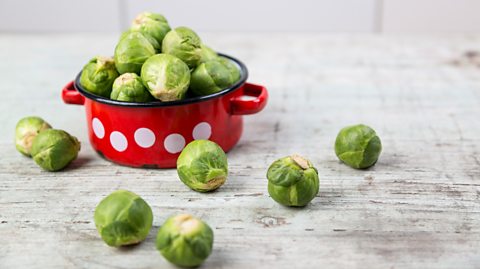
Brussels sprouts
Perhaps most infamous for dividing families and friends at the Christmas dinner table, Brussels sprouts are a classic love-it or hate-it food. The flavour profile of the small leafy green vegetable is described as nutty and sweet when cooked, but others may find their taste buds have been infiltrated by an overwhelmingly bitter flavour.
If this is the case they may have been affected by two copies of a particular taste gene called TAS2R38, meaning that they’re wired to register sprouts as exceptionally bitter.
Research into the sprout gene began by chance in 1931, when a chemist called Arthur Fox accidentally released a compound called phenylthiocarbamide (PTC) while conducting an experiment.
Fox’s interest was piqued when scientists working nearby complained that the released compound left a bitter taste in their mouths, while he tasted nothing.
He began further experiments, testing his family and friends, and found that PTC tasted bitter to some and not to others. Years later, scientists discovered that the ability to taste PTC is genetic and identified the TAS2R38 gene.
Brussels sprouts contain a compound called glucosinolates, which is similar to PTC. It is theorised that this is why the vegetable is so divisive.
A 2011 study found that approximately 50% of the world’s population has a genetic sensitivity to the taste of sprouts.
This article was published in February 2026
Does food taste better when we’re in love?
BBC Bitesize explores the science behind how mood can affect taste.
Have you tried these traditional foods recognised by UNESCO?
BBC Bitesize looks at four food delicacies and culinary practices have been celebrated by UNESCO.

Food and drink which can claim a stamp of authenticity
How sourdough bread, matcha tea, watercress and parmesan cheese can get people talking about the 'right' way to produce it