How peanuts grow and other fun facts
From butter to satay, chances are you've come across a peanut before, but how much do you actually know about them?
Running the gamut from the normal to the nuts, we've put together this guide to answer some of the most common queries around. Like, can dogs have peanuts? How are peanuts grown? And, wait a minute, are they even actually nuts?
1. Are peanuts good for you?
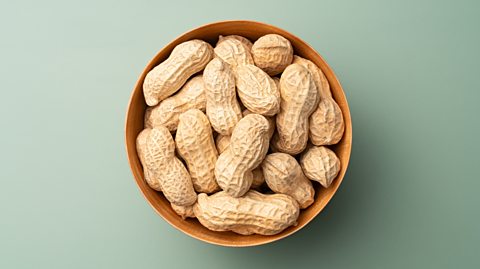
Peanuts can be a fixture of a solid, balanced diet - serving as a good source of protein, fat and fibre.
Some peanuts, including - unsurprisingly - salted peanuts, can contain high levels of salt which can undercut some of the positive benefits eating nuts can provide.
Peanuts are also a very common allergen, so it goes without saying that, for many, a peanut is not a pretty sight in a salad or stir fry.
For those without allergies, however, peanuts can be a good component of a healthy, balanced diet - just try and avoid over-grazing to leave room for other foods as well.
2. Can dogs eat peanut butter?
In some cases, yes!
Dogs are pretty well-renowned for their love of peanut butter, but it's best to be careful when feeding it to your dog. Some peanut butters contain an ingredient called xylitol, which is toxic for dogs - even in small doses. So, if you are after giving your canine companion a nutty treat, make sure you check the label carefully beforehand.
As far as peanuts go, unsalted and dry-roasted peanuts are best - but still only in small doses! Be sure not to give your dogs peanuts with too much salt, or nuts covered by coatings like chocolate.
Another good idea would be to break down peanuts before feeding them to your dog, to help avoid issues like choking or blockages.
Hungry for more dog dietary facts?Find out why dogs eat grass here.

3. Do peanuts grow underground?
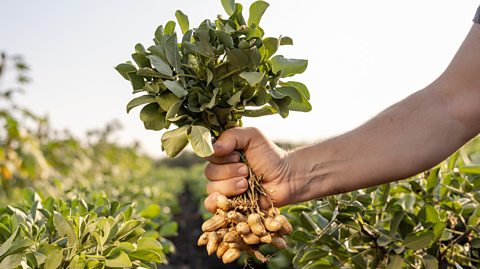
Peanut plants are a little odd, in that they flower above ground but fruit below it. But what does that mean, exactly?
Well, about 40 days after planting, a peanut plant will begin showing delicate yellow blossoms around its bottom third, which will then crumble and die a few days latter. These dead blooms will then reveal budding ovaries known as 'pegs', which then plunge into the soil. These pegs will then develop into pods, each of which will contain a pair of peanuts.
As such, whilst the peanuts themselves grow underground, the peanut plant will also flower above ground.
The whole process, from original planting through to harvest, takes about five months.
As a result of this process, peanuts are often referred to as a ground nut - as opposed to the traditional tree nut, which grows precisely where you'd expect it to.
But in amongst all this, we lose sight of an even bigger question - are peanuts even nuts at all?
4. Are peanuts actually nuts?
Despite what the name would suggest, peanuts aren't actually nuts at all! Not technically, anyway…
Peanuts are actually a legume, sharing the same foodie-family as peas, beans and lentils. Legumes are a group of plants that sit within the Fabaceae family, commonly known as the pea or bean family. The Fabaceae family is the third largest family of plants on the planet, putting peanuts in pretty good company!
Whilst the vast majority of nuts grow on trees (giving them the creative moniker of 'tree nuts'), peanuts grow underground - yet another way they differentiate themselves from the traditional nut.
5. Why are so many people allergic to peanuts?
Peanut and tree nut allergies are amongst the most common food allergies about, with around one in 50 children and one in 200 adults having a nut allergy in the UK.
Scientists aren't sure why peanut allergies are so common, but advise anyone with a peanut allergy to avoid eating peanuts or any products containing them.
Whilst some people do suffer both, peanut allergies and tree nut allergies don't often coalesce due to them actually belonging to different food-families.
The NHS says symptoms of food allergies can include itchy skin, a raised rash, stomach pain and difficulty breathing amongst other symptoms.