|
 |
 | | | | | | |||||||||||||||||||||||||||||||||||||||||||||||||||||||||||||||||||||||||||||||||||||||
| | | You are in: UK: Scotland | |||||||||||||||||||||||||||||||||||||||||||||||||||||||||||||||||||||||||||||||||||||||||
|
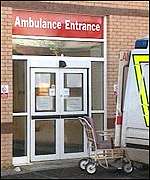
| | Wednesday, 29 January, 2003, 12:08 GMT Doctors tackle meningitis alert  Antibiotics were offered as a precaution Two girls from the same school have been treated for meningitis and more than 700 staff and pupils have been offered antibiotics as a precaution. The youngsters, who attend Kirkcaldy West Primary School in Fife, were discovered to have been suffering from the meningococcal infection and were treated at Victoria Hospital in Kirkcaldy. A nine-year-old was admitted on 22 January and is now doing well at home.
Health officials in Fife have also revealed that three other children, unconnected to the school, have been treated for potentially deadly meningitis. A two-week old baby girl is being treated for a meningococcal eye infection; a 14-year-old boy is in a comfortable condition in hospital, and a two-year-old boy is being treated at home. With two previous cases this year, the total number of cases in Fife now stands at seven, a Fife NHS Board spokesman said. 'No link' There had been no links found between the latest three cases and the two girls at the school. Dr Charles Saunders, consultant in public health medicine at Fife NHS Board said: "There are no links between these three children and the pupils and staff being given antibiotics at Kirkcaldy West Primary School. "This makes a total of seven confirmed cases of meningococcal infection so far this year - we usually get about 20 or so cases a year in Fife, mostly in the winter months."
Meningococcal infection is a rare but potentially serious disease which affects fewer than 200 people a year in Scotland. Dr Saunders added: "The risk of contracting meningococcal infection is extremely small." Symptoms can include fever, vomiting, severe headache, stiff neck, dislike of bright lights, drowsiness and a rash that does not disappear if pressed with a glass tumbler. Young children may refuse food, appear abnormally drowsy or agitated. The infection is spread through prolonged, close contact with an infected person. The incubation period is usually under a week. An NHS helpline has been set up for parents on 0800 783 5066. | | See also:  08 Nov 02 | Scotland 28 Oct 02 | Scotland 28 Oct 02 | Scotland 27 Oct 02 | Scotland 26 Oct 02 | England 23 Sep 02 | Scotland Internet links: The BBC is not responsible for the content of external internet sites Top Scotland stories now: Links to more Scotland stories are at the foot of the page. | |||||||||||||||||||||||||||||||||||||||||||||||||||||||||||||||||||||||||||||||||||||||
 | |
|  E-mail this story to a friend E-mail this story to a friend |
| |
| Links to more Scotland stories |
| | | ||
 | ||||
 | | Back to top
| ||
| ---------------------------------------------------------------------------------- To BBC Sport>> | To BBC Weather>> | To BBC World Service>> ---------------------------------------------------------------------------------- © MMIII | News Sources | Privacy |