|
 |
 | | | | | | |||||||||||||||||||||||||||||||||||||||||||||||||||||||||||||||||||||||||||||||||||||||||||||||||||||||||||||||||||||
| | | You are in: UK: Scotland | |||||||||||||||||||||||||||||||||||||||||||||||||||||||||||||||||||||||||||||||||||||||||||||||||||||||||||||||||||||||
|
| | Tuesday, 27 August, 2002, 19:56 GMT 20:56 UK Plug pulled on water plant plans 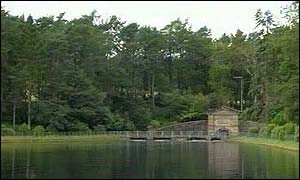 Scottish Water says the existing reservoir cannot cope Plans for a new treatment plant at a reservoir which was at the centre of a tap water contamination scare have been thrown out by the local authority. Councillors in East Dunbartonshire rejected proposals for a controversial new �100m water treatment plant at Mugdock reservoir near Milngavie. The reservoir, which serves Glasgow and Clydebank, was at the centre of a health scare earlier this month when high levels of the parasite cryptosporidium were found in the water. However, the planning committee decided by nine votes to seven to reject a motion to build the chemical works, despite the plans being approved by the council's own officials.
They said the proposal for a new water filtration plant did not meet environmental conditions and it also failed to take account of the reservoir's importance as a tourist attraction. Scottish Water, which proposed the �100m Katrine Water project, said it was "extremely disappointed" by the decision, adding it was considering an appeal. It said that the project was a cornerstone of plans to bring Glasgow's antiquated water supply up to European standard by the end of 2005. The new plant would see water passing through filtration beds designed to remove harmful organisms such as cryptosporidium. However, more than 1,000 objections were lodged by local residents in Milngavie when the plans were first put forward. They claimed that the works would be an eyesore. Incident control team Questions were also raised by a consultant's report which claimed that the system proposed for Mugdock was the "least robust" for tackling the problem of contamination. However, Scottish Water insists that the new plant would be effective. A spokesman for the Scottish Executive said that Scottish Water has the right of appeal against the decision. It has two months in which to lodge an appeal to the planning minister Margaret Curran Slight fever The appeals process usually takes nine to 12 months. The supply from Mugdock only received the all-clear last week - more than two weeks after the alert which affected about 150,000 households in the Glasgow area. Scottish Water was given approval to resume using mains water after an incident control team found that levels of cryptosporidium had fallen. The parasite can cause diarrhoea, sickness, stomach cramps and a slight fever. | |
See also:  07 Aug 02 | Scotland 06 Aug 02 | Scotland 05 Aug 02 | Scotland 05 Aug 02 | Scotland 05 Aug 02 | Scotland 04 Aug 02 | Scotland Internet links: The BBC is not responsible for the content of external internet sites Top Scotland stories now: Links to more Scotland stories are at the foot of the page. | |||||||||||||||||||||||||||||||||||||||||||||||||||||||||||||||||||||||||||||||||||||||||||||||||||||||||||||||||||||
| |
|  E-mail this story to a friend E-mail this story to a friend |
| |
| Links to more Scotland stories |
| | | ||
 | ||||
 | | Back to top
| ||
| ---------------------------------------------------------------------------------- To BBC Sport>> | To BBC Weather>> | To BBC World Service>> ---------------------------------------------------------------------------------- © MMIII | News Sources | Privacy |