|
 |
 | | | | | | ||||||||||||||||||||||||||||||||||||||||||||||||||||||||||||||||||||||||||||||||||||||||||||||||||||||||||||
| | | You are in: UK: Politics | ||||||||||||||||||||||||||||||||||||||||||||||||||||||||||||||||||||||||||||||||||||||||||||||||||||||||||||||
|
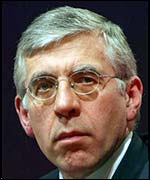
| | Thursday, 19 December, 2002, 13:17 GMT War 'could boost al-Qaeda', MPs warn  The MPs say the UK is right to put pressure on Iraq A war on Iraq could lead to hundreds more recruits for terror groups like al-Qaeda, an influential group of MPs has warned. In a report on the war against terrorism, the foreign affairs committee warns the government that the threat of military action creating instability across the Islamic world must be taken seriously. The cross-party group also says a new United Nations resolution should be agreed before the onset of any military action.
The report also warns that justifying action against Iraq as "pre-emptive self defence" could seem to legitimise "the aggressive use of force by other, less law-abiding states." The committee commends the government's decision to focus on Saddam Hussein's violations of UN Security Council resolutions. But it says that if it becomes clear that Iraq is defying the latest resolution, the UK Government should "do its utmost to ensure the adoption of a further Security Council resolution authorising the use of 'all necessary means' to enforce Iraqi disarmament". The US has said that failure to agree a new resolution would not stand in the way of military action. Foreign Secretary Jack Straw told the committee that the UK would prefer to see a new resolution agreed if Saddam fails to comply with UN demands. 'Unconcerned' But he said the government "must reserve" its position should there be no further resolution.
It echoes warnings issued on Wednesday that Osama bin Laden's al-Qaeda network poses a "grave threat" to the UK and its interests around the world. And it says Mr Straw appeared "surprisingly unconcerned" about the potential reaction to a action against Iraq. The report says: "We do not share Mr Straw's confidence that, in the event of military action against Iraq, the US and UK would be able to justify such action to the satisfaction of the 'Arab street'." Trigger It accepts that the case for forcing Iraqi disarmament may seem reasonable to many people in the UK.
"We recommend that the government treat seriously the possibility that a war with Iraq could trigger instability in the Arab and Islamic world, and could increase the pool of recruits for al-Qaeda and associated terrorist organisations there and in Western Europe," the report says. Mr Anderson told a news conference that peace efforts in the Middle East should be stepped up as part of attempts to avoid such a reaction. He said: "Unless something serious is one in terms of Israel and the Palestinians there is a very serious danger that the pool of recruitment (for terrorist groups) will increase." He said Mr Straw's remark that Iraq's response to the UN's questions over its weapons programme contained "obvious falsehoods" was "unhelpful". The MPs say there is "compelling" evidence of Iraq's development of weapons of mass destruction and warn that failing to address the threat would pose "very high risks" to UK interests in the Middle East. They add: "Given Saddam's record of human rights abuses, he would not hesitate to use torture and weapons of mass destruction against foreign troops and civilians if he believed that this would benefit his regime." 'Tactical' The report calls on the government to clarify its policy on what it calls "targeted killings", saying an attack by a CIA-operated aerial drone, which killed six people in Yemen in November, raised legal questions about the US' approach to the war on terror. It says the attack was described by the US as a "successful tactical operation" and contrasts that with the US condemnation of the Israeli policy of "extra-judicial killings of Palestinian terrorist suspects". In a statement, Mr Straw said the report was "a serious contribution to debate about counter-terrorism policy". He added: "The committee and we share many of the same conclusions. In particular, we share the view that failure to address the threat from Iraq's weapons of mass destruction could pose very high risks to the security of British interests in the Middle East and Gulf region." | |
See also:  19 Dec 02 | Politics 19 Dec 02 | Politics 19 Dec 02 | Politics 19 Dec 02 | Politics Internet links: The BBC is not responsible for the content of external internet sites | ||||||||||||||||||||||||||||||||||||||||||||||||||||||||||||||||||||||||||||||||||||||||||||||||||||||||||||
 | |
|  E-mail this story to a friend E-mail this story to a friend |
| |
|
| | | ||
 | ||||
 | | Back to top
| ||
| ---------------------------------------------------------------------------------- To BBC Sport>> | To BBC Weather>> | To BBC World Service>> ---------------------------------------------------------------------------------- © MMIII | News Sources | Privacy |




 We recommend that the government treat seriously the possibility that a war with Iraq could trigger instability in the Arab and Islamic world