|
 |
 | | | | | | ||||||||||||||||||||||||||||||||||||||||||||||||||||||||||||||||||||||||||||||||||||||||||||||||||||
| | | You are in: UK: Politics | ||||||||||||||||||||||||||||||||||||||||||||||||||||||||||||||||||||||||||||||||||||||||||||||||||||||
|
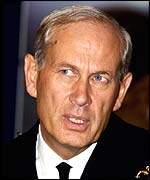
| | Thursday, 19 December, 2002, 07:32 GMT 'Terror battle may last for decades'  Troops will be kept fully busy fighting terror, says Boyce The war against terrorism could last for decades and the threat may never be stamped out completely, the UK's most senior military chief has warned. In his last annual lecture as chief of the defence staff, Admiral Sir Michael Boyce compared the struggle to the Cold War and the 19th century campaign against the slave trade.
The campaign against international terrorism also meant the symptoms of the problem had to be tackled - putting new pressures on military leaders, argued the admiral. "The military effect we achieve must be increasingly precise, if we are not to derail such progress as we have made on the other strands of non-military activity," he said. Lasting challenge In the speech to the Royal United Services Institute in London, Admiral Boyce said the UK could never relax its guard. "In a way we have endured this sort of change before, not only in the Cold War in terms of the immediacy of the threat, but in terms of its duration," he continued.
"It is highly unlikely that we can eradicate terrorism altogether. "The challenge is more to eradicate it as a force for strategic effect." Much the same could be said for tackling the problem of weapons of mass destruction (WMD), said Admiral Boyce. Busy programme The defence chief recently embarrassed Defence Secretary Geoff Hoon when he suggested the armed forces were overstretched during the firefighters' strike. He did not refer to that problem directly in his latest speech. But he said: "We should remember that the military contribution to the global war against terrorism, WMD and drugs is enough to keep the armed forces fully occupied for a long time to come." Despite that warning, Admiral Boyce highlighted the UK's aim of being a "force for good in the world". 'Toughing out criticism' The speed of the UK's political and military response meant it could get leadership of missions from an early stage. "It gives us serious regional leverage; in national terms it supports UK's international investments; and it gives psychological support to our eight million or so expatriates abroad," he said. The admiral said the UK's aim of being "early in, early out" in operations had led to accusations of "grandstanding". Defending that policy, he said: "'Early in, stabilise/make a difference, early out' is our desired strategy and that is what we have largely tried to do." That had succeeded in Macedonia, however, "so we will have to tough out any carping at us, decide what causes we espouse; and then we will have to be consistent." | |
See also:  18 Dec 02 | Politics 26 Nov 02 | Politics 11 Nov 02 | Politics 20 Jun 02 | Politics 27 Nov 02 | Politics 18 Dec 02 | Americas 18 Dec 02 | Politics 18 Dec 02 | Politics Internet links: The BBC is not responsible for the content of external internet sites | ||||||||||||||||||||||||||||||||||||||||||||||||||||||||||||||||||||||||||||||||||||||||||||||||||||
 | |
|  E-mail this story to a friend E-mail this story to a friend |
| |
|
| | | ||
 | ||||
 | | Back to top
| ||
| ---------------------------------------------------------------------------------- To BBC Sport>> | To BBC Weather>> | To BBC World Service>> ---------------------------------------------------------------------------------- © MMIII | News Sources | Privacy |




 It is highly unlikely that we can eradicate terrorism altogether