|
 |
 | | | | | | ||||||||||||||||||||||||||||||||||||||||||||||||||||||||||||||||||||||||||||||||||||||||||||||||||||||||||||||||||||||||||||||||||||||||||||
| | | You are in: UK: Politics | ||||||||||||||||||||||||||||||||||||||||||||||||||||||||||||||||||||||||||||||||||||||||||||||||||||||||||||||||||||||||||||||||||||||||||||||
|
| | Monday, 11 November, 2002, 21:38 GMT Why terror threat has deepened 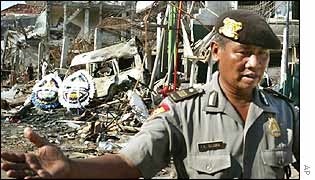 As Bali discovered, nowhere in the world is safe
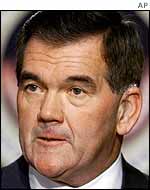
No day passes, it seems, without some new dire warning about al-Qaeda and the threat of terrorism. "They're coming after us," says the CIA's George Tenet. "They're preparing to mount a major attack, perhaps on several countries at once," says Interpol's Ronald Noble. In the last few days the British Home Secretary David Blunkett has added his own warning. US influence He says Britain is in the front line for any terrorist attack, because of its support for America. The Prime Minister, Tony Blair, in a speech on Monday night, asked Britons to stay vigilant but not to let the threat of terrorism take over their lives. So what has prompted this flurry of warnings and how real is the threat? In Britain's case, the timing was connected more to the UK visit of Tom Ridge, the US Director of Homeland Security, than anything else.
He spent part of last week closeted with British security chiefs, listening to their advice on how they dealt with previous threats from the IRA. He also gave a major speech in London on 7 November in which he outlined US strategy for confronting terror. He reminded his audience that terrorists were working to acquire chemical, biological, radiological and nuclear weapons and al-Qaeda remained the principal threat. With a bit of pushing, western intelligence officials admitted they have not actually identified a specific plot to attack Britain. Their warnings were based more on analysis than on hard data. Intelligence But over the summer the volume of intelligence coming in about al-Qaeda and its network of sympathisers and supporters has been steadily growing. Some of it is based on electronic eavesdropping by organisations like GCHQ that can secretly intercept telephone calls, faxes and e-mails. Other information comes from the interrogations of al-Qaeda suspects like Ramzi Bin Al-Shaybah who was seized by Pakistani police in September and handed over almost immediately to US agents. Trained to resist and mislead their captors, the more senior members of al-Qaeda in detention have not always proved co-operative. But what they are telling their interrogators is rattling them. Bali bombing They talk of multiple plots conceived months ago, of sleeper cells concealed in western capitals, of diabolical weapons that will supposedly wreak havoc on the West. It could be partly bluff. Al-Qaeda has been known to issue grandiose statements in the past. Its warnings to Muslims after 11 September 2001 not to live in tall buildings have so far come to nothing. But after last month's Bali bombing, no one is shrugging off the risk. Al-Qaeda is clearly still bent on attacking the West in whatever way it can, and when the opportunity comes it will strike without warning. The challenge for western security is to stop rumour becoming a reality. | |
Internet links:  The BBC is not responsible for the content of external internet sites | ||||||||||||||||||||||||||||||||||||||||||||||||||||||||||||||||||||||||||||||||||||||||||||||||||||||||||||||||||||||||||||||||||||||||||||
| |
|  E-mail this story to a friend E-mail this story to a friend |
| |
|
| | | ||
 | ||||
 | | Back to top
| ||
| ---------------------------------------------------------------------------------- To BBC Sport>> | To BBC Weather>> | To BBC World Service>> ---------------------------------------------------------------------------------- © MMIII | News Sources | Privacy |