|
 |
 | | | | | | ||||||||||||||||||||||||||||||||||||||||||||||||||||||||||||||||||||||||||||||||||||||||||||||||||||||||||||||||||||||||||||||||||||||||||||
| | | You are in: UK: Politics | ||||||||||||||||||||||||||||||||||||||||||||||||||||||||||||||||||||||||||||||||||||||||||||||||||||||||||||||||||||||||||||||||||||||||||||||
|
| | Wednesday, 18 December, 2002, 20:36 GMT UK 'likely to face terrorist attack'  Security officials are keen to keep ahead of the game There is a "high probability" that international terrorists will sooner or later launch an attack on the UK, according to a senior Whitehall source. The warning issued at a briefing for reporters is the first time the government has spelled out the chances of the UK being targeted by terror groups.
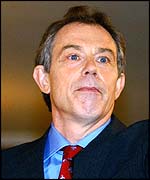
Later, Prime Minister Tony Blair said the threat posed by al-Qaeda terror group was "real and serious". The government source confirmed that "small numbers" of al-Qaeda terrorists were operating in the UK. An attack was "not inevitable" but such groups were extremely determined. Long haul The source was not talking about any specific information which would prompt a general alert or a specific warning and explained that the threat to the UK had not changed over recent months.
The source said: "Al-Qaeda itself may in the next few years transform itself into something else, but the ideas behind it won't go away. "My prediction is that we are in for a long haul. "We cannot be optimistic that the short-term war on terror is going to remove them in the next couple of years. "The sensible precaution for the nation is a sustained campaign to improve our national resilience." Complacency fears Over the next five years, officials believe the group may acquire chemical or biological weapons - something it is not believed to have at present. The source said: "My fear is that terrorists' capability will grow. In a few years our assessments will change." Use of "good, old-fashioned explosive" was more likely, however, than chemical or nuclear attempts, he said. "I am anxious that we don't rush off to the most extreme scenarios and leave the public forgetting the most obvious things, such as a vehicle or plastic bag full of explosive left in a public place." Counter-terrorist success Now the government is planning a long-term strategy to counter those threats, including establishing contamination units and developing evacuation procedures and ways of clearing rubble. Officials say they want to make sure they are "ahead of the game". The government is set to offer vaccination against smallpox to key health and military staff. In the Commons on Wednesday, Tony Blair again stressed there was barely a day when there were not new intelligence reports of threats against UK interests. But the government had to strike the right balance when sifting through and deciding what information to release. Mr Blair said there had been "significant successes" in damaging al-Qaeda and thwarting some attacks. But he continued: "The terrorist threat against the UK and against UK interests remains real and it remains serious." Last month a Home Office warning about a possible chemical or nuclear terrorist attack on the UK using a "dirty bomb" or poison gas was withdrawn after being released in error. Smallpox jabs Conservative defence spokesman Julian Lewis suggested that decision was wrong because the British people needed to be told what they had to expect. Mr Blair disagreed, arguing that reports of possible poison gas attacks on London's Underground when there had been no specific threat had caused "unnecessary concern". At prime minister's questions, Mr Blair also repeated his stance that a mass vaccination was not warranted. That policy followed World Health Organisation guidelines, he said. "We do not know of any specific threat to that end," added Mr Blair. | |
See also:  18 Dec 02 | Politics 26 Nov 02 | Politics 11 Nov 02 | Politics 20 Jun 02 | Politics 27 Nov 02 | Politics 18 Dec 02 | Americas 18 Dec 02 | Politics Internet links: The BBC is not responsible for the content of external internet sites | ||||||||||||||||||||||||||||||||||||||||||||||||||||||||||||||||||||||||||||||||||||||||||||||||||||||||||||||||||||||||||||||||||||||||||||
 | |
|  E-mail this story to a friend E-mail this story to a friend |
| |
|
| | | ||
 | ||||
 | | Back to top
| ||
| ---------------------------------------------------------------------------------- To BBC Sport>> | To BBC Weather>> | To BBC World Service>> ---------------------------------------------------------------------------------- © MMIII | News Sources | Privacy |




 My fear is that terrorists' capability will grow