|
 |
 | | | | | | ||||||||||||||||||||||||||||||||||||||||||||||||||||||||||||||||||||||||||||||||||||||||||||||||||||||||||||||||||||||||||||||||||||||||||||||||||||||||||||||||||||||||||||||||
| | | You are in: South Asia | ||||||||||||||||||||||||||||||||||||||||||||||||||||||||||||||||||||||||||||||||||||||||||||||||||||||||||||||||||||||||||||||||||||||||||||||||||||||||||||||||||||||||||||||||||
|
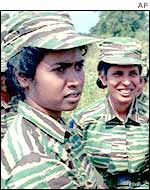
| | Thursday, 2 January, 2003, 19:15 GMT Tamil Tigers mount radio offensive  Rebel broadcasts have been limited to the north Tamil rebels in Sri Lanka plan to extend their radio broadcasts into government-controlled regions for the first time since the war began.
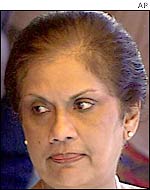
A pro-rebel website says the Tigers will start broadcasting programmes into regions outside their control from 16 January. The extension of transmissions follows the controversial import of a new, advanced, FM transmitter through the Norwegian embassy in October. The embassy's use of diplomatic privilege in importing the equipment angered President Chandrika Kumaratunga, who strongly protested to the Norwegian prime minister in writing. The Liberation Tigers of Tamil Eelam (LTTE) broadcast Tamil and Sinhala programmes from their stronghold in the north, but these only reach areas under their control. Publicity coup A notice on the tamilnet.com website says the LTTE will "increase its broadcast time and distance", using the 98 FM frequency.
This has become possible now that the LTTE has the new five-kilowatt transmitter. The rebels have an extensive network of media operations abroad, with radio and television channels in Paris, and a newspaper published in London. In addition, several radio stations broadcasting programmes for diaspora Tamil communities in Australia and Canada are believed to be sympathetic to the Tigers. Since the current ceasefire began in February last year, the Tigers have been publishing a Sinhala newspaper in Sri Lanka. But reaching the majority community in their own language using high-quality radio programmes would be a publicity coup. Muslim demands Correspondents say the Tigers have realised the importance of gaining Sinhalese support for a peaceful resolution of the two-decade civil war. Developing a sympathetic audience among the majority community is thought to be crucial to the LTTE's plans to transform itself into a political, rather than military, organisation. Meanwhile, as the government and the rebels prepare for the fourth round of talks starting on Monday, a Muslim leader has demanded a greater role in the peace talks. Minister Rauff Hakeem, a member of the official delegation, says Muslims were promised "independent representation" during talks on "substantive issues", and this must now be given. | |
See also:  01 Jan 03 | South Asia 30 Dec 02 | South Asia 26 Dec 02 | South Asia 05 Dec 02 | South Asia 31 Oct 02 | South Asia 16 Sep 02 | South Asia Internet links: The BBC is not responsible for the content of external internet sites Top South Asia stories now: Links to more South Asia stories are at the foot of the page. | ||||||||||||||||||||||||||||||||||||||||||||||||||||||||||||||||||||||||||||||||||||||||||||||||||||||||||||||||||||||||||||||||||||||||||||||||||||||||||||||||||||||||||||||||
 | |
|  E-mail this story to a friend E-mail this story to a friend |
| |
| Links to more South Asia stories |
| | | ||
 | ||||
 | | Back to top
| ||
| ---------------------------------------------------------------------------------- To BBC Sport>> | To BBC Weather>> | To BBC World Service>> ---------------------------------------------------------------------------------- © MMIII | News Sources | Privacy |